Spread the news
New Delhi, July 12
The government-appointed committee has recommended that the Punjabi film Satluj should remain unavailable on online streaming platforms in India, according to government sources, saying its public exhibition could affect the country’s sovereignty and integrity.
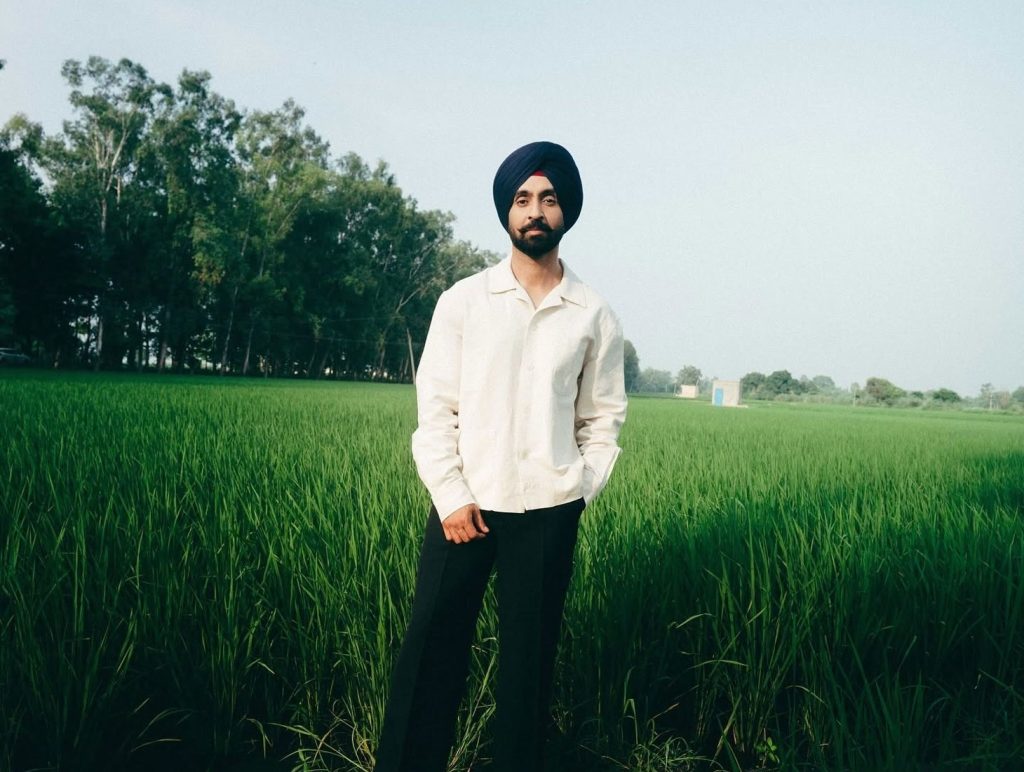
The film directed by Honey Trehan and starring Diljit Dosanjh tells the story of human rights activist Jaswant Singh Khalra who documented the cremation of thousands of unidentified bodies in Punjab between 1984 and 1994. Khalra was abducted and killed in 1995 and his work remains a significant and sensitive chapter in Punjab’s modern history.
Satluj was released on the streaming platform ZEE5 on 3 July but was withdrawn for viewers in India two days later after the Ministry of Information and Broadcasting cited security concerns.
Following the removal, the ministry constituted an Inter-Departmental Committee under the Information Technology Rules, 2021, to review the film and recommend whether the restrictions should continue.
According to government sources, the committee concluded that the decision to block the film under Section 69A of the Information Technology Act was justified. The provision allows the government to restrict online content on grounds including the sovereignty and integrity of India, national security, public order and relations with foreign states.
Sources said the committee found the film’s portrayal of Punjab’s militancy period to be “unbalanced”, alleging that it downplayed the actions of militants while placing greater emphasis on alleged excesses by security forces.
The committee includes representatives from several central ministries, including information and broadcasting, home affairs, electronics and information technology, defence, external affairs, law and justice, and women and child development.
The decision has sparked political and public debate in Punjab. The Shiromani Gurdwara Parbandhak Committee (SGPC) has called for the restrictions to be lifted, arguing that audiences should be allowed to watch the film. The Shiromani Akali Dal has also announced plans to organise public screenings across the state.








 The North News