








 The North News
Chandigarh, July 3
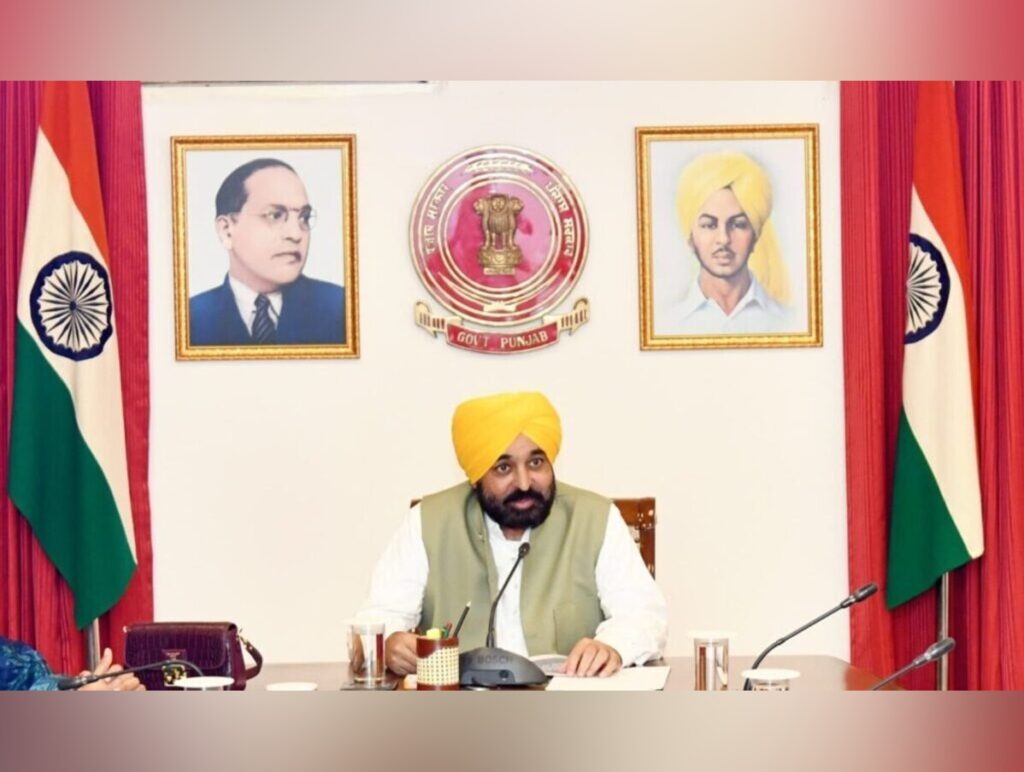
Thousands of families living in unauthorised colonies across Punjab could soon find it easier to secure legal recognition for their homes after the state government approved new rules to simplify the regularisation process. The decision was taken at a meeting of the Punjab Cabinet chaired by Chief Minister Bhagwant Singh Mann. The government has amended Rule 31 of the Punjab Apartment and Property Regulation (PAPR) Rules, allowing more unauthorised colonies to qualify for regularisation.
Under the revised rules, colonies where at least 25% of plots have already been developed with buildings will now be eligible to apply. Applications can be submitted either by the colony’s promoter or its Resident Welfare Association (RWA). The changes also extend to eligible colonies located within notified Local Planning Areas and on agricultural land identified under Master Plans, except those covered by the Greater Mohali Area Development Authority (GMADA) Regional Plan.
The Punjab government has set 30 September 2026 as the deadline for submitting applications. Colonies whose applications were rejected under previous regularisation schemes will also get another opportunity to apply.
Officials said complete applications will receive a provisional regularisation certificate within 30 days, while all applications must be decided within six months.
The government has also outlined the fees for regularisation. Residential and industrial colonies will pay a compounding fee equal to 5% of the prevailing collector rate on the colony’s total area, while commercial colonies will be charged 10% of the applicable commercial collector rate.
Once a provisional certificate is issued and the required fee is paid, individual plot owners will be able to obtain regularisation certificates for their properties, seek building approvals under existing rules and register their plots.
Where an RWA files the application, the provisions of the Real Estate (Regulation and Development) Act (RERA) will not apply. However, the promoter or the RWA will remain responsible for securing the necessary approvals, obtaining no-objection certificates and completing any pending development work within the prescribed timeline.
Cabinet Minister Harpal Singh Cheema said the move was intended to provide relief to residents who have been waiting for legal recognition of their colonies. He said the revised policy would also allow previously rejected colonies to apply again under the amended rules before the September 2026 deadline.
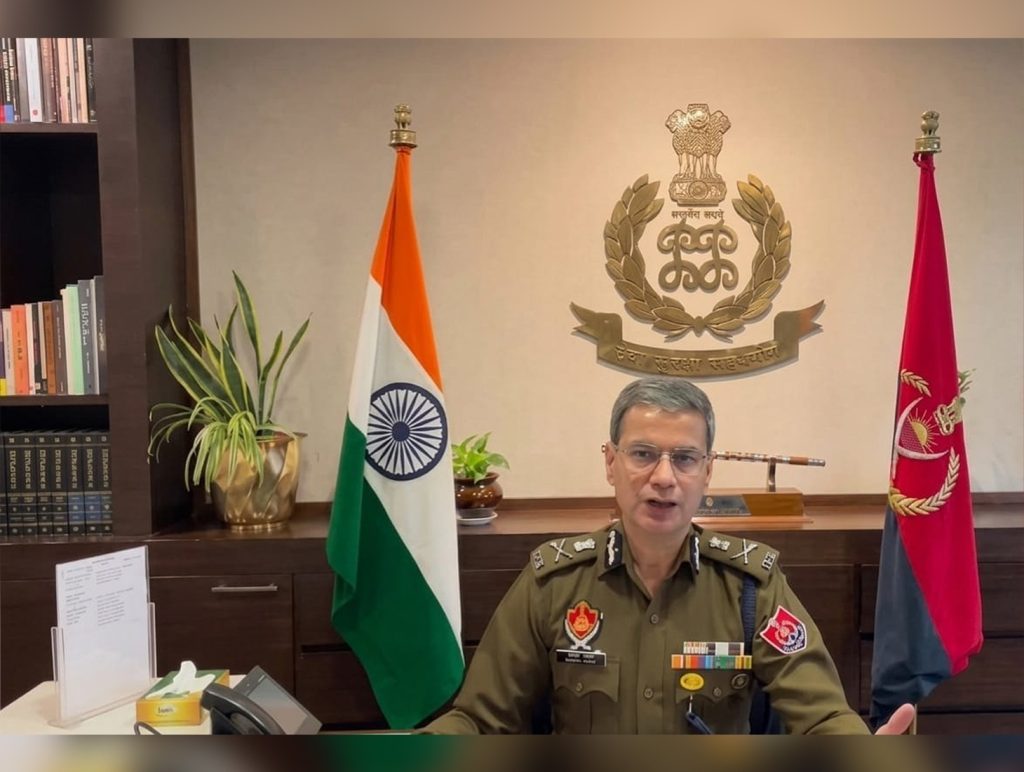
Chandigarh/Amritsar: Punjab Police have arrested six people in two cases involving an alleged Pakistan ISI-backed…
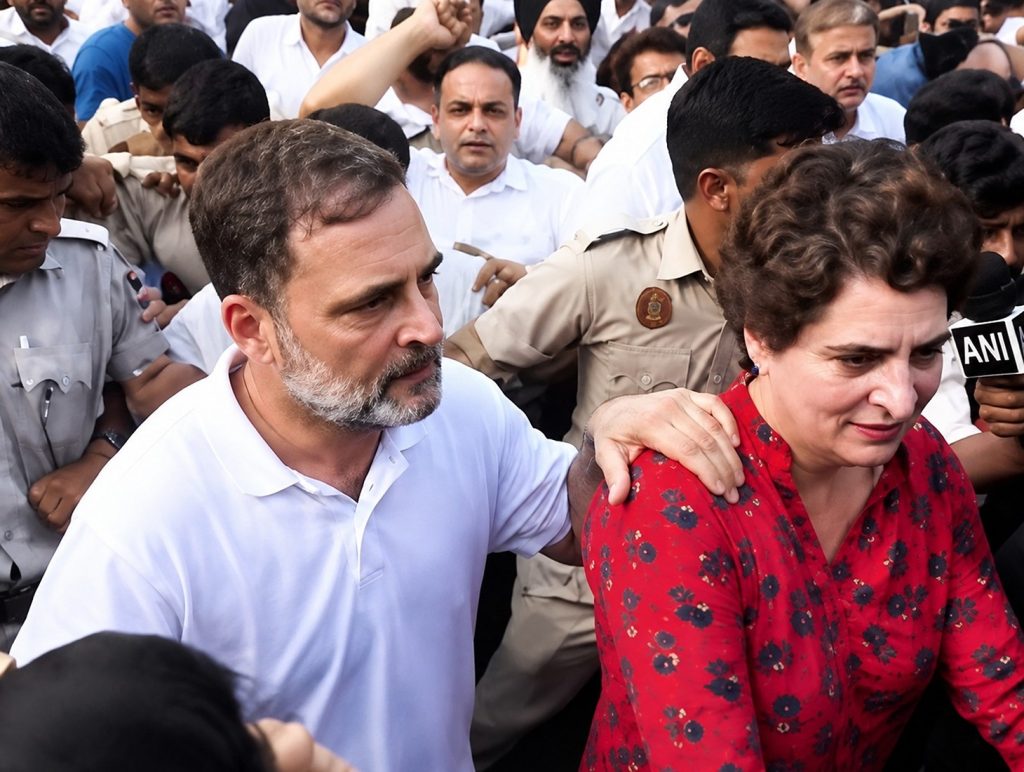
New Delhi: Hundreds of protesters joined Congress leaders Rahul Gandhi and Priyanka Gandhi Vadra and…
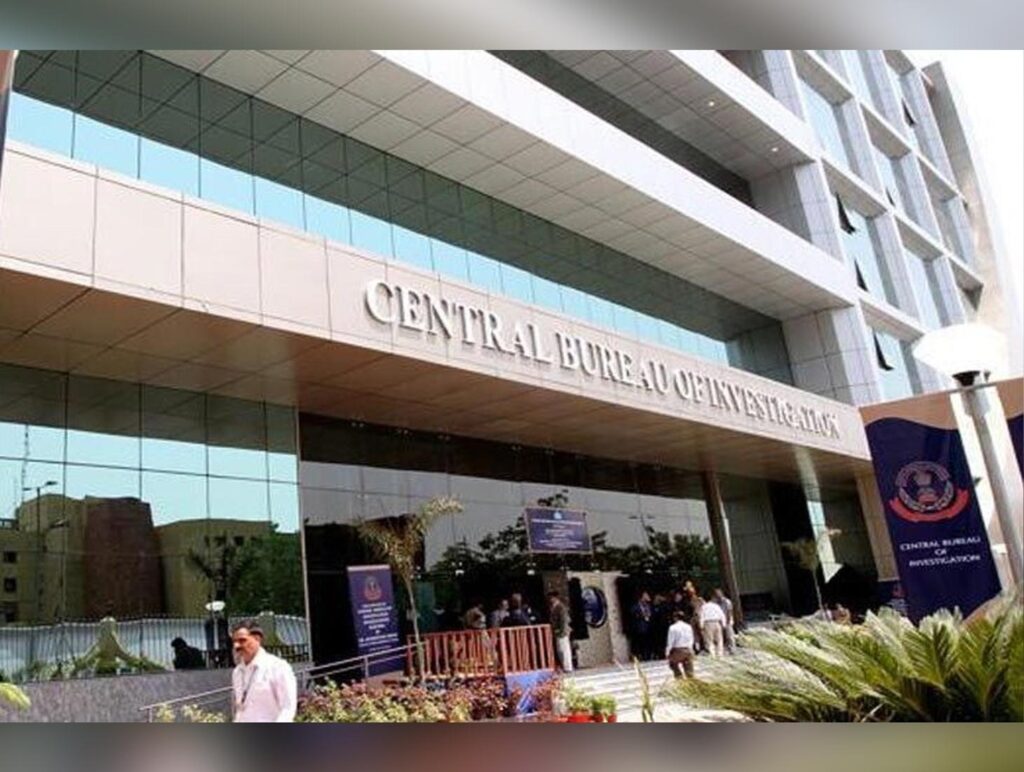
Chandigarh: The Central Bureau of Investigation has registered a corruption case against Punjab Chief Minister…

New Delhi: Congress leader and Leader of Opposition in the Lok Sabha Rahul Gandhi, Priyanka…