








 Dr Kiran Deep
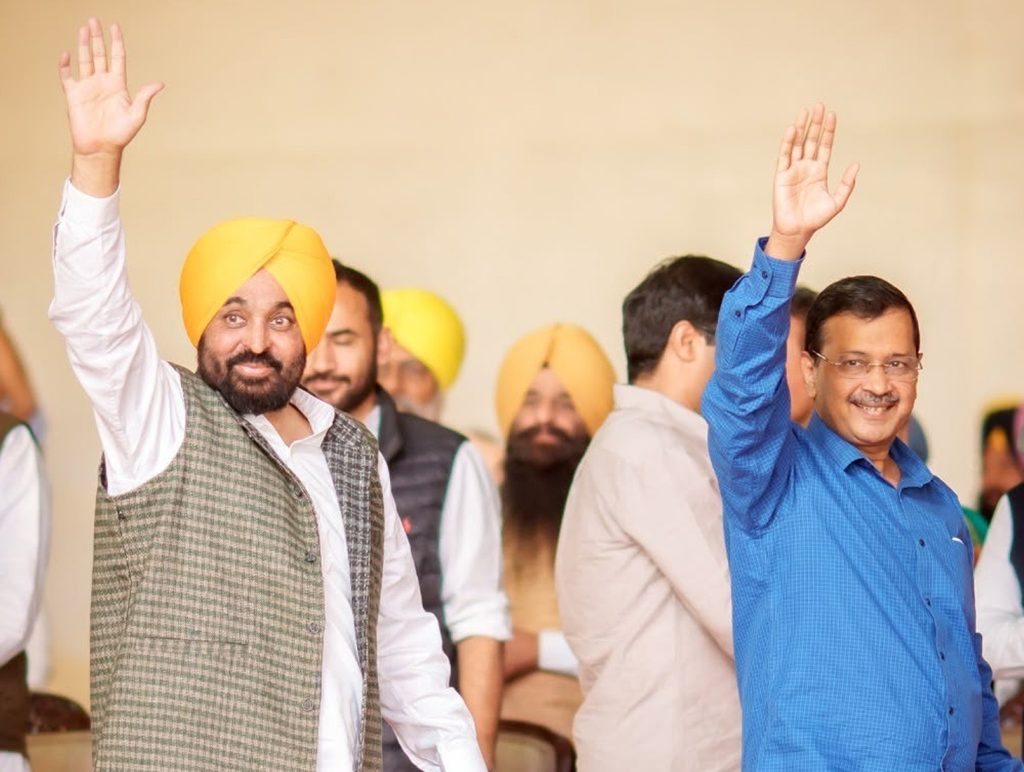
The Aam Aadmi Party’s (AAP) Khushhaal Punjab Rally in Moga on Thursday offered a glimpse into the central theme of its campaign for the 2027 Punjab Assembly elections, the welfare schemes launched by its government. Both Chief Minister Bhagwant Mann and party national convener Arvind Kejriwal sought to turn the government’s welfare initiatives into its principal electoral pitch, urging voters to give AAP another mandate to continue the schemes.
The political message from the rally was clear. AAP wants the 2027 election to be fought largely around what it claims to have delivered during its five years in power, rather than allowing the opposition to make governance failures the dominant electoral narrative.
Addressing the gathering at Nathu village in Moga on the party’s 15th Foundation Day Kejriwal reminded people of the guarantees made during the 2022 Assembly elections. He credited Bhagwant Mann with fulfilling those promises and urged voters to give the Chief Minister another opportunity to lead the state.
Free electricity, the proposed ‘Mawan Dhiyan Satkar Yojana’ providing financial assistance to women, health insurance coverage of Rs 10 lakh, pilgrimage facilities and government employment featured prominently in his address. Kejriwal also cited the recruitment of more than 70,000 people into government jobs, claiming that appointments had been made on merit without bribes.
His appeal to women was particularly significant. He asked them to persuade their fathers, husbands, sons and other family members to vote for AAP, arguing that the opposition parties had not offered comparable direct financial assistance and welfare benefits. He also assured voters that the existing schemes would continue if Bhagwant Mann returned to power.
Kejriwal’s warning that a change in government could put these initiatives at risk was an important part of the campaign message. By linking the continuation of welfare benefits with another term for Mann, AAP is attempting to make the election a referendum on the future of its schemes.
However, the growing prominence of welfare politics also marks a significant shift in Punjab’s electoral discourse. Welfare schemes are no longer an issue that opposition parties can easily dismiss or campaign against. In fact, opposition parties have already indicated that they would continue the welfare programmes introduced by the AAP government if voted to power.
This does not mean that welfare politics has replaced all other election issues. Rather, it has become one of the defining themes around which parties are likely to frame their campaigns.
The opposition parties, including the SAD-BJP alliance and the Congress, are focusing on pressing concerns such as drug abuse, gangster culture, law and order, corruption and Punjab’s economic condition. These are issues that cannot be pushed aside simply by highlighting welfare announcements. Voters will ultimately assess not only what they receive from the government but also whether the state has made progress in tackling its longstanding problems.
Chief Minister Mann used the Moga rally to directly attack the proposed BJP-SAD alliance ahead of the 2027 elections. Questioning the political understanding between the two parties he reminded voters of their previous disagreements particularly over the three controversial farm laws.
He pointed out that the SAD had initially supported the legislation before withdrawing from the BJP-led alliance when the farmers’ agitation intensified. Mann also referred to the nearly year-long farmers’ protest and the deaths of around 700 farmers, questioning how the former allies could now come together after their bitter differences.
His attack extended to issues concerning Chandigarh, Punjab’s water, the Bhakra Beas Management Board and Sikh religious institutions. He accused the BJP and SAD of taking contradictory positions on matters concerning Punjab’s interests and alleged that their renewed alliance was driven by electoral calculations. These were political allegations made by the Chief Minister, which the parties concerned would have an opportunity to counter.
The BJP-SAD reunion has nevertheless provided AAP with an opportunity to revisit the political history of the two parties and question their credibility on issues concerning farmers and Punjab. Mann’s reference to their earlier differences was aimed at highlighting the contrast between their past political positions and their present electoral understanding.
Yet, the AAP government cannot rely entirely on the political contradictions of its opponents. Its own record on drugs, law and order, corruption, employment and economic development will also come under scrutiny as the election campaign gathers momentum.
The Moga rally therefore highlighted two parallel political narratives taking shape in Punjab. AAP is seeking another mandate on the strength of its welfare initiatives and the promise of continuity, while the opposition is highlighting governance-related concerns, including drugs, law and order and corruption, central to its challenge.
Ultimately, the 2027 contest may revolve around a broader question whether welfare delivery and direct benefits will dominate voters’ assessment of the government, or whether concerns about employment, drugs, security, corruption and the state’s financial health will carry equal weight.
For now, AAP has made its campaign theme evident. It wants voters to judge the Mann government by the schemes it says it has delivered. But as the election approaches, the government will also have to answer questions about the problems that Punjab continues to face.
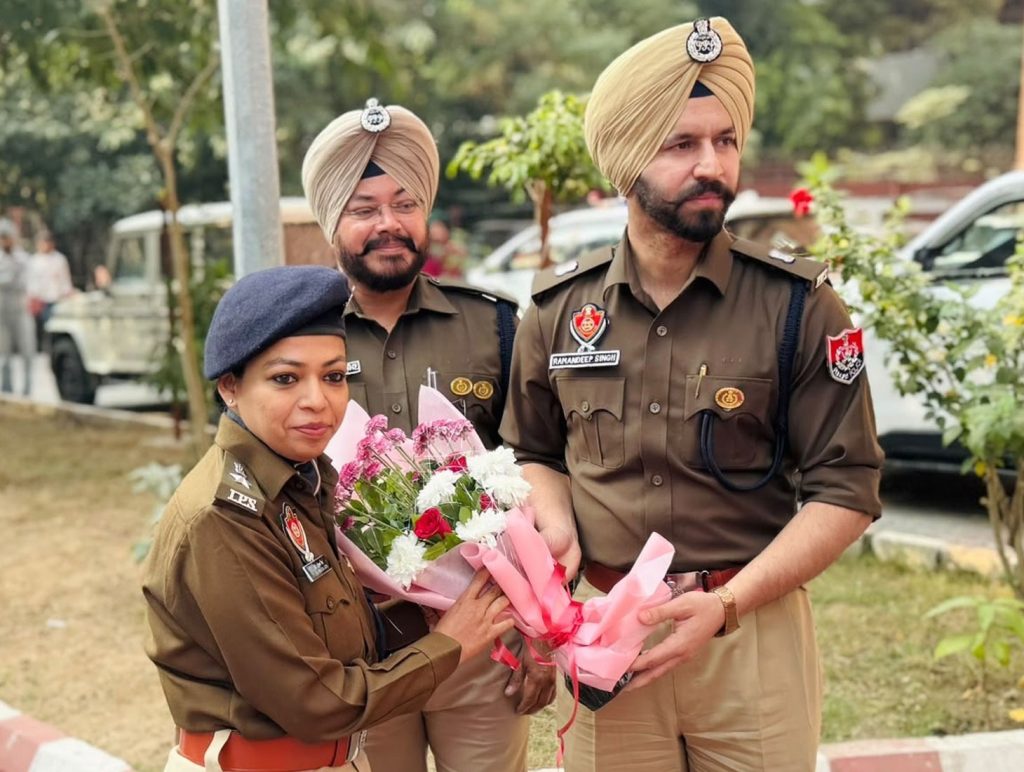
Dr Pragya Jain, a 2017-batch IPS officer, on Thursday took charge as Senior Superintendent of…
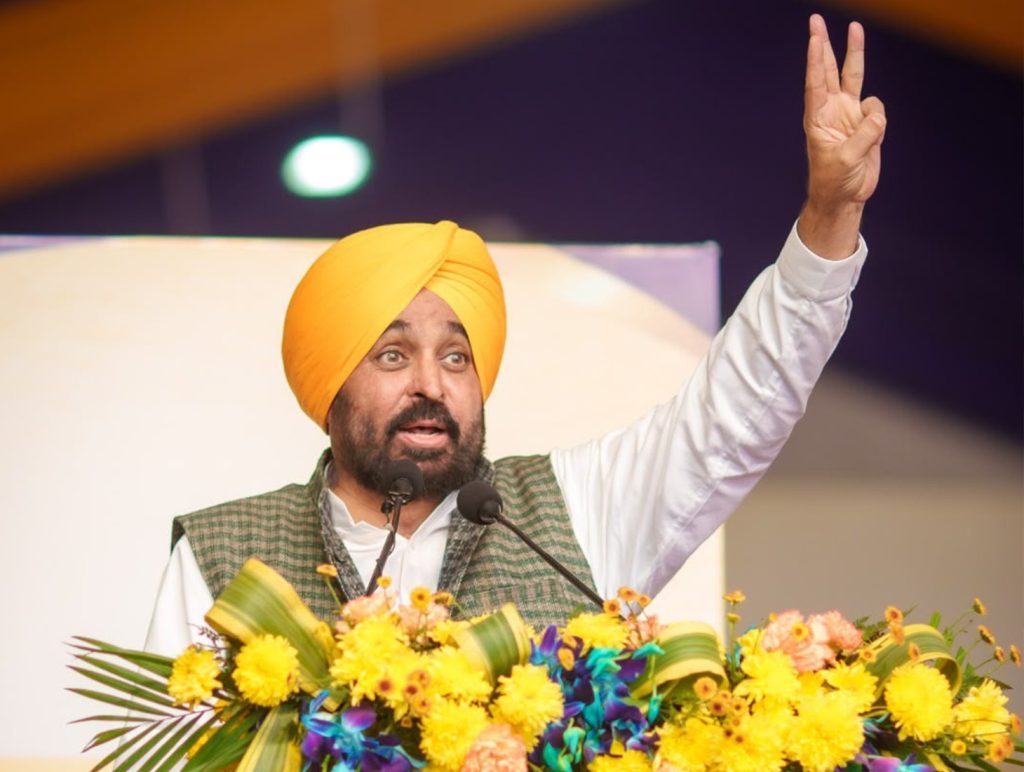
Punjab Chief Minister Bhagwant Mann on Thursday launched the Smart Ration Card Scheme, aimed at…
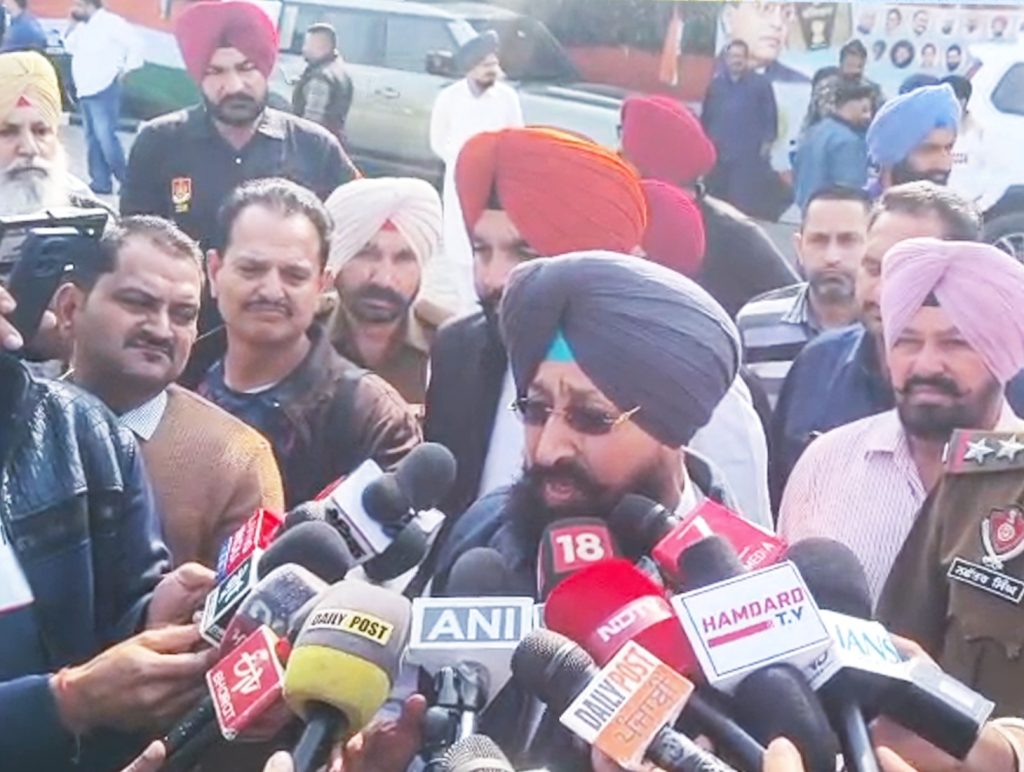
Punjab Congress president Pargat Singh and Leader of Opposition Pratap Singh Bajwa on Thursday targeted…
Congress MLA Sukhpal Singh Khaira on Thursday criticised the Shiromani Akali Dal (SAD) over its…