






 The North News
Chandigarh, June 17
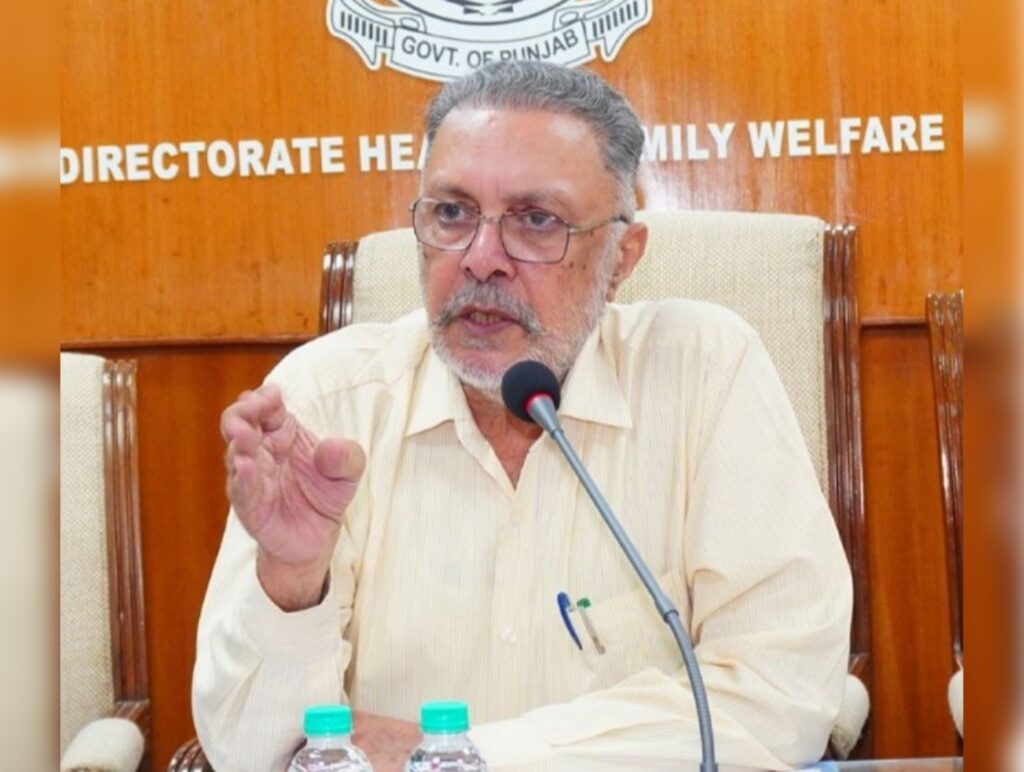
More people in Punjab are seeking treatment for mental health conditions through the state’s cashless healthcare programme, with officials saying the initiative is helping reduce financial barriers and encouraging early intervention. Health and Family Welfare Minister Dr Balbir Singh said mental health services covered under the Mukh Mantri Sehat Yojana (MMSY) include treatment for conditions such as depression, schizophrenia, bipolar disorder, anxiety disorders, stress-related illnesses and substance-use disorders.
The scheme also covers advanced treatments, including Electroconvulsive Therapy (ECT), Transcranial Magnetic Stimulation (TMS) and a range of diagnostic investigations at government hospitals.
Mental health remains a growing public health challenge in India. According to national estimates, millions of people live with conditions such as depression and anxiety, while many continue to face difficulties accessing treatment because of stigma, limited awareness and a shortage of mental health professionals, particularly in rural areas.
Dr Balbir Singh said mental health should receive the same attention as physical health, stressing that most conditions are treatable if identified early.
“People should not hesitate to seek professional help. Early diagnosis and treatment can significantly improve outcomes and prevent long-term complications,” he said.
The minister noted that mental health packages are among 81 specialised procedures reserved for government hospitals under the scheme, which covers more than 2,300 medical procedures.
The state government is also promoting mental well-being through the CM Di Yogshala programme, encouraging yoga as a tool to manage stress, improve emotional balance and support overall health.
According to data from the State Health Agency, 457 patients have so far received treatment under the mental health packages, with claims worth around ₹55 lakh processed through the scheme.
Mental health specialists say public attitudes are gradually changing. Dr Gagandeep Sekhon, a consultant psychiatrist at Civil Hospital Barnala, said more people now recognise that mental health conditions are medical illnesses requiring proper treatment.
He said factors such as academic pressure, job insecurity, financial stress, excessive social media use and weakening social support systems are contributing to a rise in mental health concerns, particularly among people aged 18 to 45.
Dr Sekhon added that cashless treatment has encouraged more patients to seek help without worrying about the cost of care, allowing doctors to intervene earlier and improve recovery prospects.
More than 700 people were detained in Delhi on Friday during protests calling for Chief…
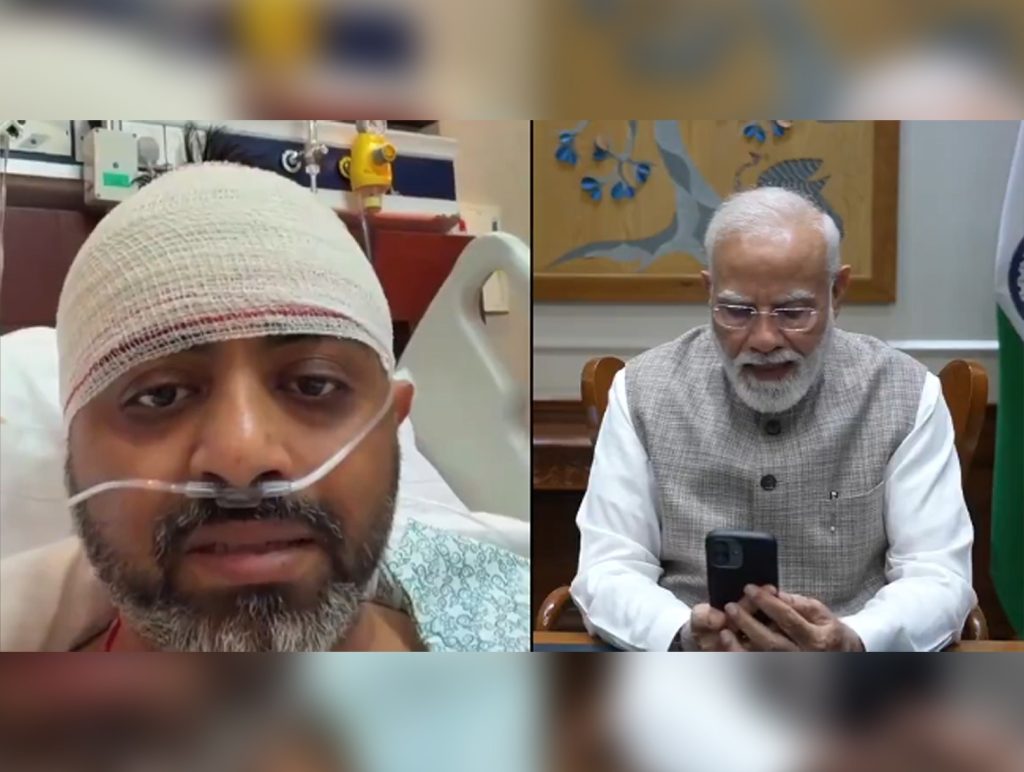
New Delhi:Indian pilot Captain Smit Machchhar on Friday spoken to Prime Minister Narendra Modi about…
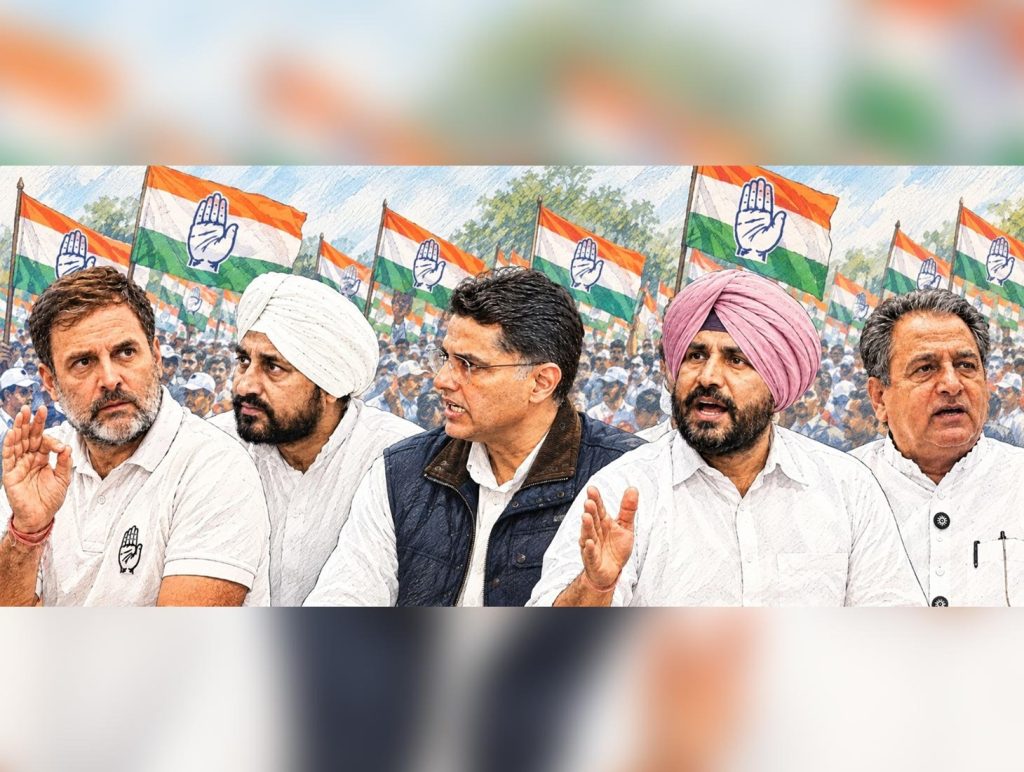
Amarinder Singh Raja Warring’s resignation as Punjab Congress president has once again put the party’s…
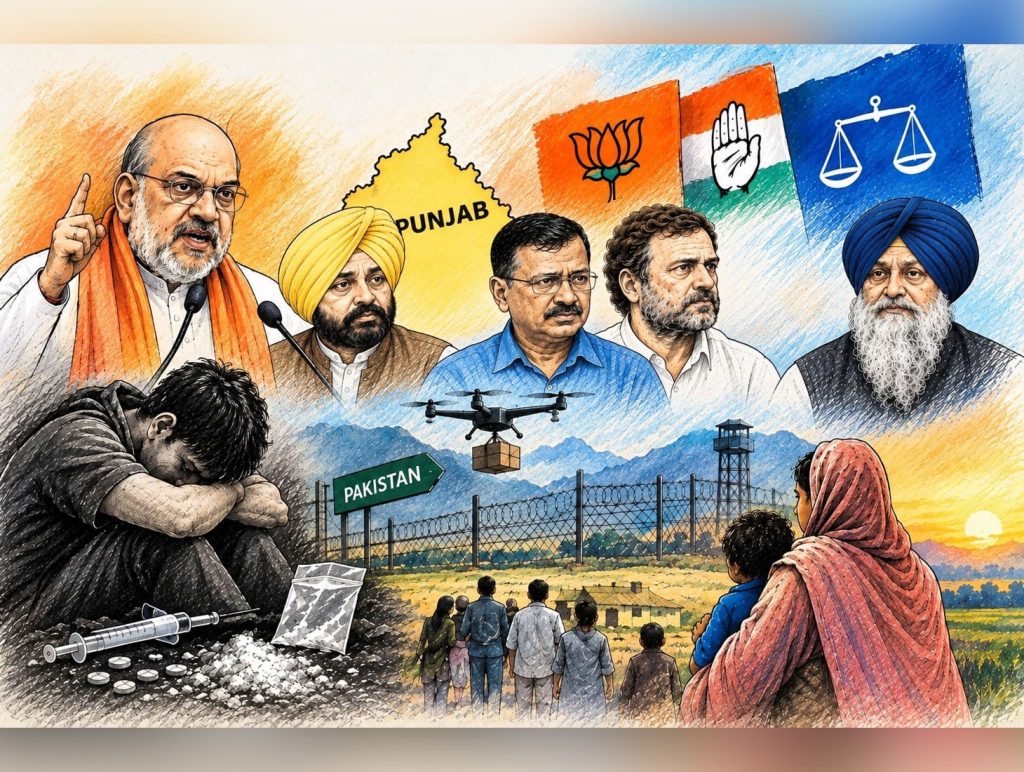
Punjab’s drug crisis is no longer just a public health emergency or a policing challenge.…