





 Disney Brar
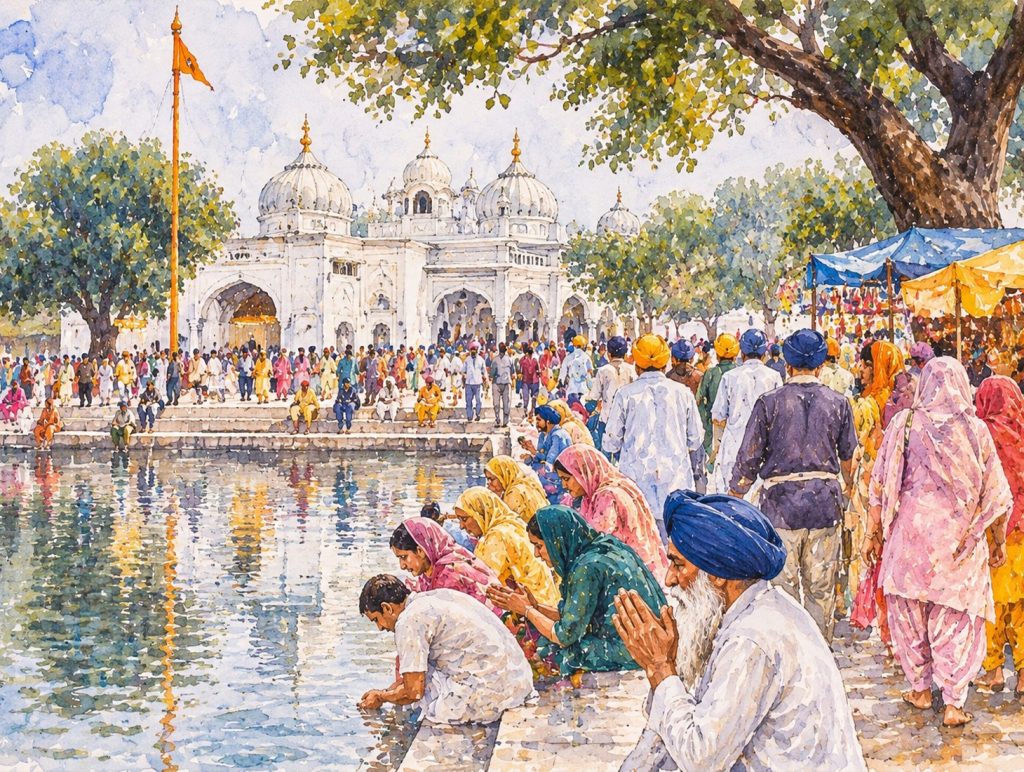
From the sacred waters associated with ancient mythology to the footsteps of the Sikh Gurus, the annual Kapal Mochan Mela in Haryana brings together faith, folklore and the enduring charm of rural traditions.
There are fairs that entertain, and then there are gatherings that carry the memory of generations. The Kapal Mochan Mela, held annually around Kartik Purnima in Yamunanagar district of Haryana, belongs to the latter. For five days, this otherwise quiet pilgrimage town transforms into a vibrant sea of devotees, drawing lakhs of pilgrims from Punjab, Haryana, Himachal Pradesh, Uttar Pradesh and beyond.
The annual Kapal Mochan–Adi Badri Mela, being held from November 20 to 24 in 2026, is a significant religious and cultural gathering, where sacred rituals blend seamlessly with the colours of a traditional rural fair.
At the heart of the pilgrimage are three sacred water bodies — Kapal Mochan, Rin Mochan and Suraj Kund. A holy dip in these sarovars, particularly on Kartik Purnima, is considered spiritually significant, symbolising purification, redemption and liberation.
Kapal Mochan derives its name from an ancient legend associated with Lord Shiva. According to Hindu beliefs, Shiva was liberated here from the burden of Brahma’s severed head, which had remained attached to his hand. Kapal means skull, while Mochan signifies liberation.
Rin Mochan, meanwhile, is associated with the Pandavas, who, according to local belief, bathed here after the Mahabharata war to seek release from the burden of their deeds. These legends have given the pilgrimage site a lasting place in the region’s sacred traditions.
Kapal Mochan also holds significance in Sikh history. Local traditions associate Guru Nanak Dev with a visit to the region, while its connection with Guru Gobind Singh remains particularly cherished.
According to local historical accounts, Guru Gobind Singh stayed here with his soldiers for 52 days following the Battle of Bhangani. A gurdwara dedicated to the Tenth Guru commemorates this association and draws Sikh devotees, particularly from Punjab.
The spirit of seva finds expression in the langars, where volunteers serve meals to pilgrims irrespective of caste, creed or social standing. The tradition reflects the Sikh principles of equality, humility and selfless service.
Away from the sacred sarovars, the mela unfolds as a colourful rural carnival. Stalls selling traditional wares, toys, sweets and local delicacies fill the landscape, while vendors, families and pilgrims lend the gathering its unmistakable festive energy.
For villagers, the mela is also a cherished social occasion — a time to meet relatives, reconnect with old acquaintances and introduce younger generations to the charm of traditional fairs. It is this blend of pilgrimage and community celebration that gives Kapal Mochan its distinctive character.
Perhaps the mela’s greatest appeal lies in its confluence of traditions. Hindu pilgrims arrive seeking spiritual cleansing, Sikh devotees follow the legacy of the Gurus, and families from different regions gather in a shared celebration of faith and heritage.
As hymns echo around the sarovars and thousands of footsteps converge on this ancient pilgrimage town, Kapal Mochan becomes more than a religious gathering. It emerges as a living reminder of India’s shared cultural traditions, where mythology meets history and devotion finds expression in the simple joys of community.
Some journeys are made to reach a destination; others to rediscover the roots of a civilisation. Kapal Mochan is perhaps both.
Panchkula could soon have a bigger sporting identity, with an international-standard cricket stadium and a…
Former Vice-President Jagdeep Dhankhar will unveil a statue of former Haryana Chief Minister Om Prakash…
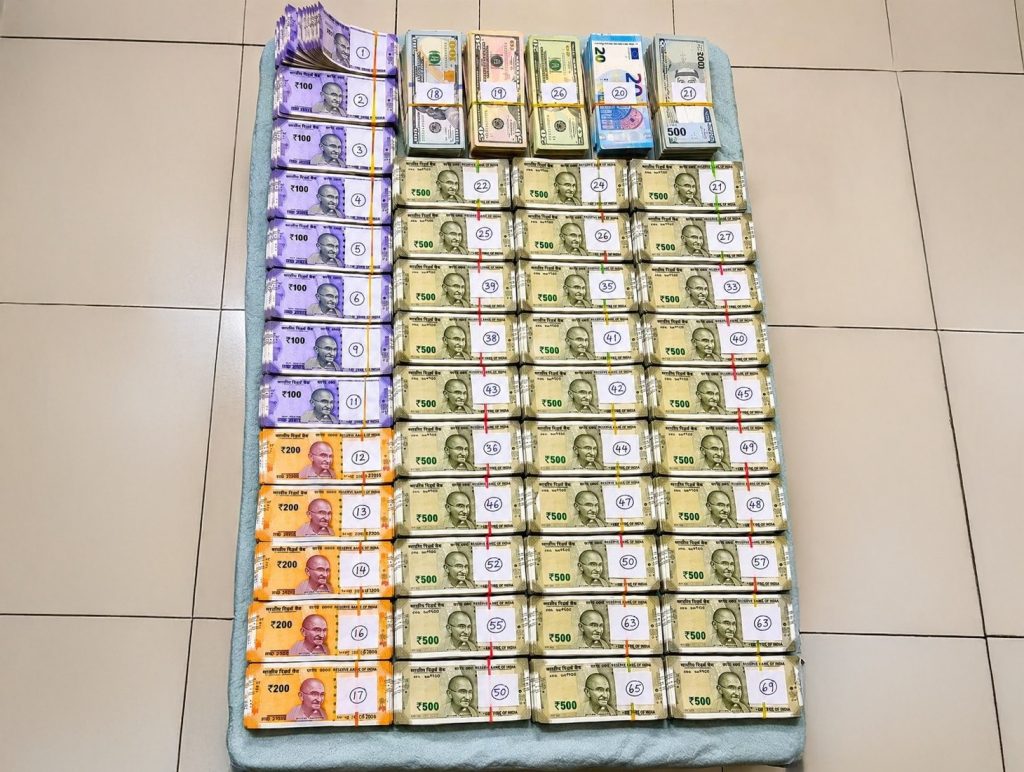
The CBI has recovered assets worth about Rs 1.86 crore from the residence of a…
Haryana Chief Minister Nayab Singh Saini on Friday directed officials to speed up subsidy disbursement…