Spread the news
Chandigarh, July 3
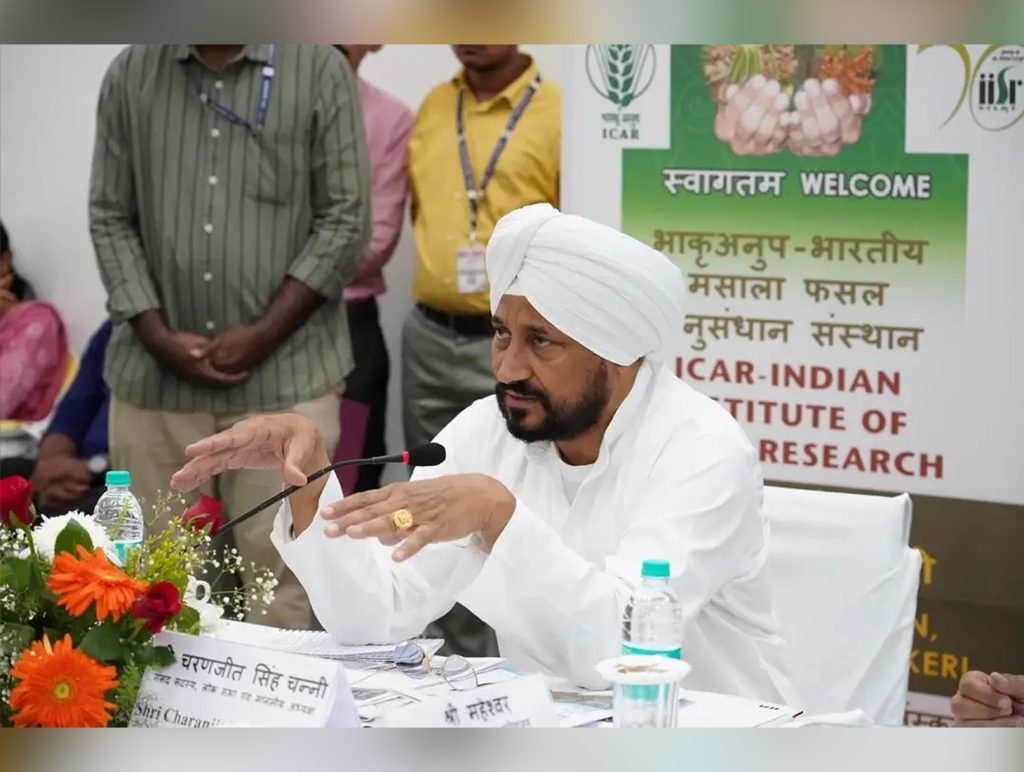
Supporters of former Punjab Chief Minister Charanjit Singh Channi gathered outside his residence in Morinda on Friday, urging the Congress leadership to appoint him as the head of the party’s state unit. The gathering came days after the Congress high command decided to continue with Amrinder Singh Raja Warring as Punjab Congress president, along with announcing key committees for the 2027 Assembly elections. Several former MLAs and senior leaders who visited Channi’s residence told reporters that the party’s chances in Punjab would improve only if the leadership was handed over to the former chief minister.
“If Channi is not made the state president, Congress cannot form government in Punjab,” said former MLA Darshan Singh Brar. “Under Warring’s leadership, the party cannot come to power.”
Another leader, Gurpreet Singh Kangar, said voters wanted Channi in charge. “We go to the people to seek votes, and people want Channi as the state chief,” he said. The meeting drew a number of senior faces, including former deputy chief minister O P Soni, former ministers Bharat Bhushan Ashu and Gurpreet Singh Kangar, former MP Mohd Sadiq, and sitting MLA Tript Rajinder Singh Bajwa, along with several former MLAs.
Party insiders say Channi, who had been seen as a strong contender for the post, is disappointed by the decision to retain Warring. He is also said not to have spoken to the party leadership following the announcement.
Instead of the state president’s post, Channi—who represents Jalandhar in Parliament and belongs to the Dalit community—has been appointed chairperson of the campaign committee, which will play a key role in shaping the party’s election strategy. The Congress has also kept Partap Singh Bajwa as leader of the opposition in the Punjab Assembly and named Sukhjinder Singh Randhawa as chairperson of the core committee.
The party says the appointments are aimed at balancing factions within the Punjab unit ahead of the 2027 elections. However, the latest developments underline continuing internal tensions over leadership choices in the state.







 The North News