







 Manya Bhasin
A film set does not always need expensive equipment, elaborate costumes or professional studios. Sometimes, all it takes is a group of enthusiastic actors, a camera and an idea worth bringing to life.
For Sabat Siddiqui, filmmaking began at the age of 10. While most children his age watched Bollywood songs, he was busy recreating them. Armed with a mobile phone and accompanied by his cousins, he started shooting music videos inspired by Bollywood numbers.
What began as a childhood experiment gradually developed into a passion for filmmaking.
Now a third-semester Bachelor of Journalism and Mass Communication student of Chitkara University, Sabat is pursuing his filmmaking ambitions through independent projects, working with fellow students and making use of available resources.
His projects include Support System, The Perfect Batch, Chod Bhangra – Landlord vs Tenant and Ranjha Ranjha Kardi.
Created largely through collaboration with fellow students, these projects reflect his efforts to explore filmmaking beyond the classroom, turning limited resources and creative ideas into screen productions. Rather than investing in elaborate production arrangements, his team relies on college equipment, personal costumes and accessible locations. Classmates’ houses and paying guest accommodations often become shooting locations, while travel and fuel account for most of their expenses.
However, working without a substantial budget does not mean working without challenges.
For Siddiqui, coordinating the crew is one of the most difficult parts of direction. Different schedules, working styles and levels of involvement often make it difficult to bring everyone together. When several actors are involved, matching their availability becomes an additional task.
His strength lies in working with a familiar group of performers. Ragini, Onishka, Vaidant and Rupali have become regular collaborators, while Lavneet assists him across projects.
Interestingly, Siddiqui’s casting process works differently from conventional script-first approaches. He observes the strengths of his actors and then develops roles that suit their personalities and performances.
His course has also played an important role by providing access to cameras, microphones, lights and shooting opportunities.
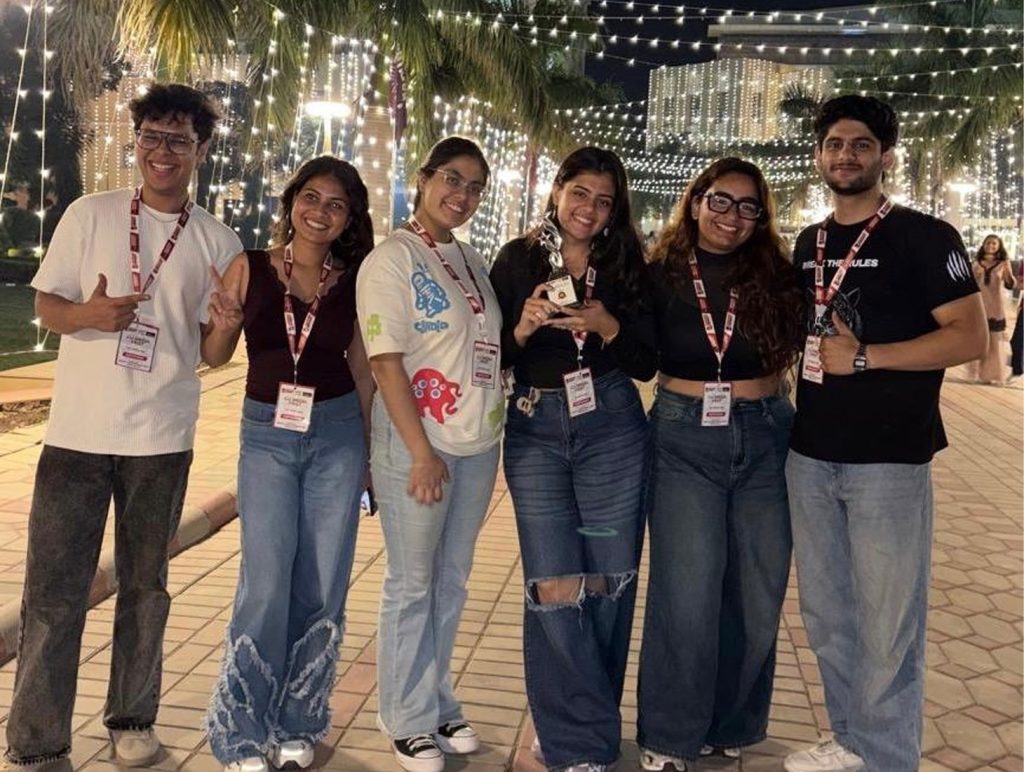
The results of this collaborative approach are reflected in “Ranjha Ranjha Kardi”, which took nearly a year to complete and received recognition in seven categories at the Mumbai International Cinema Awards 2026.
For Siddiqui, the experience reinforces an important lesson: filmmaking is as much about managing people and bringing ideas together as it is about operating a camera.
With limited resources but a growing body of work, he continues to build his filmmaking journey one project at a time.
Digital creator Samay Raina has achieved a major global milestone by becoming the first creator…

New Delhi will host the 12th India International Dance and Music Festival 2026 from December…

Indian cinema has secured a place in the global awards spotlight, with Nitesh Tiwari’s “Ramayana:…

Actor Kartik Aaryan has ventured into film production with the launch of his banner, Dopamine…