






 Disney Brar
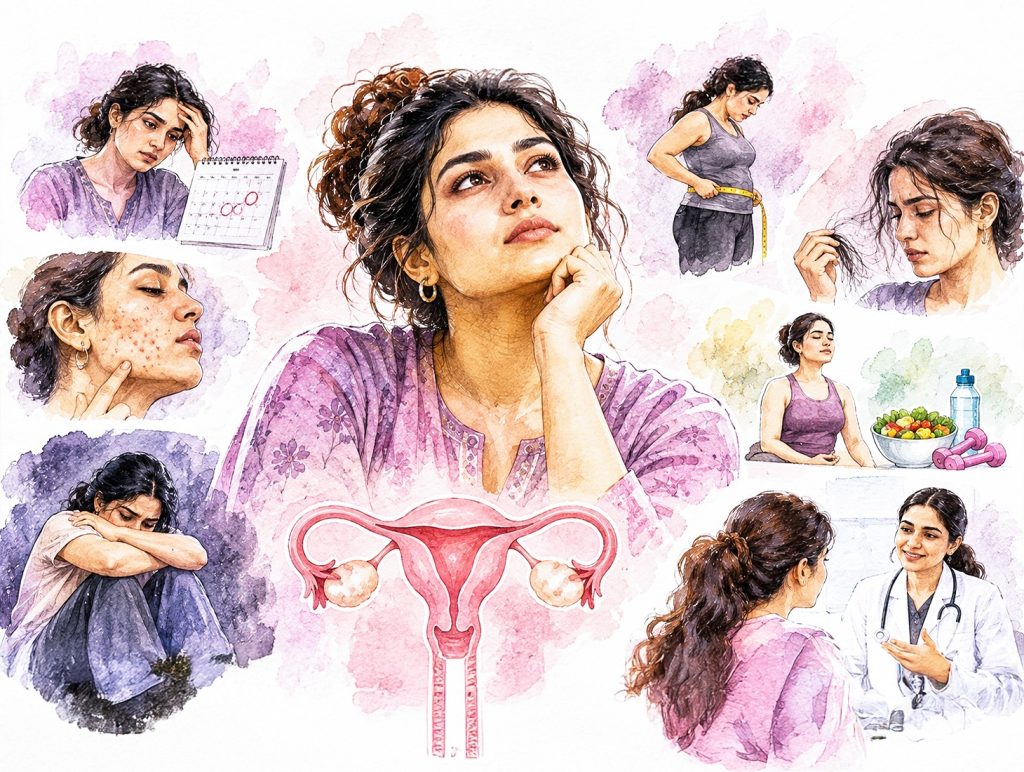
Beyond irregular periods and fertility concerns, Polycystic Ovary Syndrome can affect a woman’s physical, metabolic and emotional well-being.
An irregular period, persistent acne, unexplained weight changes or excessive facial hair may seem like everyday concerns, but sometimes they point towards a deeper hormonal condition — Polycystic Ovary Syndrome (PCOS).
Affecting an estimated 10–13 per cent of women of reproductive age worldwide, PCOS remains one of the most under-diagnosed conditions affecting women’s health. According to the World Health Organisation, up to 70 per cent of affected women may be unaware that they have it.
PCOS is a hormonal and metabolic disorder that affects ovarian function and can interfere with regular ovulation. Despite its name, it does not necessarily mean that a woman has ovarian cysts.
Its symptoms vary, ranging from irregular periods, acne and hair thinning to excessive facial hair and difficulty conceiving. The condition is also associated with insulin resistance, which can increase the risk of type 2 diabetes and other metabolic complications.
Beyond physical symptoms, PCOS can take an emotional toll. Changes in appearance, body-image concerns and social pressure around marriage and motherhood can affect women’s confidence and mental well-being. The misconception that PCOS automatically leads to infertility further adds to the anxiety.
However, a PCOS diagnosis does not mean motherhood is out of reach. Many women conceive naturally, while others may benefit from medical support.
Although there is no permanent cure, PCOS can be managed through individualised treatment, balanced nutrition, regular physical activity and appropriate medical care. Depending on symptoms, doctors may recommend medication to regulate periods, manage hormonal symptoms or support fertility.
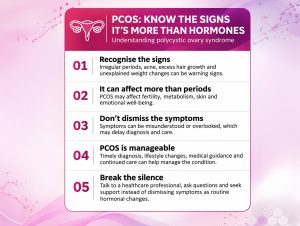
Greater awareness and early diagnosis are essential to addressing the condition and its long-term health risks.
PCOS is more than an irregular-period problem. It is a reminder that women’s hormonal health deserves attention, open conversations and timely medical care — without stigma or misinformation.
Once considered a disease of old age, heart attacks are increasingly affecting people in their…

With an aim to steer Punjab’s youth away from drug abuse and promote fitness and…

It is a familiar winter scene. The alarm rings, the shoes come out, a jacket…
Resident doctors from the Department of Community Medicine and School of Public Health at PGIMER,…