






 The North News
Taking the fight against Punjab’s drug menace beyond policing and rehabilitation, the Vicky Middukhera Foundation has proposed making drug awareness education mandatory in schools across the state.
The foundation has urged the Punjab government to introduce a dedicated chapter on the harmful effects of drugs in the Class 6 curriculum, emphasising the need to sensitise children about substance abuse at an early age.
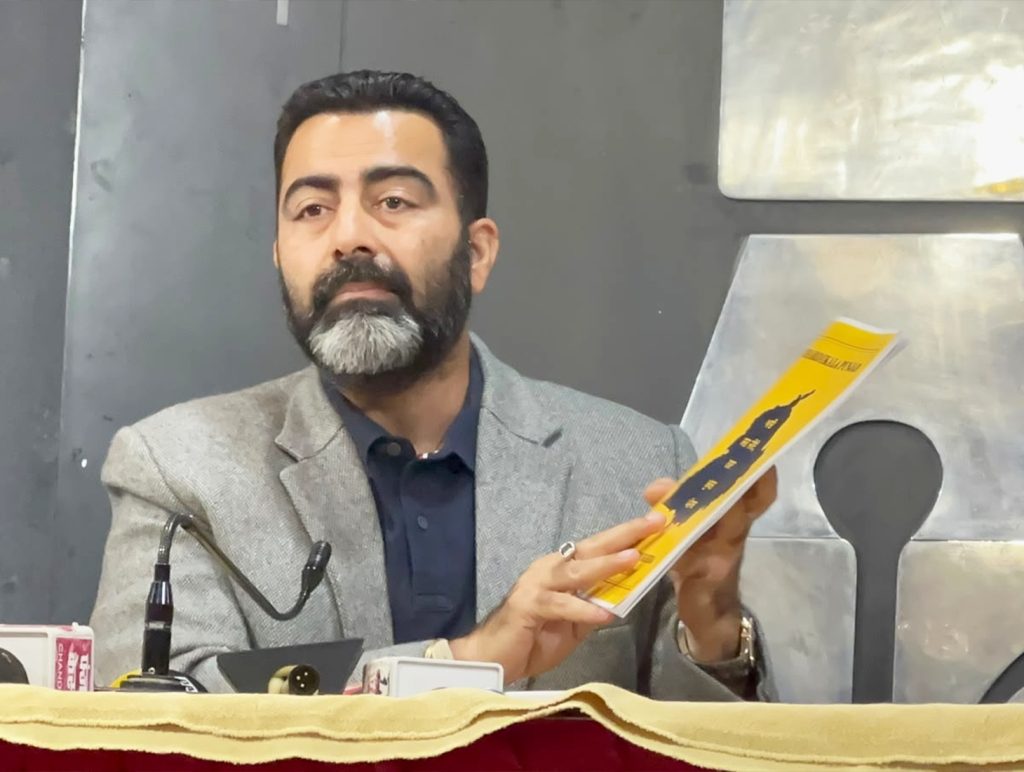
As part of the initiative, the foundation unveiled a specially designed educational booklet for students of Classes 6 to 8 at a press conference held at the Chandigarh Press Club on Monday.
Ajaypal Middukhera, elder brother of Vicky Middukhera, said the foundation has submitted its proposal to the Punjab Vidhan Sabha Speaker and the education minister, recommending that students be educated about the impact of drugs on the human body and brain.
The proposal also calls upon the Punjab School Education Board (PSEB) and the State Council of Educational Research and Training (SCERT) to examine the educational material and consider incorporating it into the school curriculum.
Titled ‘Chardi Kala Punjab – Say No to Drugs, Say Yes to Life’ the booklet aims to equip young students with knowledge about substance abuse and encourage them to make informed, responsible choices.
The foundation believes that the fight against drugs cannot remain confined to police action, de-addiction centres and rehabilitation facilities. Preventive education, it maintains, must become an equally important part of the state’s anti-drug strategy.
The educational booklet explains the harmful effects of tobacco, alcohol, cannabis, heroin and other addictive substances on the human body. It highlights the potential damage to vital organs, including the brain, heart, lungs, liver and kidneys, while also examining the impact of addiction on mental health, education, family relationships and social well-being.
Beyond creating awareness about the physical and psychological consequences of substance abuse, the material seeks to prepare students to deal with peer pressure and make healthier life choices.
It encourages children to develop the confidence to say no to drugs and adopt constructive ways of coping with stress.
The booklet also incorporates interactive learning tools, including quizzes, classroom exercises, poster-making competitions, teacher guidelines, messages for parents and a pledge for a drug-free Punjab.
To ensure wider accessibility, the foundation has recommended publishing the booklet in Punjabi, Hindi and English. The proposed rollout would cover government, government-aided and private schools across Punjab.
The initiative also envisages teacher orientation programmes, regular awareness sessions and school-level campaigns to strengthen the message of substance abuse prevention.
Beginning with Class 6, the foundation has proposed gradually extending drug prevention education to Classes 7 to 12. The idea is to introduce age-appropriate lessons that help children understand the dangers of addiction, recognise warning signs and become more confident in resisting negative influences.
The foundation believes that awareness cultivated in classrooms can travel beyond school boundaries, encouraging students to become messengers of change within their families and communities.
With its proposal now submitted to the state leadership, the foundation has appealed to the Punjab government to examine the recommendations and consider integrating preventive drug education into the formal school curriculum.
The larger message is simple: the fight for a drug-free Punjab must begin before addiction takes hold — and the classroom could be one of its most important starting points.

“Amrit Vela Sach Nao, Vadiayi Veechar.” In the sacred verses of Japji Sahib, Guru Nanak…
There is poetry in a Nagar Kirtan that no pen can fully capture — in…
Special camps will be held at all polling booths across Punjab on November 22 to…

A jatha of Sikh pilgrims will leave for Pakistan on Sunday, November 22, to attend…