






 Disney Brar
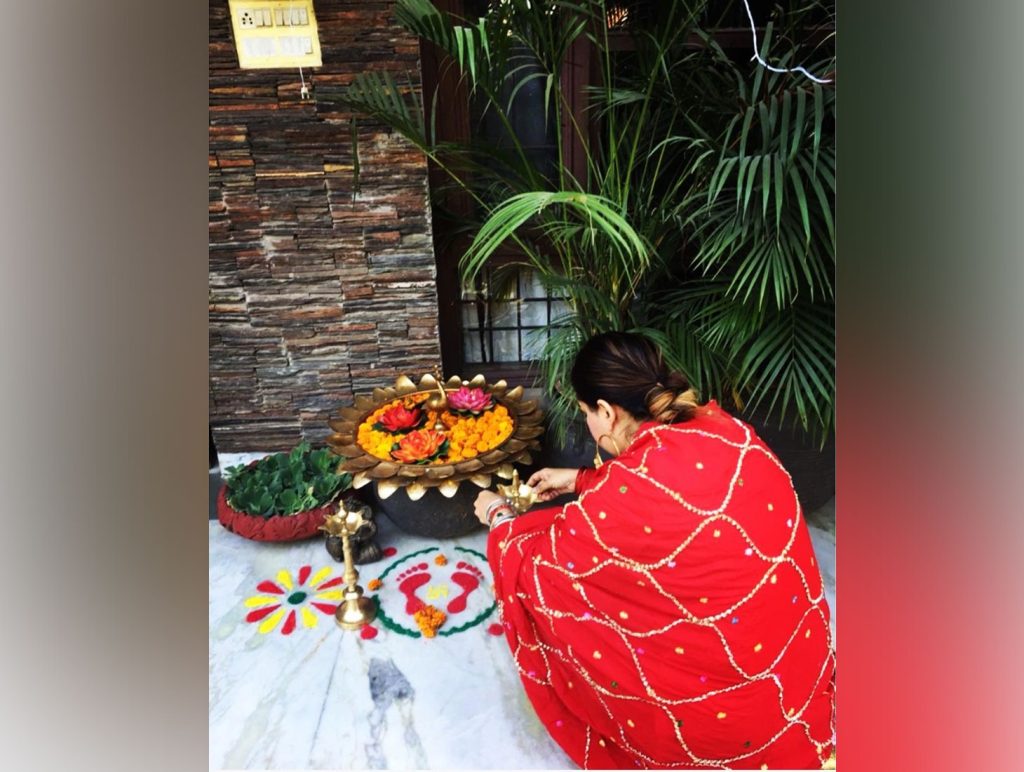
From the glow of earthen diyas to the sacred chants of Lakshmi Puja, Diwali is more than a festival of lights — it is a celebration of faith, prosperity and the eternal triumph of good over evil.
As the evening sky turns dark and homes begin to shimmer with the golden glow of earthen lamps, India prepares to welcome one of its most cherished festivals — Diwali. Celebrated on Sunday, November 8, 2026, Deepavali, literally meaning a row of lights, brings with it an unmistakable sense of warmth, togetherness and renewal. It is that time of the year when courtyards come alive with colourful rangolis, doorways are adorned with flowers, kitchens fill with the aroma of festive delicacies and prayers find their way into every home.
But beyond the sparkle, sweets and celebrations lies a deeper story — one of hope overcoming despair, knowledge dispelling ignorance and light triumphing over darkness.
A festival Rooted In Faith And Mythology
Diwali carries different meanings across India’s diverse religious and cultural traditions. According to the Ramayana, the festival commemorates the return of Lord Rama, Goddess Sita and Lakshmana to Ayodhya after 14 years of exile and Lord Rama’s victory over Ravana. The people of Ayodhya are believed to have illuminated the kingdom with rows of oil lamps to welcome their beloved king.
The festival is also closely associated with Goddess Lakshmi, the Hindu deity of wealth, fortune and prosperity. According to Hindu mythology, she emerged during Samudra Manthan, the churning of the cosmic ocean. Her worship on Diwali is therefore considered particularly significant, as families pray for abundance, happiness and well-being.
Lakshmi Puja: An Evening Of Prayers And Prosperity
The spiritual heart of Diwali is Lakshmi Puja, when families gather around beautifully decorated prayer spaces to worship Goddess Lakshmi and Lord Ganesha. While Lakshmi is invoked for wealth and prosperity, Ganesha is worshipped for wisdom, good fortune and the removal of obstacles.
This year, Diwali falls on November 8, with the main Lakshmi Puja muhurat in Punjab, falling between 5:55 pm and 7:50 pm, according to the cited local Panchang timings.
The preparations begin much before the auspicious hour. Homes are cleaned and decorated, entrances are adorned with torans and rangolis, and puja thalis are arranged with flowers, fruits, sweets, coins, kumkum, rice and earthen lamps. The evening unfolds with the lighting of diyas, offerings to the deities, recitation of prayers and the familiar strains of Lakshmi Aarti.
For many business families, the occasion also marks Chopda Pujan, when account books, cash boxes and business ledgers are worshipped, symbolising hopes for a prosperous year ahead.
Five Days, Countless Traditions
Diwali is not merely a one-day celebration but a series of festivities, each carrying its own significance. The celebrations begin with Dhanteras, when people worship Goddess Lakshmi and Lord Dhanvantari, with the purchase of gold, silver and utensils forming a popular tradition.
Narak Chaturdashi, also known as Chhoti Diwali, follows, commemorating Lord Krishna’s victory over Narakasura in several traditions. The main Diwali evening is dedicated to Lakshmi-Ganesh Puja. This is followed by Govardhan Puja, associated with Lord Krishna and the worship of Govardhan Hill, while Bhai Dooj celebrates the affectionate bond between brothers and sisters.
For Sikhs, this festive period also holds special significance as Bandi Chhor Divas, commemorating Guru Hargobind Sahib Ji’s release from Gwalior Fort along with 52 kings. For Jains, Diwali marks the nirvana of Lord Mahavira.
More Than Lights, A message For Generations
Every ritual of Diwali carries a symbolic meaning. The diya represents hope, the rangoli signifies welcome and auspiciousness, while the sharing of sweets reflects the sweetness of relationships. The festival also encourages generosity through charity, helping the underprivileged and reaching out to those who may otherwise find the celebrations difficult.
As the country lights up on November 8, the real spirit of Diwali lies not just in illuminating homes but in spreading kindness, compassion and happiness. Perhaps that is the most beautiful tradition of all — to become a little light in someone else’s darkness.
For when the last diya flickers and the festive decorations eventually come down, it is the warmth of togetherness, the strength of faith and the promise of new beginnings that continue to shine.
India celebrated another Asian Champions Trophy triumph on Thursday defeating Japan 4-1 in the final…
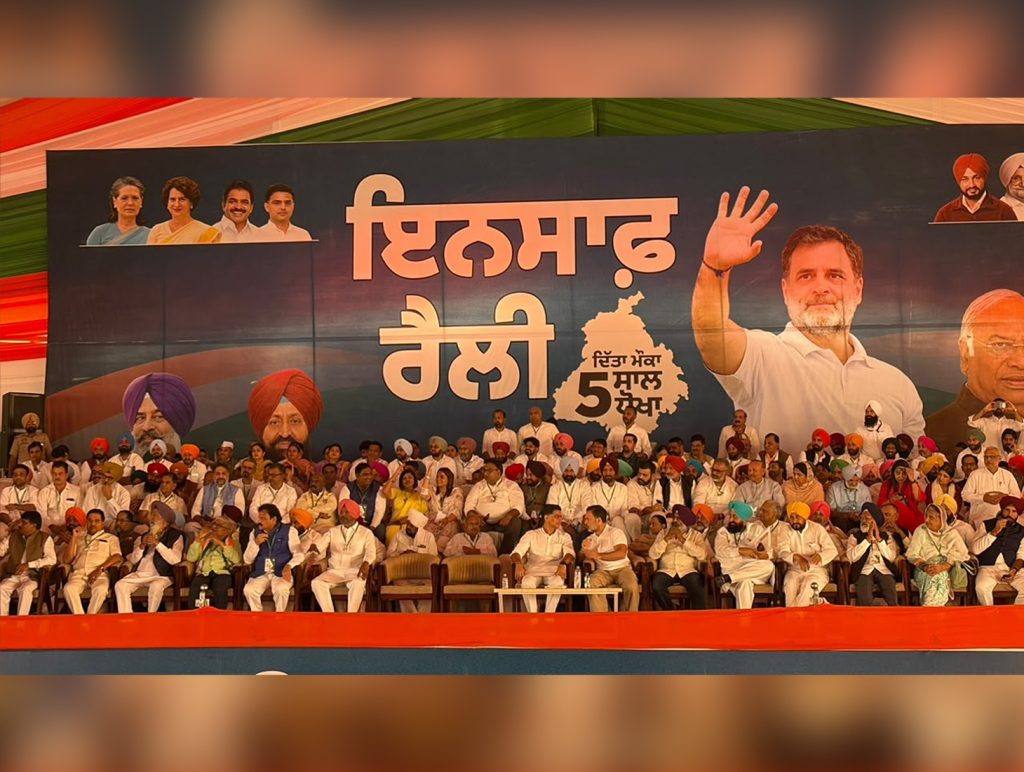
Congress leader Rahul Gandhi has accused the Aam Aadmi Party (AAP) government of failing to…
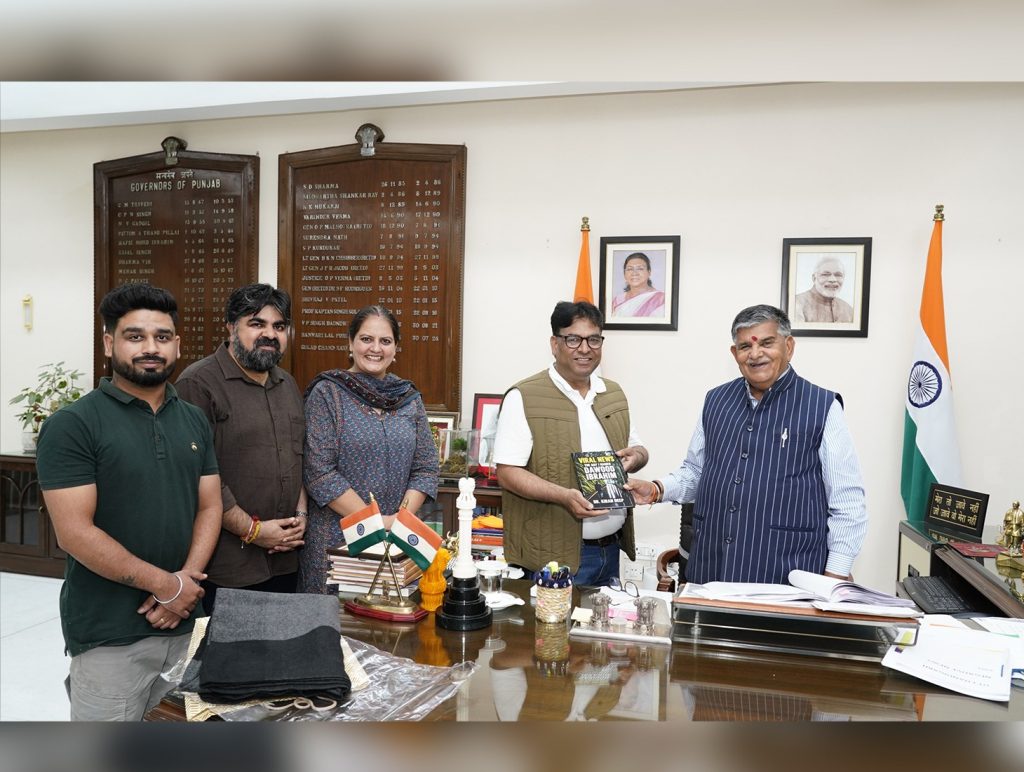
Dr Kiran Deep, Editor-in-Chief of The North News, on Tuesday formally presented the first copy…
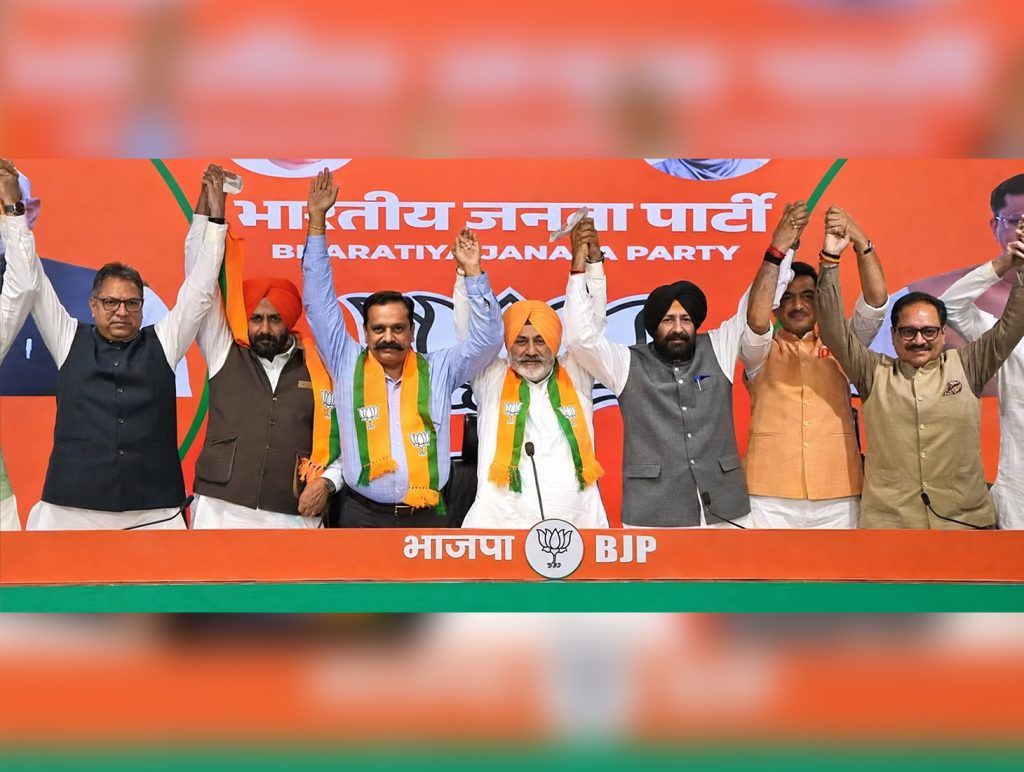
The exit of three Aam Aadmi Party (AAP) legislators to the Bharatiya Janata Party (BJP)…