








 Manjari Verma
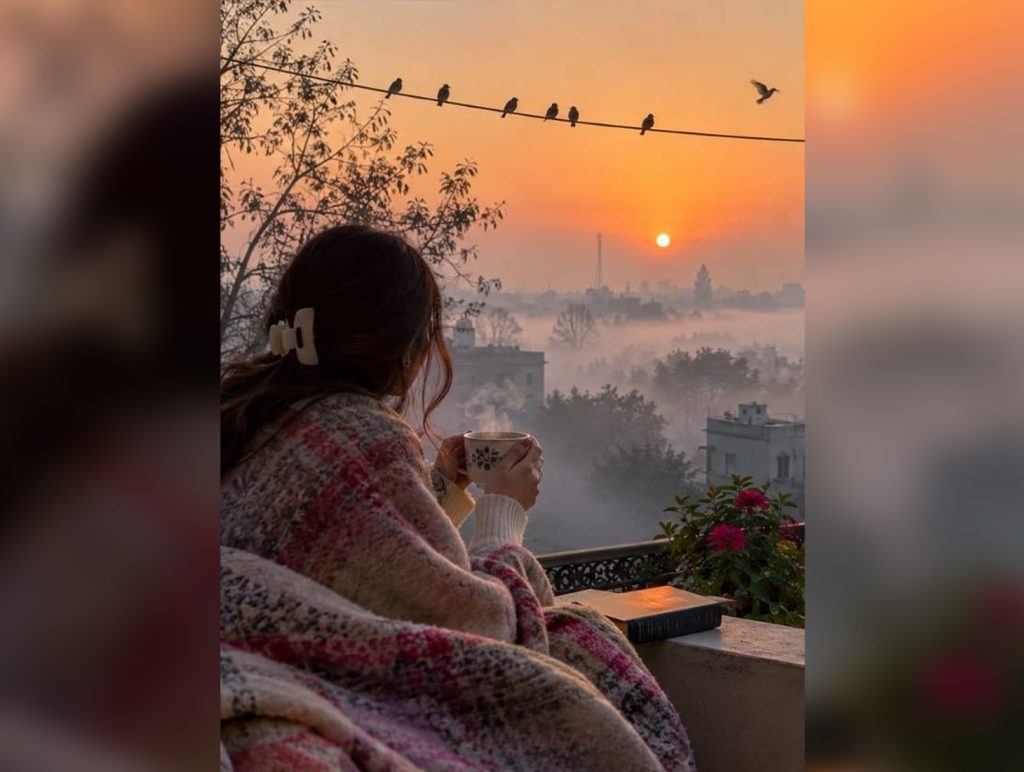
From the comfort of a warm razai and the first cup of kadak chai to golden afternoons in the dhoop and conversations around a bonfire, winter in North India has a way of making ordinary moments feel extraordinary.
If I could ask time for one favour, I would ask it to slow down between November and March. Not stop completely, but move gently enough for me to savour the little things that make winter special. There is something about this season that makes life feel softer, as though the world has finally decided to take a breath after running endlessly for the rest of the year.
In Chandigarh, winter has its own familiar scenes. Fog settles over tree-lined roads, commuters wrap themselves in jackets and mufflers, and the morning rush begins beneath a pale sky. As the day progresses, people gravitate towards sunny balconies, park benches, and roadside tea stalls. The city remains busy, yet the sunshine offers small opportunities to pause between everyday responsibilities.
Perhaps that is winter’s quiet magic: it makes ordinary life feel worth lingering over.
A North Indian winter morning begins with the familiar struggle of leaving a warm razai when the floor feels impossibly cold. Outside, birds gather on rooftops and electric wires, chirping as the world slowly wakes up. In the kitchen, parathas cook on the tawa, milk simmers on the stove, and someone asks whether everyone wants chai.
That first cup of kadak chai is more than a morning ritual. The steam rising from the cup, the warmth travelling through cold fingers, and the familiar taste offer a comforting start to the day. Whether enjoyed at home or bought from a roadside stall on the way to work, tea provides a reason to slow down, even briefly.
I sometimes think these small rituals are what make a season memorable. They ask for nothing extraordinary, only a little attention.
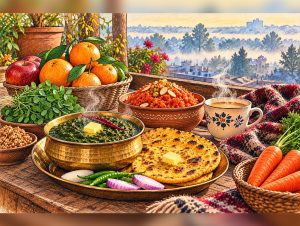
Across North India, winter brings its own collection of flavours. Sarson ka saag and makki ki roti, methi parathas, gajar ka halwa, hot pakoras and roasted peanuts find their place in seasonal routines, alongside the many regional dishes prepared in homes across the region.
There is pleasure in peeling oranges in the afternoon sun or enjoying homemade halwa after a family meal. Food seems to carry more than flavour; it brings back familiar kitchens, family recipes and the person who insists that you have another helping.
Every region has its own culinary traditions, but the comfort of sharing a freshly prepared meal is familiar across households. Sometimes, the best part of a meal is not what is served, but the conversation that continues long after everyone has finished eating.
If winter offers one luxury I would happily choose over a packed schedule, it is an afternoon spent in the dhoop.
A chair moves to the balcony, a charpai appears in the courtyard, and someone brings out a newspaper and a bowl of oranges. Conversations drift from family news to neighbourhood gossip, while the afternoon passes without anyone feeling the need to make elaborate plans.
As the fog lifts, familiar rooftops, trees and distant buildings emerge beneath the golden light. Even a well-known street can look different when the sun finally appears.
There is a quiet satisfaction in doing very little and feeling that the time has been well spent. In a world where every hour seems to demand productivity, simply sitting in the sunshine can feel like a small act of freedom.
Winter also changes the character of local markets. Shops display colourful shawls, sweaters and jackets, while vendors selling roasted peanuts add to the familiar street-side scene. Shopping for woollens becomes an outing, complete with differing opinions about colours, prices and whether another sweater is really necessary.
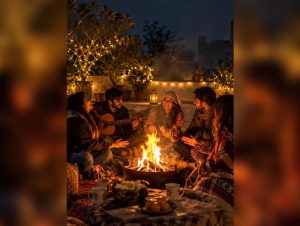
As evening approaches, the focus shifts from markets to gatherings. Around a bonfire, friends and family stretch their hands towards the flames while conversations wander from old memories to future plans.
Someone begins singing a familiar song; another person interrupts with a joke. Tea is passed around, laughter follows, and even the stories everyone has heard before find their way into the conversation again.
What makes these evenings special is their simplicity. Nobody needs to organise an elaborate outing or find a reason to stay. The company itself is enough. Years later, it may be the laughter, the off-key singing or the feeling of belonging that remains memorable.
Perhaps this is why I wish winter would last a little longer. I want more mornings when leaving the blanket can wait a few minutes, more afternoons when sunshine is reason enough to sit outside, and more evenings when conversations continue long after the tea has gone cold.
Life does not stop during winter. Work continues, deadlines arrive, and responsibilities remain. Yet the season reminds me that not every moment needs to be productive or every day filled with plans.
Happiness can arrive quietly, through a familiar meal, a conversation with someone we love, or a peaceful afternoon in a familiar place.
Maybe the real luxury is not having more time, but learning to experience the time we already have.
And if I could ask time for that one favour, I would ask it to linger a little longer in these ordinary moments. Not because winter must last forever, but because it reminds me how beautiful life can feel when we slow down enough to notice it.
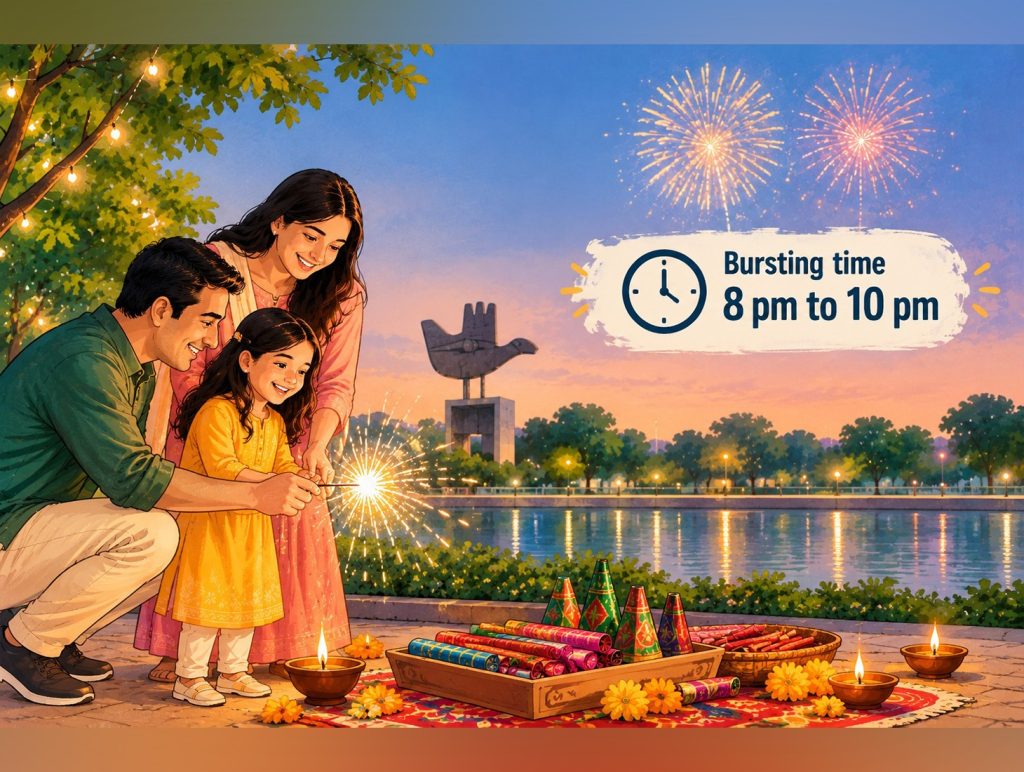
The Chandigarh Administration has restricted Diwali firecracker use to a two-hour window, 8 pm to…
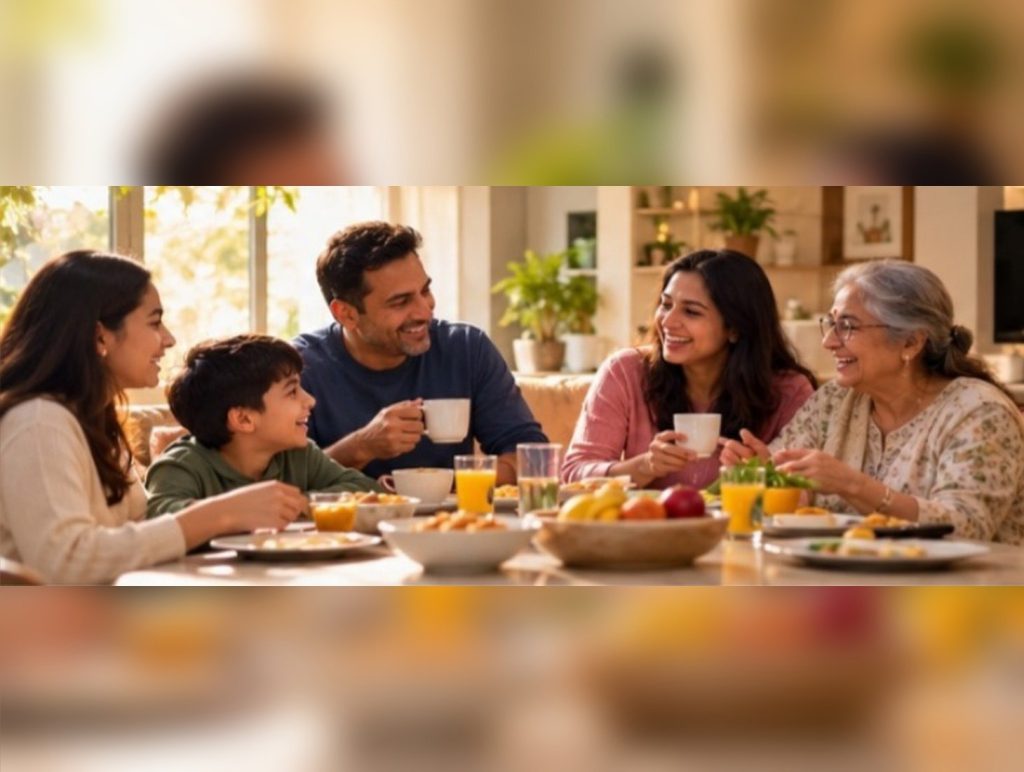
Sunday is supposed to be a day of rest, a pause from hectic schedules, office…
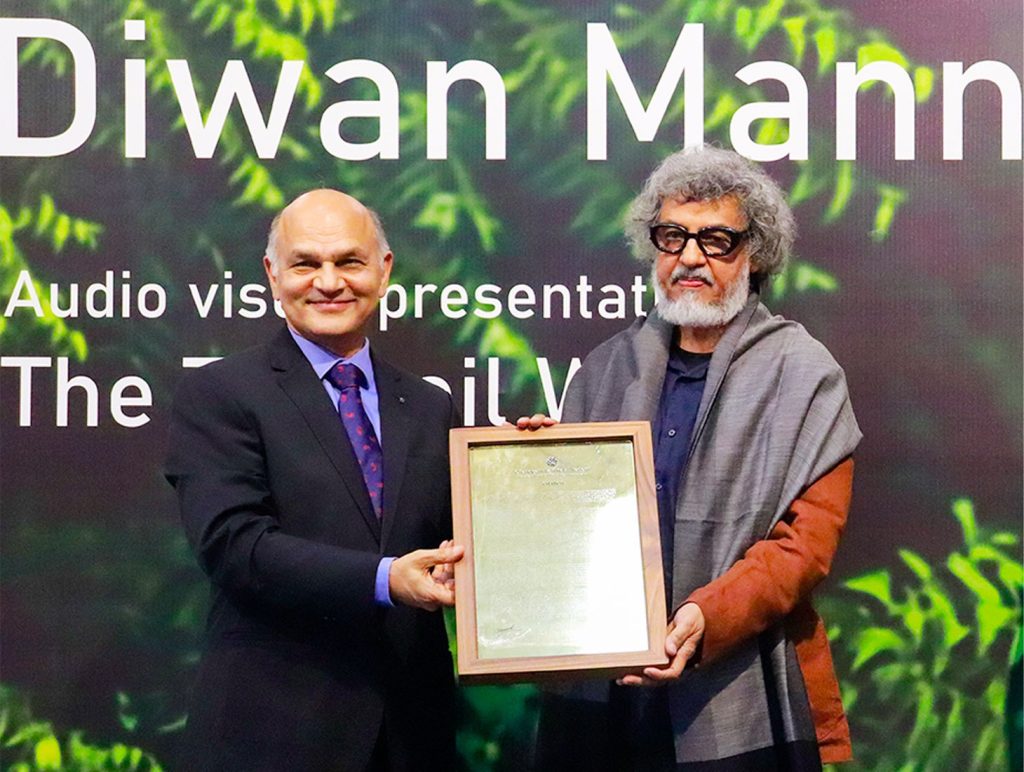
A photograph can capture a moment, but for artist and photographer Diwan Manna, it can…
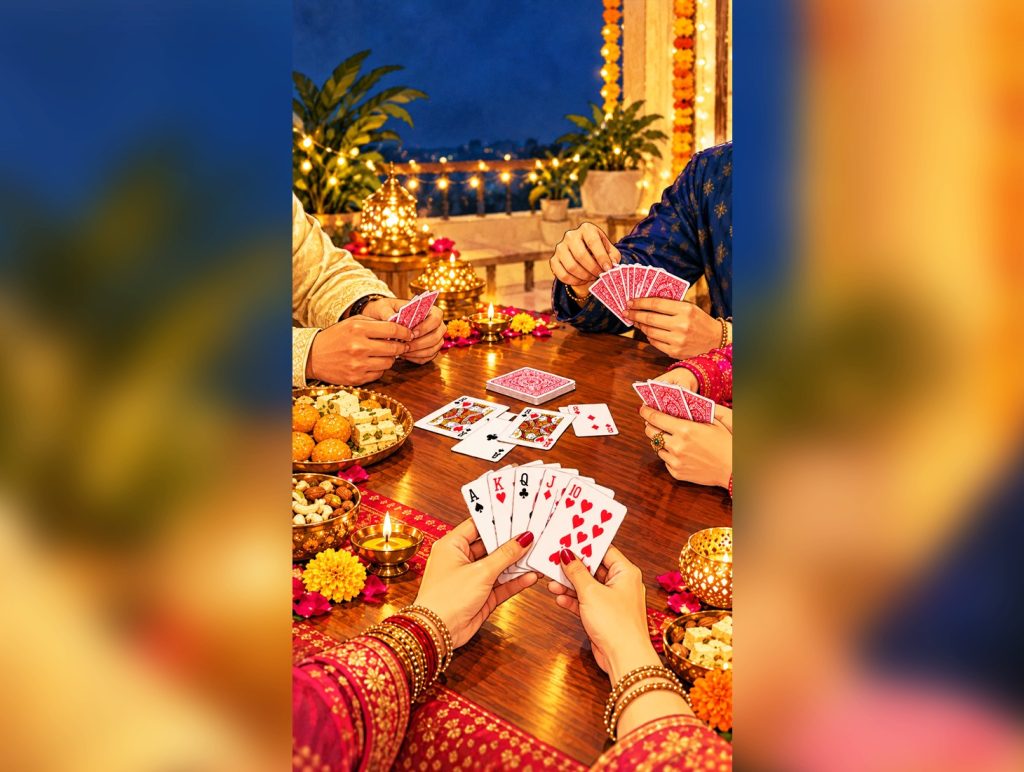
There is a particular kind of magic to Diwali evenings. The earthen diyas flicker…