




 Manjari Verma
Chandigarh, September 27
For Dr Nisha Luthra, art is not simply a form of expression. It is a way of processing life, understanding emotions and returning to the self.
Working at the intersection of theatre, films, poetry and holistic wellness, Luthra has built a creative journey that brings together storytelling and emotional healing. She is a psychodrama practitioner and coach, theatre and film director, poet, and the Founder and Director of The Narrators Performing Arts Society India and House of Happiness, New York/India. Her first Hindi poetry collection, UNS, has been translated into French, Punjabi, Urdu, Odia, English and Assamese.
Her philosophy is rooted in a simple belief: “Art, healing and poetry all lead us back to the self.”
For Luthra, that idea emerged from personal experiences of loss, grief and pain. She says she turned to different forms of art during difficult phases of her life — writing her emotions, taking stories to the stage through theatre and bringing them alive through cinema.
“Art has always been a way of returning to the self — of understanding what lies within us, and then transforming that experience into something that can be shared with others,” she says.
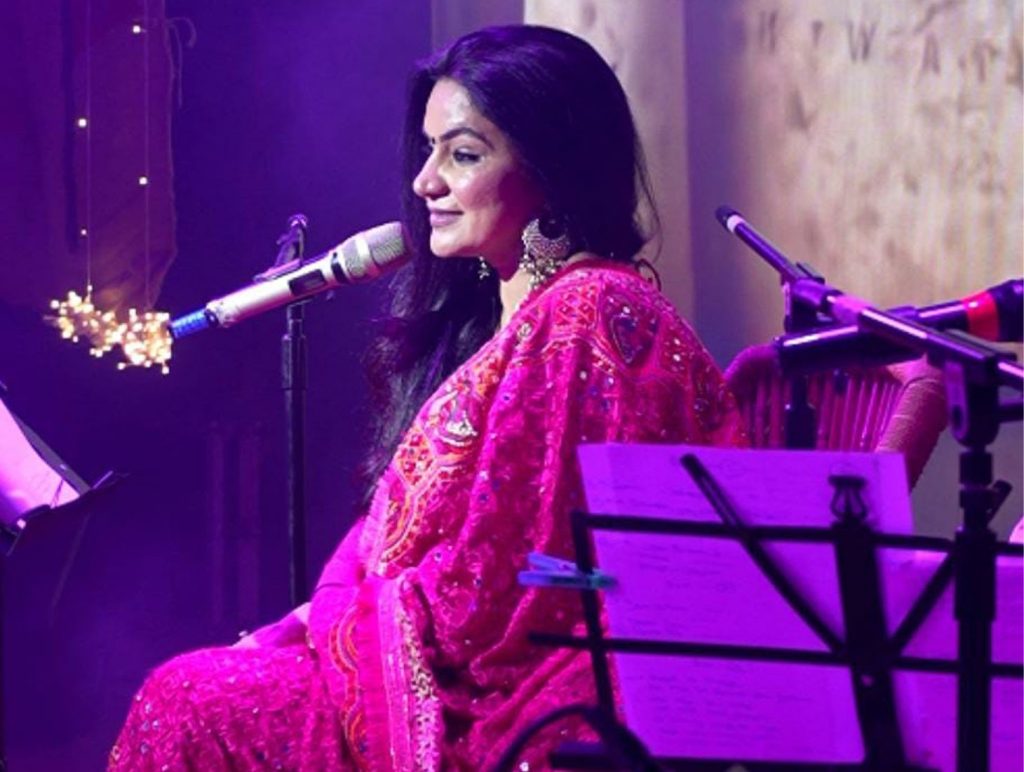
That philosophy is central to The Punjab Project, an initiative that combines storytelling, narration, poetry and music to explore Punjab’s history, culture and heritage.
Luthra describes the project as emerging from her concern about mental health as well as the cultural roots of Punjab’s younger generation. She believes the state’s heritage carries traditions of seva, love, war, peace, joy and abundance, while she is concerned about young people moving towards substance use, aggression and excessive materialism.
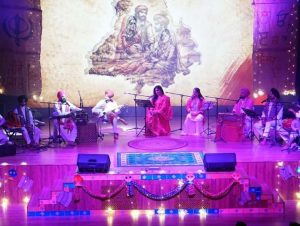
The project therefore seeks to create a contemporary connection with Punjab’s cultural memory, drawing inspiration from figures such as Bhagat Singh, Shiv Kumar Batalvi, Baba Farid and Bulleh Shah.
For Luthra, the boundaries between literature, theatre, cinema and healing are fluid. Literature can become the starting point for developing a character or story for the stage or screen, while her work as a psychodrama practitioner allows her to use fictional situations to explore real-life experiences.
She works with people from corporates, universities and colleges, creating spaces where participants can engage in role reversal and role-play.
Her future work, she says, will continue to explore the meeting point of art, healing and human connection. She wants to develop immersive experiences in which audiences become participants rather than passive spectators, while also working with young people and institutions through storytelling, psychodrama, movement, music and poetry.
She is particularly interested in bringing cultural roots into conversation with contemporary realities, extending the approach of The Punjab Project to different communities, stories and themes.
Her message to young people is equally rooted in introspection.
“Don’t lose yourself while trying to find your place in the world,” she says, describing theatre, poetry and literature as mirrors through which people can encounter their emotions, stories and, ultimately, themselves.
For Luthra, the power of performing arts lies precisely there — in creating a space where people can look inward and reconnect not only with their roots and culture but also with their own inner voice.
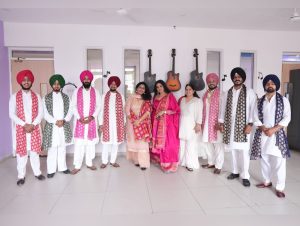
The performance brings together a multidisciplinary team led by Dr Nisha Luthra as Director. The performance team includes Dr Jagtar Singh on vocals and harmonium, Jagdev Singh on vocals and keyboard, vocalists Chahat and Rajesh Handa, Gurdeep Singh on rabab, Rajan on dholak, Navdeep Singh on flute and Karan Singh on folk instruments.
The production and technical team comprises Divya Sharma, Production Head, Sunil Singh handling lights execution and Chetan Raghav overseeing projections.
Together, the team reflects the central idea behind the project: that music, poetry, storytelling and performance can create a shared space where cultural memory meets personal reflection.
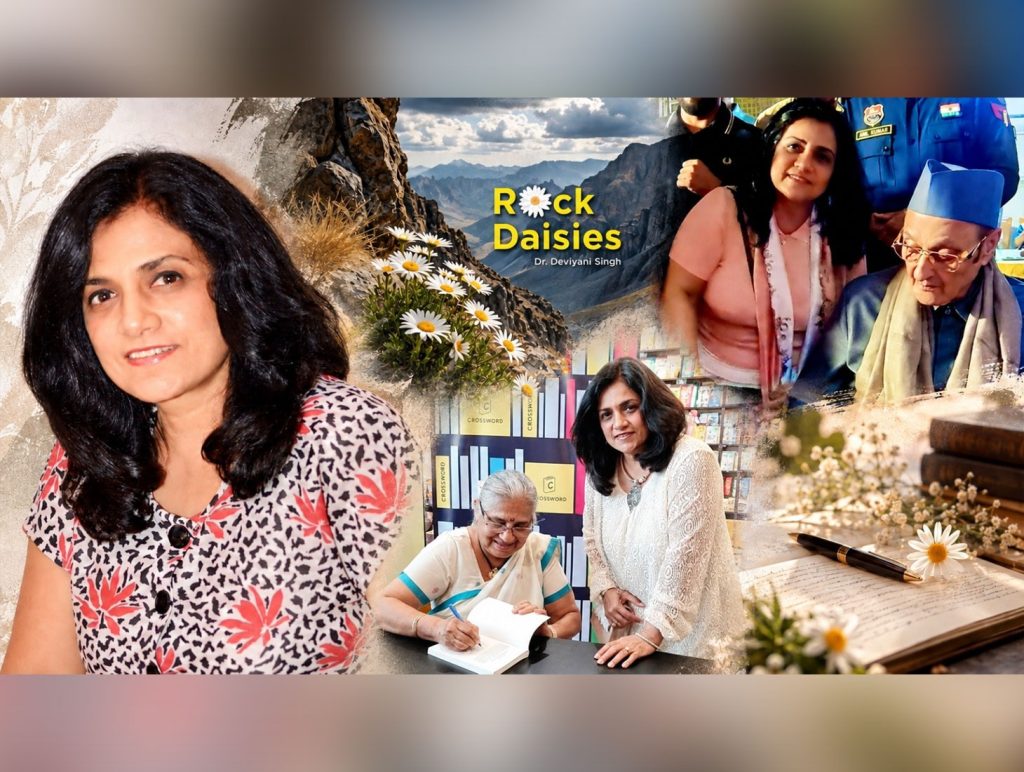
From childhood poetry to academia, Parliament and family responsibilities, Dr Deviyani Singh brings the…
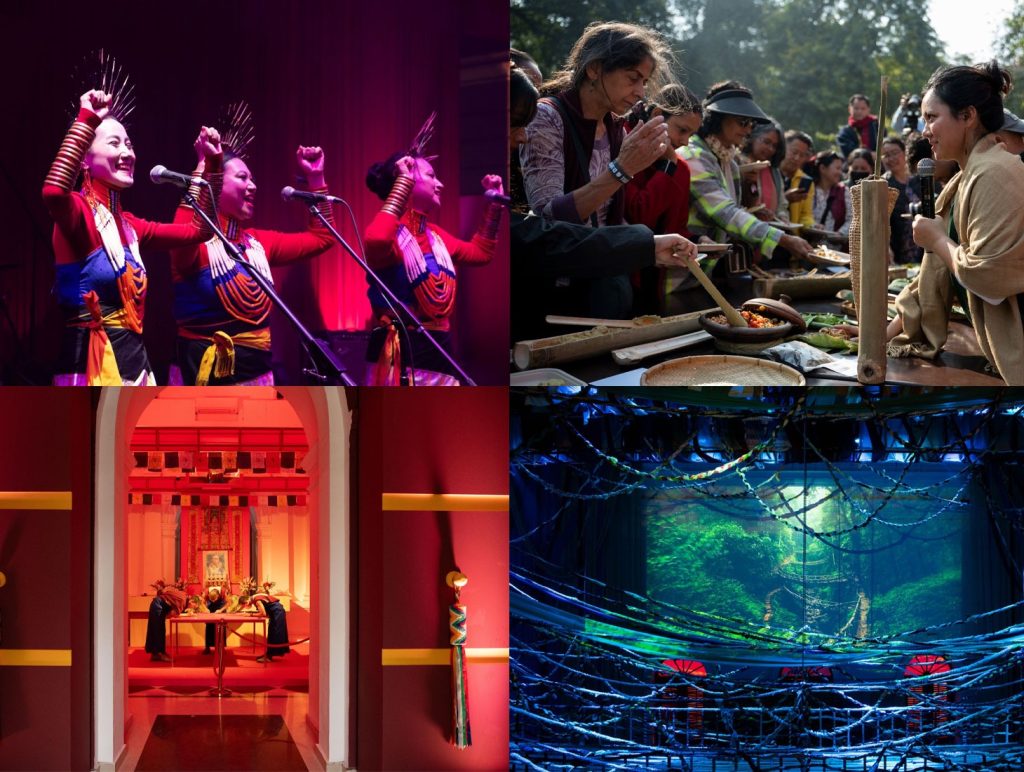
Third edition to feature art, music, food, films, workshops and exhibitions from December 3 to…
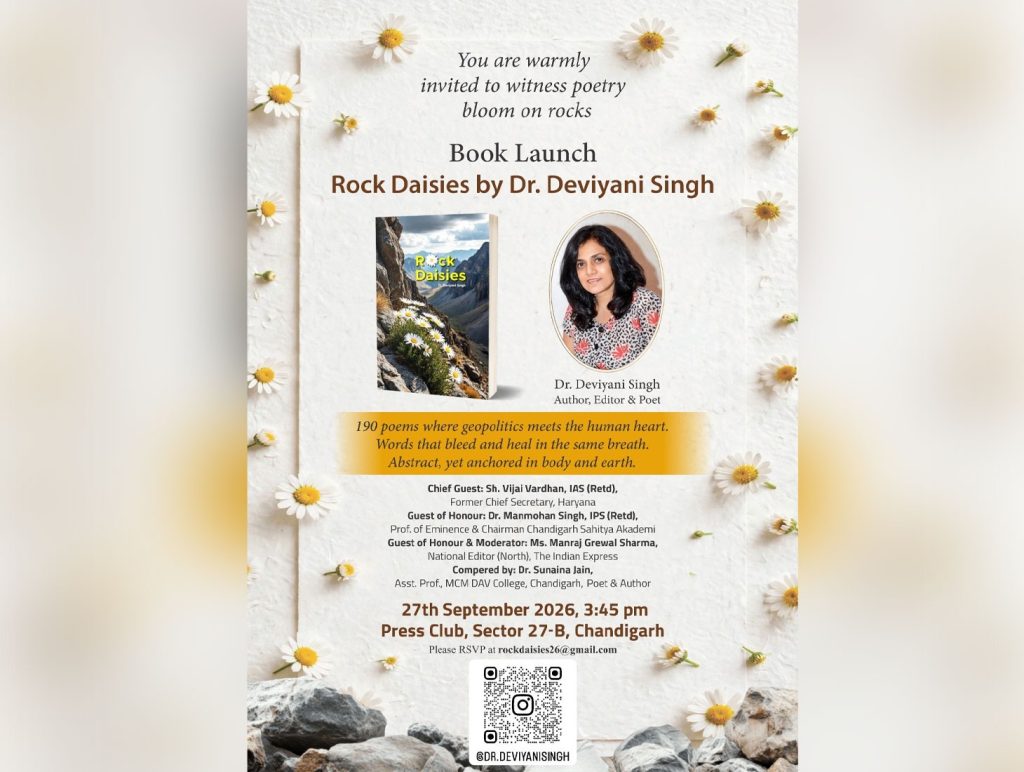
Writer and academic Dr Deviyani Singh, former Delhi University faculty member and Lok Sabha Secretariat…
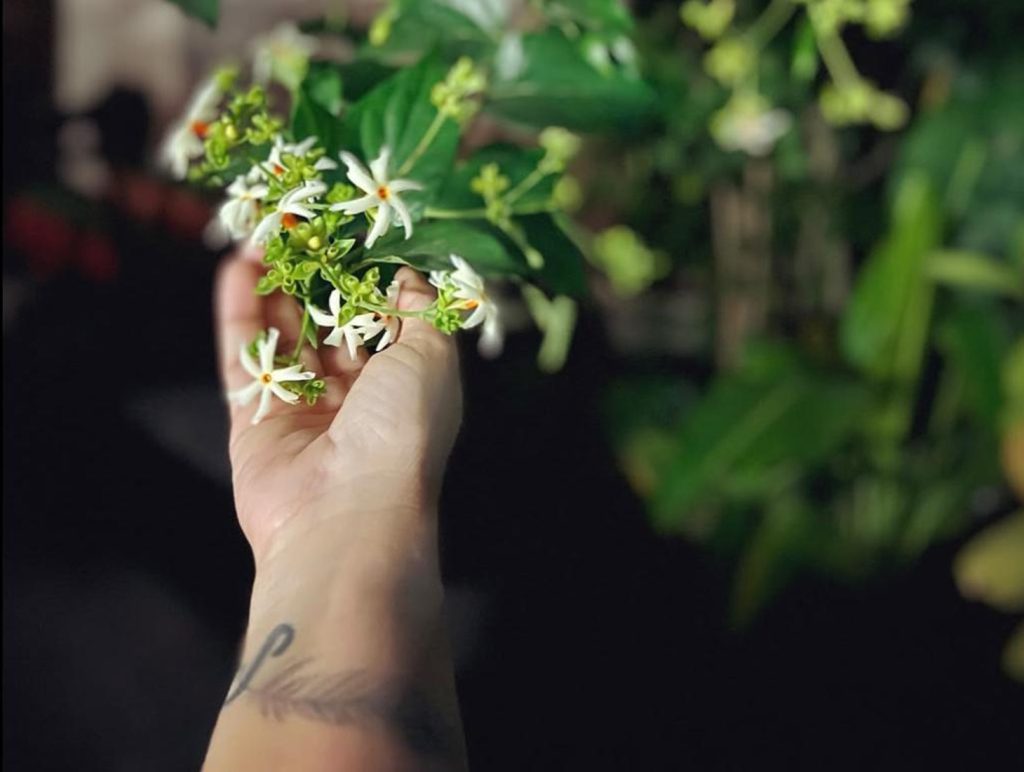
The gods kept these white and coral hued flowers exclusively for themselves until Lord Krishna…