






 The North News
Chandigarh, May 15
Indian National Congress in Haryana will organise district-level protests against the recent increase in petrol and diesel prices, party leaders announced on Friday, accusing the BJP-led central government of increasing the financial burden on common citizens.
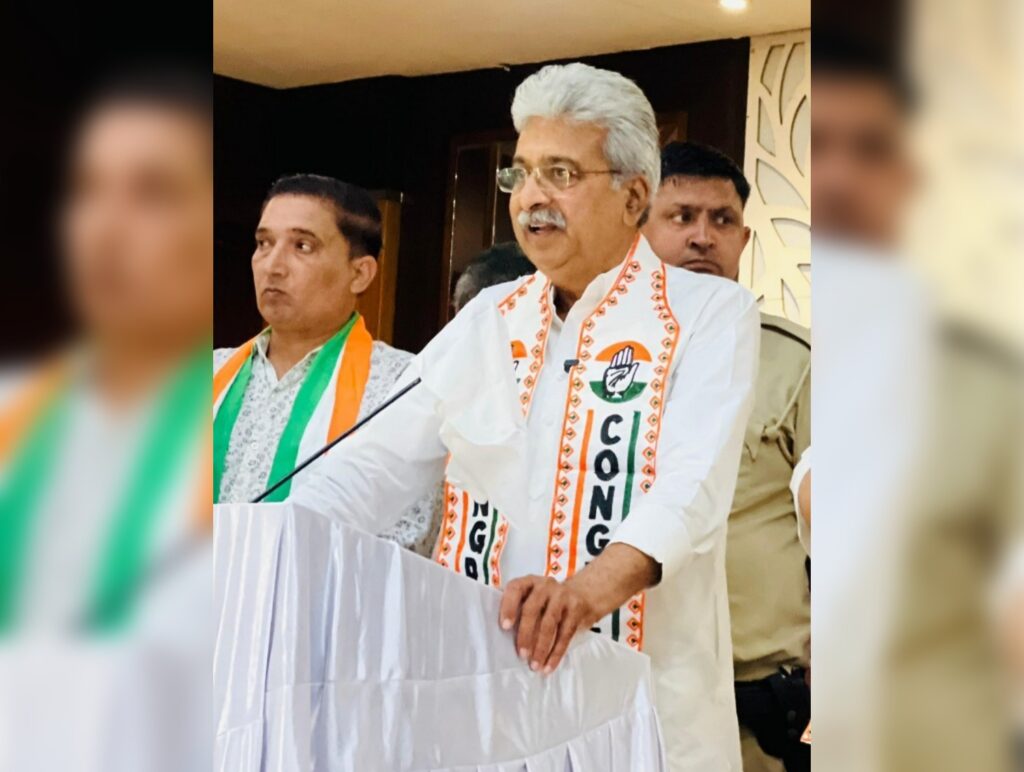
Haryana Congress president Rao Narender Singh criticised the continued rise in fuel prices and alleged that the Centre’s policies were worsening inflation and affecting household budgets across the country.
He said instructions have been issued to all District Congress Committee presidents to organise protest demonstrations at district headquarters between May 18 and May 20. Memorandums addressed to the President of India will also be submitted, demanding a rollback of the recent fuel price hike.
Petrol and diesel prices were increased by Rs 3 per litre on Friday, marking the first revision in fuel rates in more than 4 years amid rising global crude oil prices and rising losses for fuel retailers.
Singh said the increase in diesel prices would directly impact transportation costs and lead to higher prices of essential commodities. “Higher transportation expenses for trucks and goods carriers make fruits, vegetables, milk, grains and daily use items more expensive, directly affecting poor and middle-class families,” Singh said in a statement.
He further stated that rising fuel prices were also increasing fares of auto rickshaws, buses and taxis, making travel more expensive for ordinary citizens. Maintaining private vehicles was also becoming difficult for common households, he added.
The Haryana Congress chief said the agricultural sector was facing additional pressure due to rising operational costs of diesel-powered tractors, tube wells, and irrigation pumps, which were increasing farming expenses and pushing farmers into financial distress. He alleged that while the BJP government speaks about doubling farmers’ income, its policies were instead increasing their expenditure and debt burden.
Singh also said industrial and business sectors were being affected because higher transportation costs for raw materials and finished products were increasing production expenses, with consumers ultimately bearing the burden.
He claimed inflation had affected every household, with rising kitchen expenses and increased spending on education and healthcare, even as incomes remained stagnant. Singh demanded that the Centre immediately reduce taxes on petrol and diesel to provide relief to the public and help control inflation.
Trust marks 20 years of service with welfare, youth and education initiatives Panchkula, September 12…

Campaign to run from September 17 to October 17 with public outreach programmes Panchkula, September…
Blood donation camps, cultural events and ‘Seva Jyoti Kalash’ yatras planned Panchkula, September 9 Haryana…
Commissioner Pankaj Nain reviews roofs, drains, records, seized vehicles & stable Panchkula, September 8 Panchkula…