






 The North News
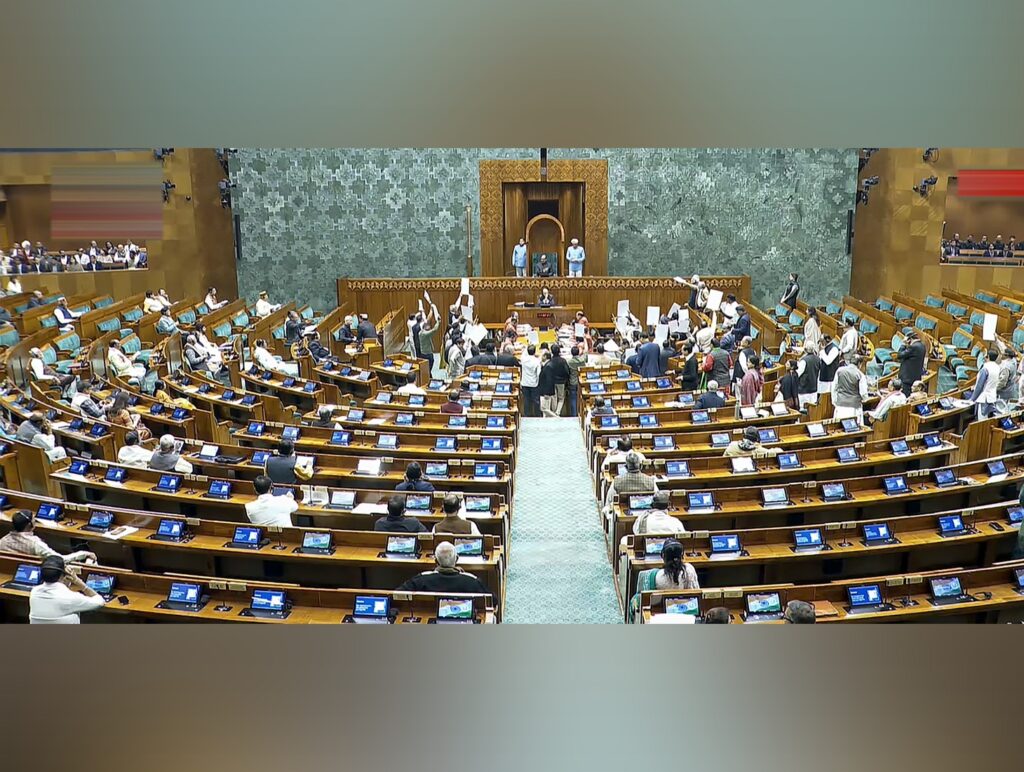
The ruling National Democratic Alliance (NDA) faces a significant parliamentary challenge in passing the Women’s Reservation Bills, as it lacks the required two-thirds majority needed to amend the Constitution.
In the Lok Sabha, the NDA holds 293 seats (54%), while the opposition holds 233 seats. However, passing a Constitutional amendment requires 360 votes — two-thirds of members present and voting. This means the NDA falls considerably short and would need support from at least two major opposition parties, such as the Samajwadi Party (37 MPs), Trinamool Congress (28 MPs), or DMK (22 MPs), or alternatively engineer their abstention.
Key Party Positions
The BJP alone holds 240 Lok Sabha seats, supported by allies TDP (16) and JDU (12). On the opposition side, Congress leads with 98 MPs. Several smaller parties — including YSRCP, AIMIM, and Shiromani Akali Dal — have not yet declared their stance, adding further uncertainty.
Situation in the Rajya Sabha
In the upper house, the NDA holds 141 seats (58%), while the opposition has 83. The magic number here is 163 votes for a two-thirds majority. Swing parties like BRS, BJD, BSP, and independents, holding around 20 seats, could prove decisive. Even BJP insiders have privately acknowledged that the numbers are not in their favour.
Constitutional Requirements
Amending the Constitution demands a special majority in both Houses — over 50% of total membership and two-thirds of members present and voting. With 540 members currently in the house, 360 affirmative votes are needed.
Bills Introduced Amid Debate
Despite the numerical uncertainty, three bills were introduced in the Lok Sabha — the Constitution (131st Amendment) Bill, the Delimitation Bill, and the Union Territories Laws (Amendment) Bill. The Constitutional Bill was introduced after a fiery debate, passing with 251 votes in favour and 185 against.
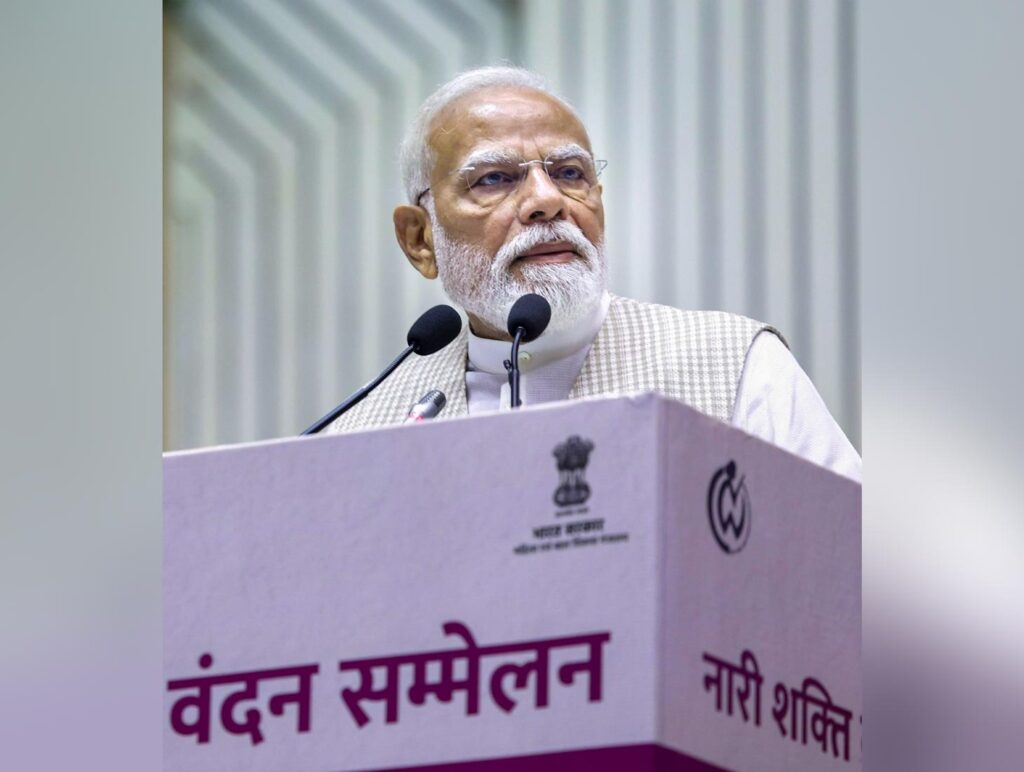
Prime Minister Modi appealed to all parties for support, offering a symbolic “blank cheque” of credit to those backing the legislation.
Devastating floods along the Nepal-Tibet border, reportedly killed 270 people so far, have once again…

Jabalpur, June 26 The Madhya Pradesh High Court on Thursday dismissed a defamation case against…
New Delhi, June 25 Prime Minister Narendra Modi on Thursday described the Emergency imposed in…
The Centre government has said that a passport has never been considered conclusive proof of…