





 Dr Kiran Deep
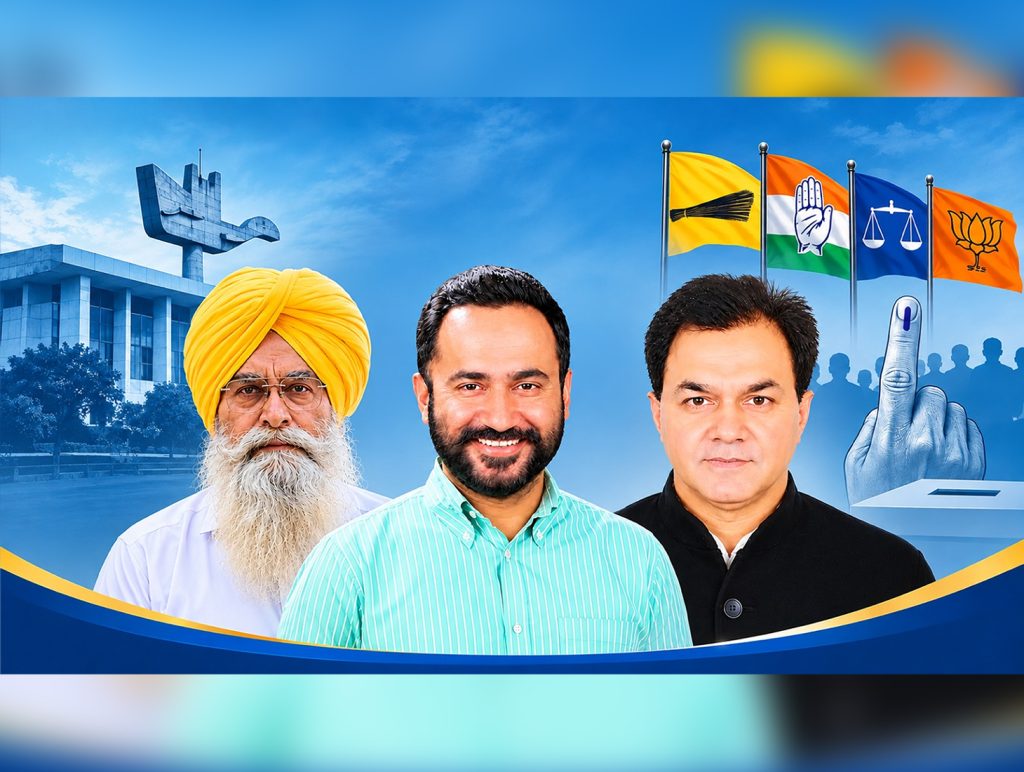

The Aam Aadmi Party’s second list of candidates for the 2027 Punjab Assembly elections has thrown up several surprises, not least the decision to drop Agriculture Minister Gurmeet Singh Khudian, the man who defeated Shiromani Akali Dal stalwart and former Chief Minister Parkash Singh Badal from Lambi in the 2022 elections.
There is a practical advantage in announcing candidates early. They get more time to establish contact with voters, understand local concerns, organise their teams and prepare for the long campaign ahead. AAP, as the party in power, also has the advantage of having its Chief Minister and Cabinet colleagues in the public domain through official programmes and government functions. But the distinction between government activity and party campaigning will remain important as the election approaches.
The question is whether an early start can translate into a political advantage at the ballot box. That will depend on much more than the number of candidates announced.
Khudian victory against Badal has carried considerable political significance. Badal had represented the constituency for decades and his defeat was seen as one of the most striking moments of that election. Yet, despite that achievement, Khudian has not found a place in the party’s latest list for the same constituency. AAP has instead nominated his nephew, Randhir Singh Dhira Khuddian.
There has been speculation within political circles about Khudian’s equation with senior AAP leader and Punjab in-charge Manish Sisodia. Whether that played any part in the decision remains unclear. For Khudian, the immediate question is whether the party will consider him for another constituency, including Maur in Bathinda district. His replacement in Lambi, however, has already sent a message that past electoral victories do not necessarily guarantee political continuity in the ruling party.
The second list, comprising 31 candidates, takes AAP’s announced tally to 71 of Punjab’s 117 Assembly seats. The party had released its first list of 40 candidates on October 31. In doing so, it has moved considerably faster than the Congress, the SAD, the BJP and smaller political formations in declaring its nominees.
Another striking feature of the two lists is the decision to field two members of the same family from different constituencies. Sitting MLA Dr Ishank Chabbewal has been nominated from Chabbewal in the first list, while his father, Lok Sabha MP Raj Kumar Chabbewal, has been named from Phagwara in the second.
The move has also brought two sitting MPs into the Assembly contest. Raj Kumar Chabbewal represents Hoshiarpur in the Lok Sabha, while Sangrur MP Gurmeet Singh Meet Hayer has been fielded from Barnala.
Meet Hayer’s candidature is particularly significant. A former Sports Minister and a two-time MLA from Barnala, he is among the party’s prominent younger leaders. His return to the Assembly contest raises questions about the party’s plans for its parliamentary representation, but it also underlines the importance AAP appears to attach to familiar political faces in constituencies where its candidates will be expected to lead the campaign.
The list has not been merely about bringing in new faces. It has also been about making difficult choices. Besides Khudian, AAP has replaced six other sitting MLAs, including two former ministers.
Anmol Gagan Maan has been dropped from Kharar, Laljit Singh Bhullar from Patti, Dr Charanjit Singh from Chamkaur Sahib, Amit Rattan Kotfatta from Bathinda Rural, Kulwant Bazigar from Shutrana and Raman Arora from Jalandhar Central.
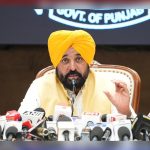
For AAP, the early announcement of 71 candidates offers an opportunity to begin constituency-level campaigning well before some of its rivals have settled their choices. Chief Minister Bhagwant Mann has already been named from Dhuri in the first list, while jailed former minister Sanjeev Arora has also been included. The party will now have to ensure that its nominees are not simply names on a list but candidates with a functioning organisation behind them.
There is, however, another side to the story. The party has suffered a political setback with the departure of three prominent leaders, Kunwar Vijay Pratap Singh, Chetan Singh Jouramajra and Harmeet Singh Pathanmajra, who joined the Bharatiya Janata Party earlier this month. Their exits came after the release of AAP’s first list and added to the questions surrounding the party’s internal management.
The defections may not automatically translate into electoral gains for the BJP but they have given the opposition an opportunity to highlight discontent within the ruling party. For AAP, the challenge is to prevent individual departures from becoming a wider narrative about dissatisfaction among its leaders and workers.
The Congress, meanwhile, has begun to put its organisational machinery into motion. Punjab in-charge Sachin Pilot has been holding meetings with party leaders as the Congress attempts to project unity and prepare for the Assembly contest. Rahul Gandhi has already addressed a rally in Sangrur, while Priyanka Gandhi Vadra is expected to address a rally as part of the party’s campaign.
Yet, the Congress has a familiar problem to confront. Its leaders can share a platform and speak about collective strength, but the differences among various groups have not always remained hidden. The party will need more than rallies and public displays of unity to convince voters that its leadership is working together with a common purpose.
The Shiromani Akali Dal, too, has been preparing for the election for several months. Sukhbir Singh Badal has been travelling across Punjab, reaching out to party workers and attempting to bring estranged leaders back into the organisation. The return of former MP Prem Singh Chandumajra, along with his son Harinderpal Singh Chandumajra, is part of that effort.
For the Akali Dal, the return of familiar faces is important at a time when the party is trying to rebuild its political base and reconnect with sections of its traditional support. But the larger question remains whether organisational consolidation can translate into a broader revival.
The BJP, for its part, has been trying to expand its political presence in Punjab. The visits of Prime Minister Narendra Modi, Union Home Minister Amit Shah and other senior party leaders have underlined the importance the party attaches to the state. Its organisational efforts, including those involving the RSS, suggest that Punjab is receiving sustained attention from the party leadership.
There is also growing speculation about a possible BJP-SAD alliance. Reports suggest that discussions between the two parties have reached an advanced stage, with a formal announcement being considered within November. Such an arrangement, if finalised, would alter the political calculations ahead of the Assembly elections. The two parties will, however, have to settle questions of seat-sharing and reconcile their respective political interests.
Punjab’s 2027 election is therefore beginning to take shape much earlier than the formal campaign season. AAP has put a substantial part of its candidate list in the public domain, the Congress is trying to organise its leadership, the Akali Dal is working towards bringing back estranged leaders, and the BJP is investing in its state-level organisation while exploring an alliance.
The AAP’s early announcement gives it time, but time alone does not win elections. Dropping a minister who defeated a former Chief Minister, replacing sitting MLAs and fielding two MPs may demonstrate a willingness to take difficult decisions. It also creates expectations that the new candidates will justify the confidence placed in them.
Ultimately, Punjab’s voters will judge the parties not by how early they announced their candidates or how many rallies their leaders addressed, but by their record in government, the credibility of their promises and their ability to respond to the concerns of ordinary people.
The real test for AAP will be whether its early start becomes an organised campaign on the ground, or whether the surprises in its candidate lists turn into fresh political complications.

The firing outside actor Tiger Shroff’s residence has renewed a troubling question. Is Lawrence Bishnoi…

Risks of exposing illegal mining on screen and in real life Watching Reporting Live on…
Sachin Pilot has brought rival leaders together, but public displays of unity must translate into…

Salian’s family asks the CBI to summon the former NCB Zonal Director as a key…