








 The North News

Chandigarh, May 27
The Resource Centre for Tobacco Control at Postgraduate Institute of Medical Education and Research, in collaboration with Vital Strategies, organized the 6th National Summit on World No Tobacco Day 2026 under the theme “Unmasking the Appeal Countering Nicotine and Tobacco Addiction.” The summit brought together policymakers, researchers, clinicians, public health experts, and youth advocates to deliberate on the growing challenge of tobacco and nicotine addiction, particularly among young people and vulnerable groups.
The event attracted more than 600 delegates from 29 states and over 12 countries, making it one of the country’s largest platforms focused on tobacco control. Experts from leading organizations, including the World Health Organization, Johns Hopkins University, Flinders University, and the University of California, San Francisco, participated in panel discussions and policy sessions focused on global tobacco control measures and India’s 2030 priorities.
Prof. Sonu Goel highlighted concerns over emerging nicotine products, flavored tobacco items, and digital marketing campaigns targeting young consumers. He said the tobacco industry continues to adapt its strategies through deceptive messaging and promotional tactics aimed at increasing nicotine use among youth. He stressed the need for stronger laws and collective public health action to counter the growing challenge.
Dr. L. Swasticharan said tobacco and nicotine addiction continue to pose serious threats to India’s public health and economic productivity. He emphasized the importance of evidence-based policies, inter-sectoral collaboration, and awareness campaigns to protect future generations. He also pointed out that smokeless tobacco consumption remains widespread in the country, with thousands of flavored variants increasing the appeal of such products.
Public health expert Dr. P. C. Gupta said India has made notable progress in tobacco control, but warned that new age nicotine products and continued industry interference require stricter enforcement and sustained advocacy efforts. He noted that peer-reviewed studies indicate adolescents are increasingly aware of nicotine products due to aggressive marketing and product visibility.
International experts from Action on Smoking and Health, WHO collaborating centers, and global tobacco control organizations also raised concerns over the normalization of nicotine use through sophisticated marketing strategies. The experts collectively called for stronger tobacco control policies, enhanced enforcement mechanisms, wider public awareness, and greater youth engagement to prevent future generations from falling into nicotine addiction.
The summit concluded with a renewed call for coordinated action by governments, healthcare institutions, civil society organizations, and policymakers to strengthen tobacco control measures and work towards a tobacco-free future.

Affordable ride options shrink; all four major app-based taxi services now without valid licences Chandigarh,…
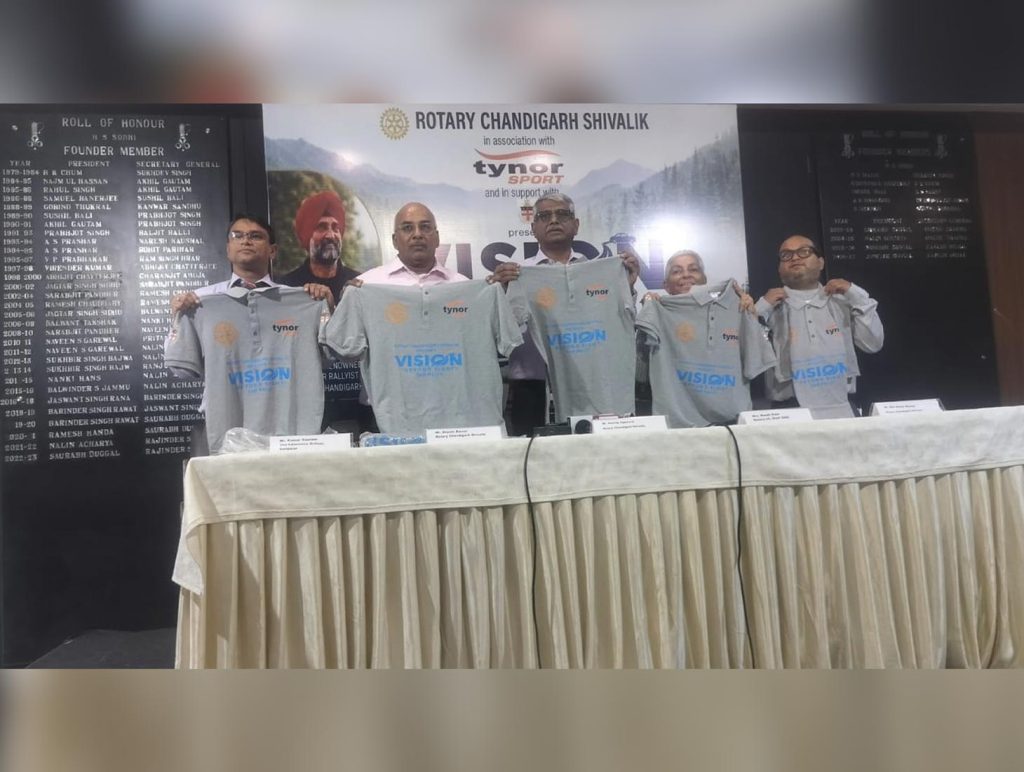
Around 45 participants are expected to take part in the TSD-format rally to be held…

Six gang leaders and a two gang format bring fresh rivalries, strategic challenges and greater…

Punjab Governor Gulab Chand Kataria congratulates Justice Mishra, wishes him successful tenure Chandigarh, September 7…