








New Delhi, April 18
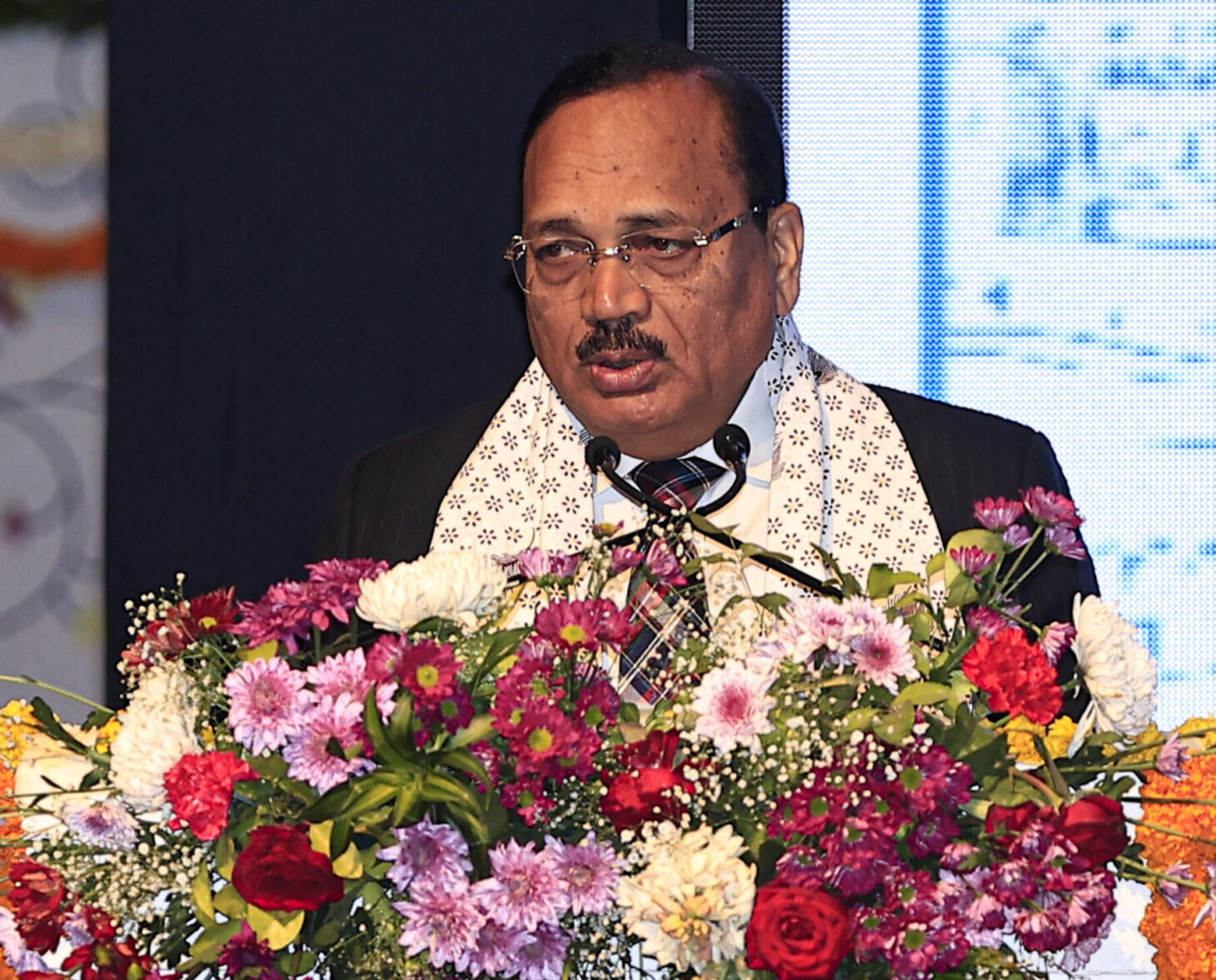
Chief Justice Surya Kant on Friday urged judges to embrace artificial intelligence without fear, while warning that technology must never replace human judgement at the heart of the justice system. Speaking at a judicial conference in Karnataka, the Chief Justice said AI should be treated as a supportive tool rather than a decision-maker. The Supreme Courts, he noted, must strike a careful balance between using technology to improve efficiency and preserving the experience, reasoning, and constitutional values that guide judicial thinking.
At the event, themed around reimagining courts in the age of AI, Justice Kant reassured judicial officers that adapting to new tools is part of their evolving role. He compared the use of AI to handling complex cases, in which judges invest more time and thought before arriving at a decision.
“Do not be afraid of AI,” he said, adding that careful and conscious use would ensure that a judge’s independence remains intact. The conference, organsed by the Karnataka State Judicial Officers Association, was attended by several senior figures, including Siddaramaiah and Supreme Court judges B V Nagarathna and Aravind Kumar. Justice Kant highlighted the potential benefits of AI, saying it could assist with legal research, case management and handling large volumes of data—freeing up time for judges to focus on decision-making.
However, he cautioned that AI systems rely on patterns and existing data, and cannot grasp the ethical or social dimensions that often shape judicial outcomes. “Judging is not just analytical—it is reflective and rooted in constitutional principles,” he said. He also raised concerns about inaccuracies produced by AI, including fabricated legal precedents and incorrect citations. Such errors, often described as “hallucinations”, could undermine trust in the judicial process if left unchecked.
The Chief Justice further warned that misuse of AI tools could lead to misleading or poorly grounded legal filings, placing additional strain on an already burdened court system. His remarks underscore a growing debate within India’s judiciary on how to responsibly integrate new technologies while safeguarding the integrity of legal decision-making.