Spread the news

Dialogue remains the most powerful instrument to resolve a public movement. The Centre governments may restore temporary order through the police but lasting solutions emerge only through listening, engagement and trust building. The Centre appears to have realised this lesson late in its handling of the student protest over the NEET-UG paper leak, but its decision to finally open talks with the protesters is a welcome step.
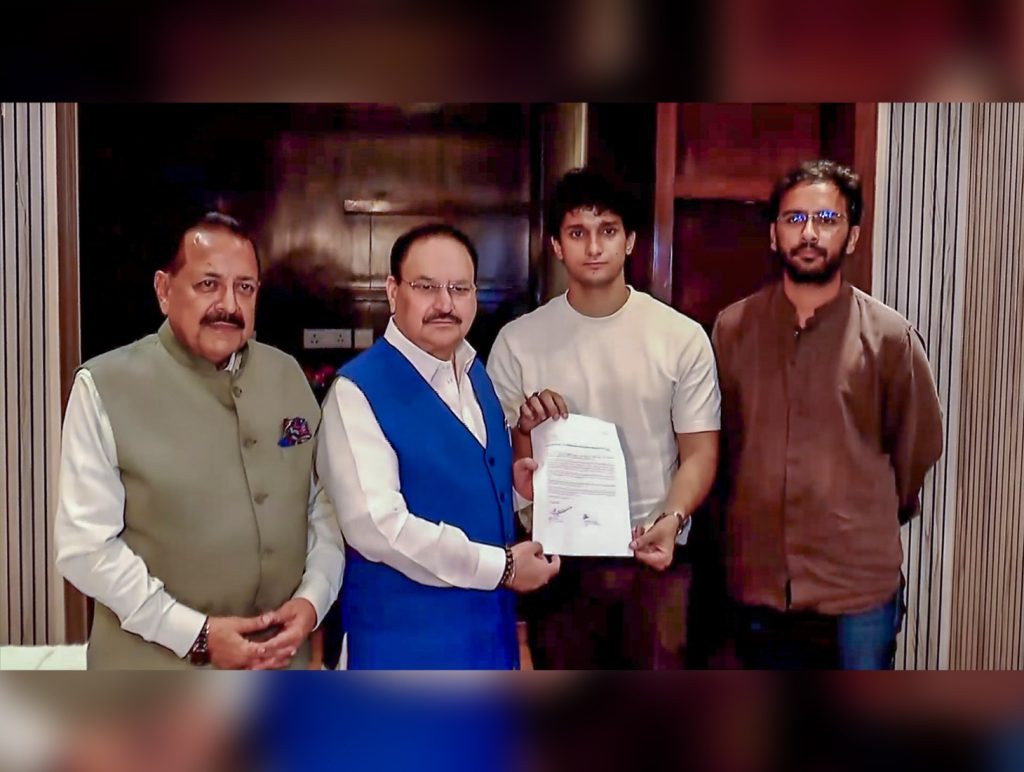
After weeks of demonstrations at Jantar Mantar, the protest entered its seventh week when the government initiated serious discussions with student representatives. Union ministers J.P. Nadda and Jitendra Singh met leaders of the Cockroach Janta Party (CJP) in New Delhi and made an important shift from confrontation towards conversation.
According to CJP spokesperson Saurav Das, the organisation conveyed to the ministers that its demand for the resignation of Union Education Minister Dharmendra Pradhan was non-negotiable. The protesters have also demanded compensation for families of students who allegedly lost their lives in connection with the examination controversy and withdrawal of cases registered against protesters. The ministers, meanwhile, assured the representatives that their concerns had been heard and that the government would respond after further consideration.
The opening of dialogue is undoubtedly a positive development. However, the bigger question remains, why did the Centre wait for weeks before reaching out to the protesting students and other voices associated with the movement?
The delay raises questions about the government’s assessment of the situation. A protest that continued to grow, attracted support from students, parents and sections of civil society, and generated widespread discussion on social media should not have been underestimated. The anger surrounding examination irregularities was visible, and a quicker political response could possibly have prevented the situation from escalating.
The episode also highlights the absence of effective intelligence and administrative assessment to evaluate the situation. Public dissatisfaction, especially among young people preparing for competitive examinations, can quickly develop into a larger movement when people feel their concerns are not being heard.
However, by the time dialogue began, the protest had moved beyond a single demand. It had become wider debate about transparency, accountability and confidence in India’s examination system. For millions of students, competitive examinations are not merely tests but they represent years of preparation, dreams and hopes for a better future. Any allegation of unfairness naturally creates deep anxiety among them and their families.
The Centre now needs to act with urgency because the protest is no longer limited to a group of students. Political parties across the opposition spectrum have extended support, while people from different sections of society have joined the demonstrations. Several farmers’ organisations and youth groups have also expressed solidarity with the movement.
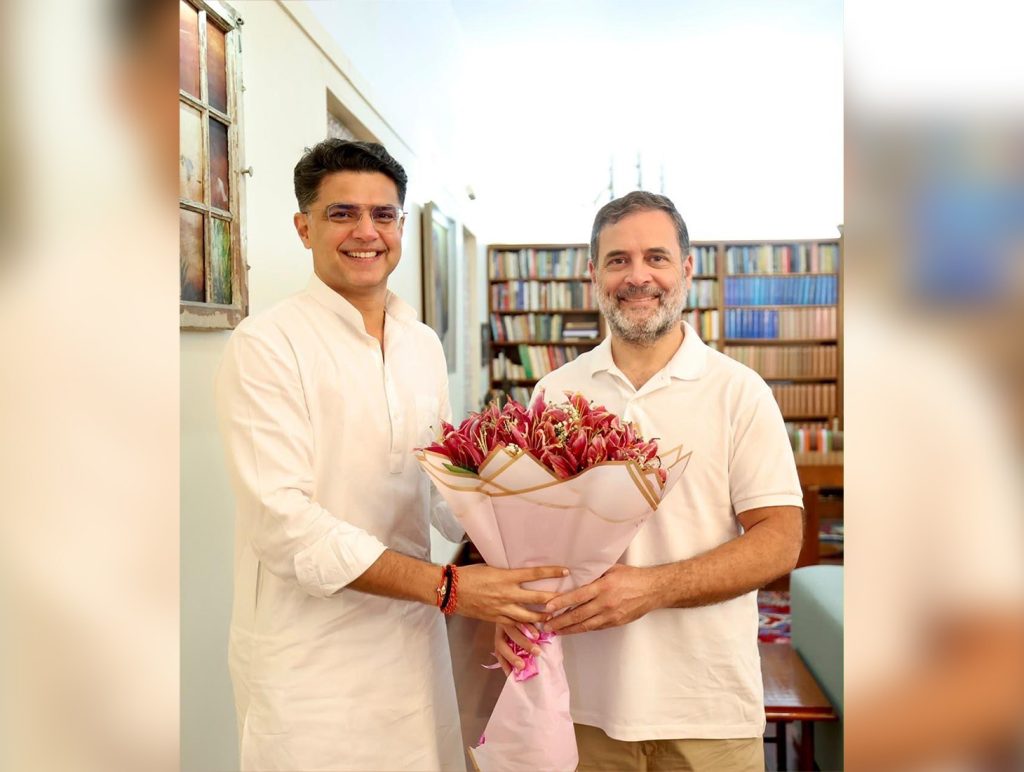
The growing public participation has increased the political significance of the issue. Opposition parties, including Congress, the Aam Aadmi Party, the Samajwadi Party and the Trinamool Congress, have criticised the government’s handling of the controversy. Congress leader Rahul Gandhi also joined protests, giving the issue greater national visibility.
However the students protest cannot be viewed only through political lens. The presence of parents, students and ordinary citizens at protest sites reflects broader concern about trust in institutions. When examination systems are questioned, the impact is felt across society.
The Centre outreach also included engagement with activist Sonam Wangchuk, who ended his hunger strike after receiving assurances from Union ministers. The discussions included concerns about protesters, compensation for affected families and the need to address failures in the examination system.
However, the students at Jantar Mantar decided to continue their protest, maintaining that their primary demand regarding the Education Minister remained unresolved.
Prime Minister Narendra Modi’s address to students was another attempt to directly communicate with young people. He described the paper leak issue as deeply painful for students and their families and assured strict action against those responsible. He also announced steps towards stronger laws and faster legal action against examination-related offences.
These assurances are important but rebuilding confidence will require more than announcements. Students are demanding accountability and transparency, not only punishment after irregularities occur. The government must demonstrate that the examination system is capable of protecting the aspirations of millions of young Indians.
The most unfortunate moment of the protest came during the July 20 “Sansad Chalo” march, when clashes broke out between protesters and police. The situation turned violent, when students and security personnel also injured. Allegations of excessive police action and accusations of violence by protesters have both emerged.
Such confrontations underline why timely dialogue is essential. If communication channels had been opened earlier, the escalation that led to clashes and injuries might have been avoided. Democratic governments must recognise that engaging with protesters is not sign of weakness, rather it reflects confidence in democratic values.
The issue has now also reached the judiciary, with petitions alleging police excesses during the protests being considered by the Supreme Court. This is not all, at the same time, continued restrictions and disruptions around protest locations have affected commuters and daily life in the capital, adding urgency to finding a resolution.
Late, but the Centre did the right thing by finally choosing dialogue over prolonged confrontation. But the delay has made the situation more complicated than it needed to be. The government must now move beyond initial talks and address the concerns at the heart of the movement.
Whether the demand for the resignation of Education Minister Dharmendra Pradhan is accepted remains a political decision for the government. However, accountability, transparency and restoring faith in the examination system cannot be avoided.
The larger lesson from this episode is clear, the Centre cannot afford to ignore public concerns until protests become too large to overlook. Dialogue is most effective when it begins early, before frustration turns into confrontation.
The challenge now is to ensure that this dialogue leads to a meaningful resolution and restores the confidence of millions of students who depend on the fairness of India’s education system.







 Dr Kiran Deep