








 The North News
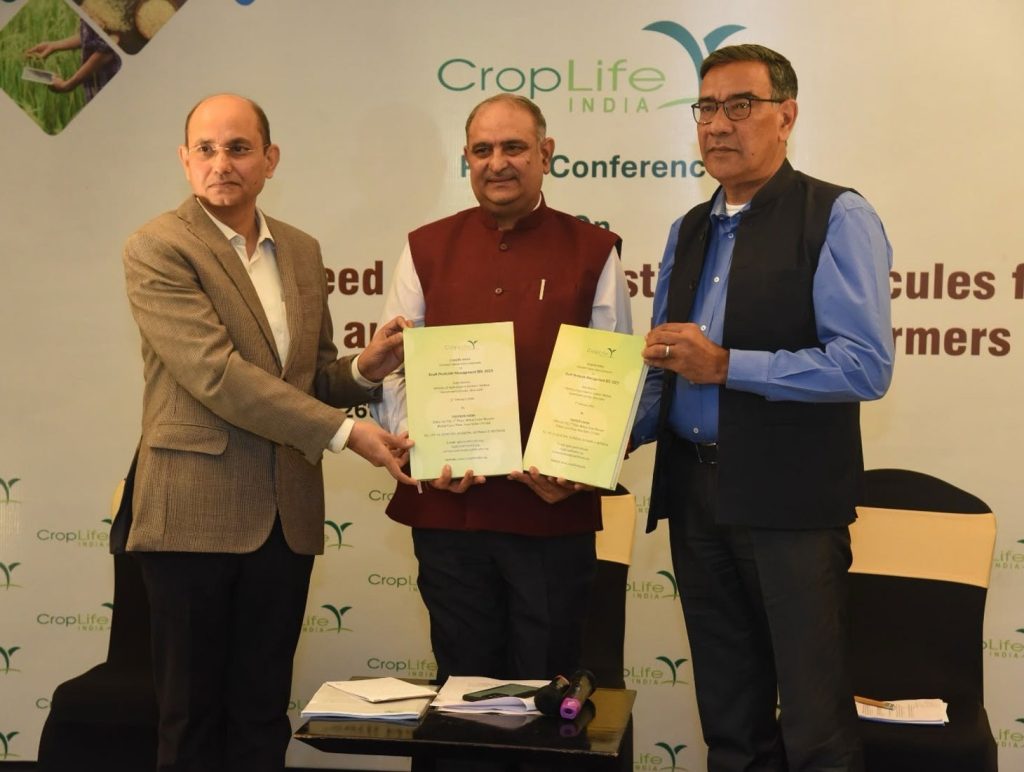
Basmati farmers in Punjab and Haryana need faster access to newer crop protection molecules to safeguard crops and meet stricter international pesticide residue limits, experts said at a press conference in Chandigarh on Thursday.
Prof B R Kamboj, Vice Chancellor of Chaudhary Charan Singh Haryana Agricultural University, and Rajvir Rathi, Vice Chairman of CropLife India, called for faster regulatory approvals for newer molecules. CropLife India also sought five years of regulatory data protection under India’s pesticide laws.
Kamboj said Europe had reduced residue limits for some older chemicals to 0.01 mg per kg, while changing pest and disease patterns were making commonly available chemical solutions less effective.
“Newer chemistry is used in grams rather than litres and is rigorously tested before it is recommended,” Kamboj said, emphasising the need to make such technologies available to Indian farmers.
Punjab and Haryana account for about three-quarters of India’s basmati production, while nearly 70 per cent of the country’s basmati exports go to West Asia. Experts said access to high-value markets such as Europe could help diversify export destinations.
According to CropLife India, Indian farmers have access to around 390 crop protection active ingredients, compared with nearly 1,200 available globally. The association said newer molecules often reach India late due to the absence of regulatory data protection.
CropLife India said companies spend six to eight years and Rs 40-50 crore on safety studies to register a new molecule in India. It argued that five years of data protection would encourage companies to introduce newer products in the country alongside global markets.
Rathi said farmers in Punjab and Haryana should not have to wait years for crop protection technologies already available elsewhere. Durgesh Chandra, Secretary General of CropLife India, said timely access to newer molecules was essential amid evolving pest challenges and stricter international residue requirements.
The association said data protection would apply only to safety data and would not affect pesticides already available in the market. It cited six years of protection in China and 10 years in the US, European Union and Brazil.

The Bharatiya Janata Party (BJP)-Shiromani Akali Dal (SAD) alliance is set to reshape the political…
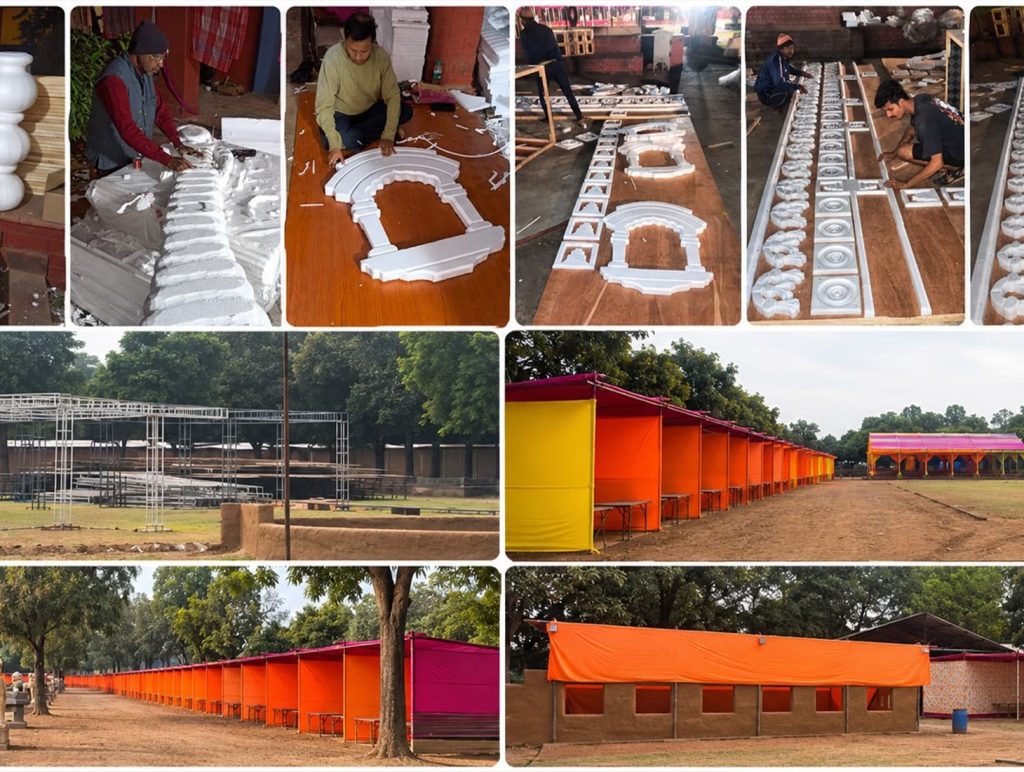
Kalagram is set to come alive with folk music, traditional crafts and cultural performances as…
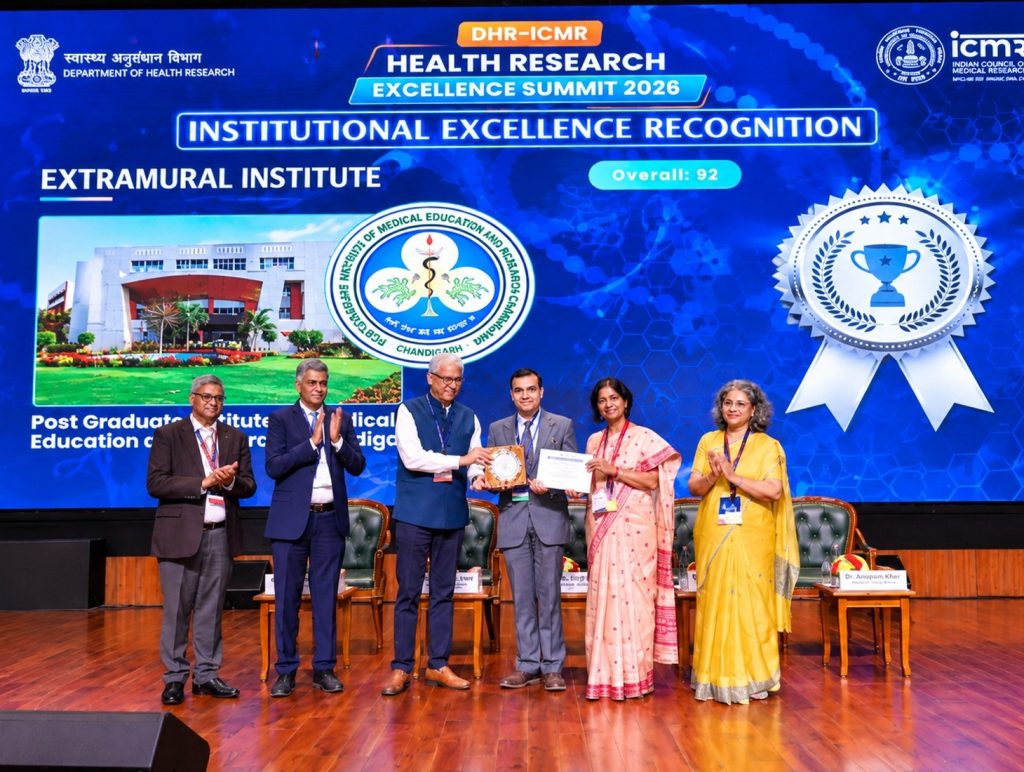
The Postgraduate Institute of Medical Education and Research (PGIMER), Chandigarh, has received the Silver category…

Three-day Chandigarh Carnival will conclude on Sunday, November 22, with a musical performance by Bollywood…