






 Disney Brar
Some souls arrive in this world carrying no riches, yet leave behind treasures that time can never diminish. Little Nanak was one such soul.
In the quiet lanes of Talwandi, where mornings arrived with the fragrance of fresh earth and the golden fields swayed with the wind, a child was growing up with a world far bigger than the one around him.
His name was Nanak.
While the world around him measured success in possessions, prosperity and position, little Nanak seemed occupied with questions that had no material answers. He looked at the sky as though searching for its creator, watched the birds as though listening to their prayers and observed people with a heart that saw beyond their identities.
There was something unusual about this child. He did not seem fascinated by how much one could possess, but by how much one could give.
One of the most cherished childhood accounts of Guru Nanak Dev Ji is the story of Sacha Sauda — the true bargain.
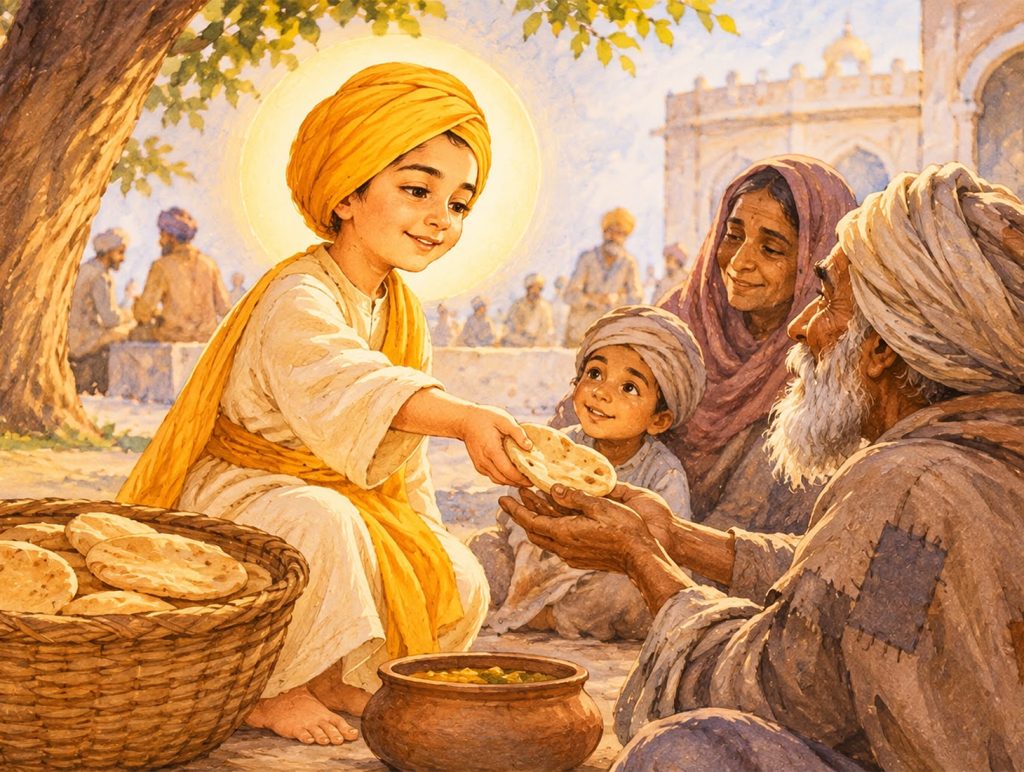
According to the traditional sakhi, his father, Mehta Kalu, once entrusted him with money and asked him to make a profitable transaction. Young Nanak set out on this errand, accompanied by Bhai Bala. But destiny, it seemed, had a different lesson waiting along the way.
On his journey, Nanak encountered hungry and needy people. Their empty stomachs spoke a language that needed no translation. Their suffering was an appeal that needed no elaborate prayer.
And the young boy made a choice.
Instead of returning with goods or material profit, he used the money to arrange food for those in need.
When he returned home, his father was disappointed. The money had been spent, and there was no merchandise to show for it.
But little Nanak had discovered a different kind of wealth.
For him, feeding a hungry person was not a failed transaction. It was a bargain that had brought something far more valuable than money could buy — the joy of another human being.
And thus, the story came to be remembered as Sacha Sauda, the true bargain.
Perhaps, in that simple act, lay the seeds of a philosophy that would one day illuminate countless lives: Naam Japo, Kirat Karo, Vand Chhako — remember the Divine, earn through honest work and share what you have.
There is a beautiful simplicity in this childhood account. A boy was given money to create wealth, but chose to create happiness instead. He understood that the worth of a coin lies not merely in what it can purchase, but in the hunger it can silence.
Centuries have passed. Empires have risen and disappeared, fortunes have been made and lost, and the meaning of success has changed with every generation. Yet the wisdom of little Nanak remains untouched by time.
In a world that teaches us to gather more, his story gently reminds us to give more. In a world obsessed with ownership, it speaks of belonging. And in a society that often looks for the divine in distant places, it reminds us that perhaps the most sacred space is the heart that feels another’s pain.
Little Nanak may have returned without a material bargain, but he left behind a lesson that generations would continue to inherit.
Because the greatest wealth is not what fills our homes, but what fills another person’s empty plate. And the truest bargain is the one in which humanity never loses.
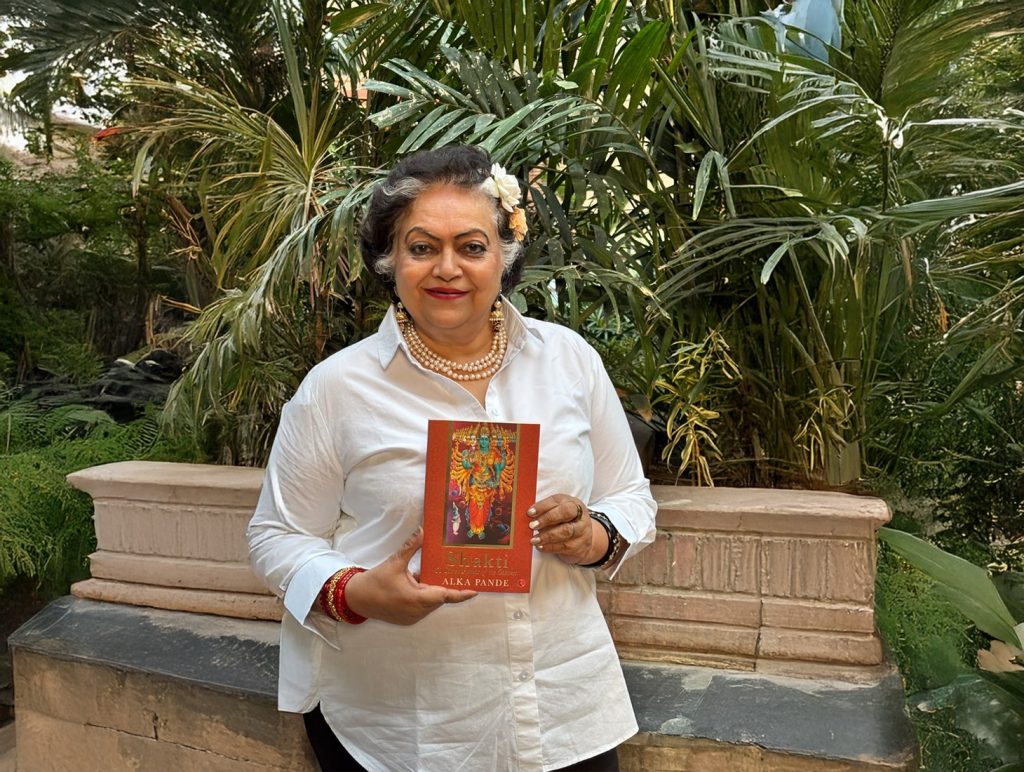
A journey through 51 sacred sites, spread across different geographical and cultural landscapes, offers a…
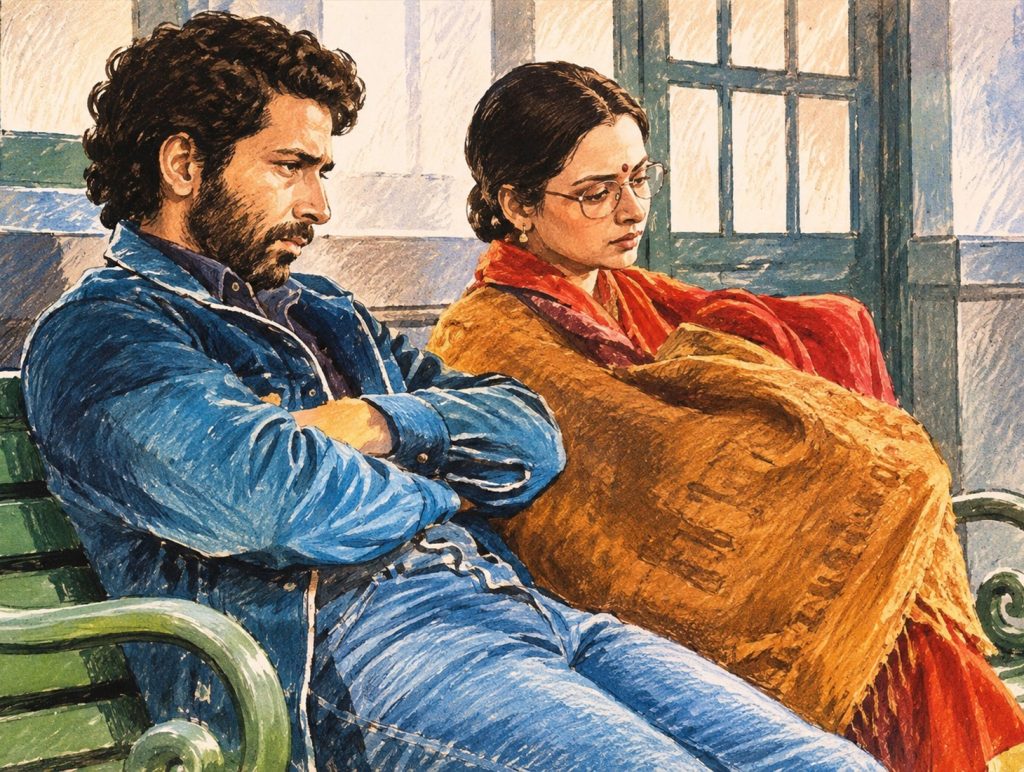
Some journeys end at a destination; others remain suspended in the memory of a conversation.…
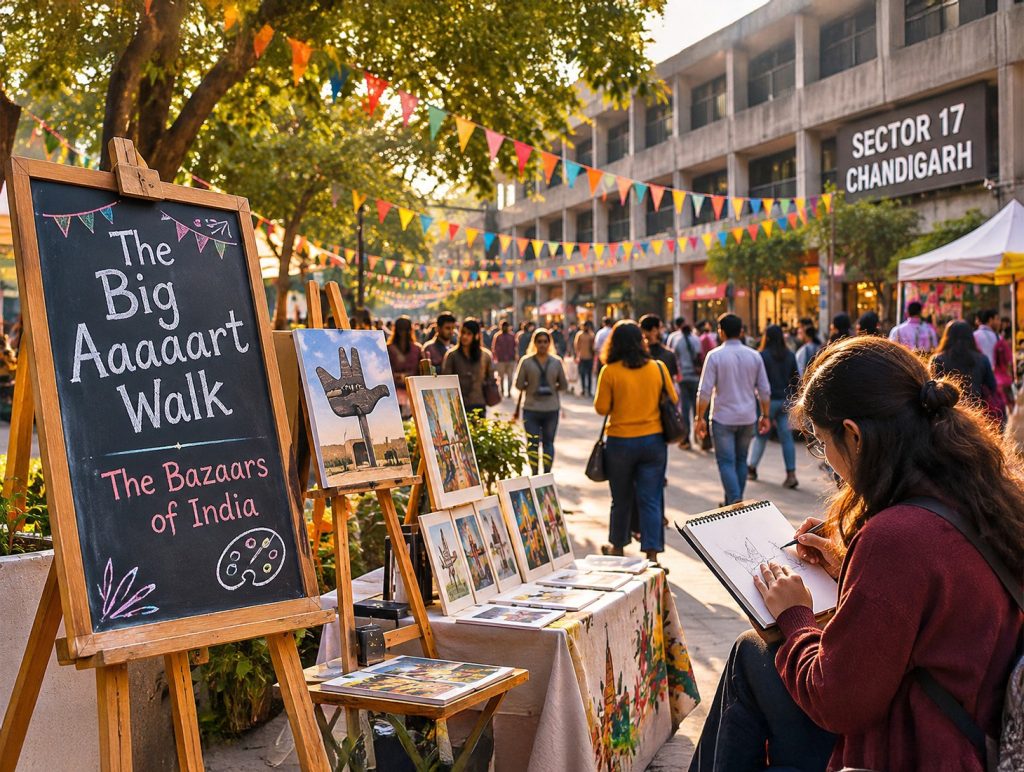
The Big Aaaaart Walk will be held at Chandigarh’s Sector 17 Market at 4 pm…

Where the Ganga flows, faith finds its way to eternity. There are places in India…