







 Dr Kiran Deep


As Punjab moves towards the 2027 Assembly elections, political activity is gathering pace. Parties are increasingly visible on the ground, leaders are making sharper attacks on their rivals and efforts to woo voters have begun to take shape. The developments of the past week offer an early glimpse of the competing strategies, alliances and ambitions that are likely to define the state’s political contest.
The BJP national president, Nitin Nabin, launched the Samrasta Sankalp Yatra from Jalandhar on November 18, an initiative that reflects the party’s attempt to broaden its social and electoral appeal in Punjab. The emphasis on social harmony and outreach to Dalits, who constitute nearly 32 percent of the state’s population, is significant. For a party that has struggled to establish itself as an independent political force in Punjab expanding its social base is not merely a political exercise but an electoral necessity.
Nabin’s visit was therefore about more than attacking the AAP government. It was also an attempt to signal that the BJP intends to approach Punjab with a wider political and social strategy. He questioned the government’s handling of law and order, accused it of worsening the state’s financial condition and alleged that Punjab’s resources were being used for political purposes outside the state. Describing the government as an “ATM for Kejriwal”, he sought to turn the state’s economic difficulties into a political indictment of the AAP leadership.
But the BJP’s ambitions cannot be viewed in isolation from the question of its possible revival of ties with the Shiromani Akali Dal. The two parties governed Punjab together for years, and their alliance was once among the defining political arrangements of the state. Their separation in 2020 over the farm laws altered the electoral landscape, but it did not dismantle the political networks, organisational structures or voter relationships built during their partnership.
Any renewed understanding between the BJP and SAD could potentially reshape the contest. Yet neither party has publicly offered definitive signal about the future of their relationship. For now the possibility remains an important political question, one that could become increasingly consequential as the election approaches.
Meanwhile, the AAP national convener Arvind Kejriwal and Punjab Chief Minister Bhagwant Mann will lead its Foundation Day rally in Moga on November 26 marking the start of preparations for the 2027 Assembly elections. The rally will also give the party a chance to showcase its strength and remind voters of the momentum that brought it to power in 2022.
The Congress has also been attempting to project unity and popular momentum. The culmination of its eight-day Jawani Sambhal Cycle Yatra in Khanna on November 19 was presented as a show of strength, with senior leaders from the national and state leadership sharing the stage. The presence of Sachin Pilot, Pawan Khera, Gurdeep Singh Sappal and Ravindra Uttamrao Dalvi, alongside Punjab Congress leaders including Pargat Singh, Charanjit Singh Channi, Amarinder Singh Raja Warring and others, was intended to convey a message that the party was moving together.
The political message was unmistakable. Congress leaders accused the AAP government of failing Punjab’s youth, allowing drugs and gangsterism to flourish and losing touch with the state’s realities. Channi said his journey across Punjab had brought him face to face with concerns over drugs, extortion and law and order. Pilot and Khera, too, attacked the government over what they described as its failure to fulfil promises and deliver the vision of a “Rangla Punjab”.
The question, however, is whether a show of unity on the stage can translate into unity in the organisation. Congress has repeatedly struggled with internal rivalries and competing ambitions in Punjab. The presence of senior leaders together is politically valuable but voters will ultimately judge the party by whether it can sustain that unity beyond rallies and campaign events.
During the Punjab Conclave held on November 18 in Chandigarh, SAD Senior leader Daljit Singh Cheema has said that the party is receiving support from different sections of society including two major farmers’ organisations. Such claims suggest that the SAD is seeking to reconnect with constituencies that once formed the backbone of its political influence. Yet the party’s electoral prospects will depend not only on claims of support but also on its ability to rebuild public confidence after years of political setbacks.
Leader of the Opposition Partap Singh Bajwa also raised questions about the balance between welfare spending and development, stressing the need for candidates with integrity, competence and a commitment to meaningful legislative work. His remarks touched upon a wider concern about the quality of political representation, democratic accountability and the ability of elected legislators to address the increasingly complex challenges facing Punjab.
As the election approaches, every party will seek to define the contest on its own terms. The BJP will try to expand its footprint and explore alliance possibilities and the AAP will defend its record and mobilise its organisational machinery. Besides it, Congress will try to convert public dissatisfaction into electoral momentum while the SAD will seek to recover lost ground.
But Punjab’s electorate has heard many promises before. Political rallies, yatras, alliances and slogans may dominate the coming months, yet the state’s most pressing questions remain stubbornly unanswered. Where will the jobs come from? How will the drug crisis be tackled? Can the state’s finances be put on a sustainable footing? What will be done about gangsterism and the erosion of public confidence in governance?
The coming election may be fought over power, alliances and political narratives. But for Punjab, it should be a contest over something far more consequential and whether its political leadership can finally offer a credible vision of recovery, rather than another cycle of promises followed by disappointment.
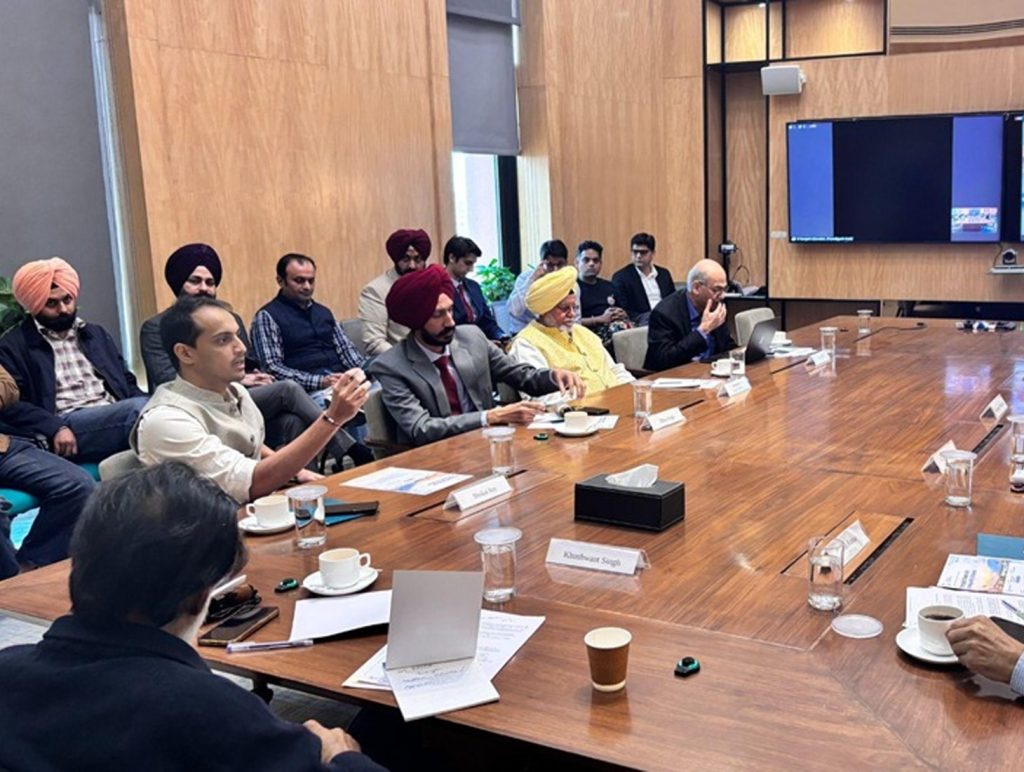
Punjab’s air pollution crisis extends beyond stubble burning, with industrial emissions, vehicular pollution, construction activity…
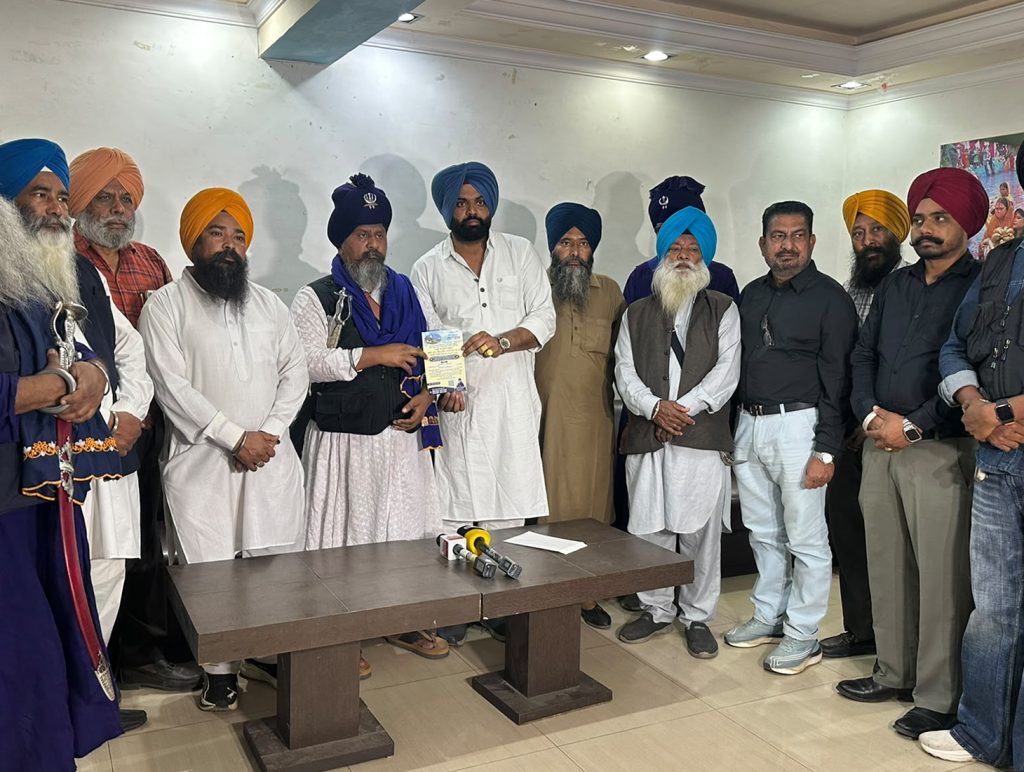
Chamkaur Sahib is set to witness the 322nd Shaheedi Samagam dedicated to Shaheed Baba Jiwan…
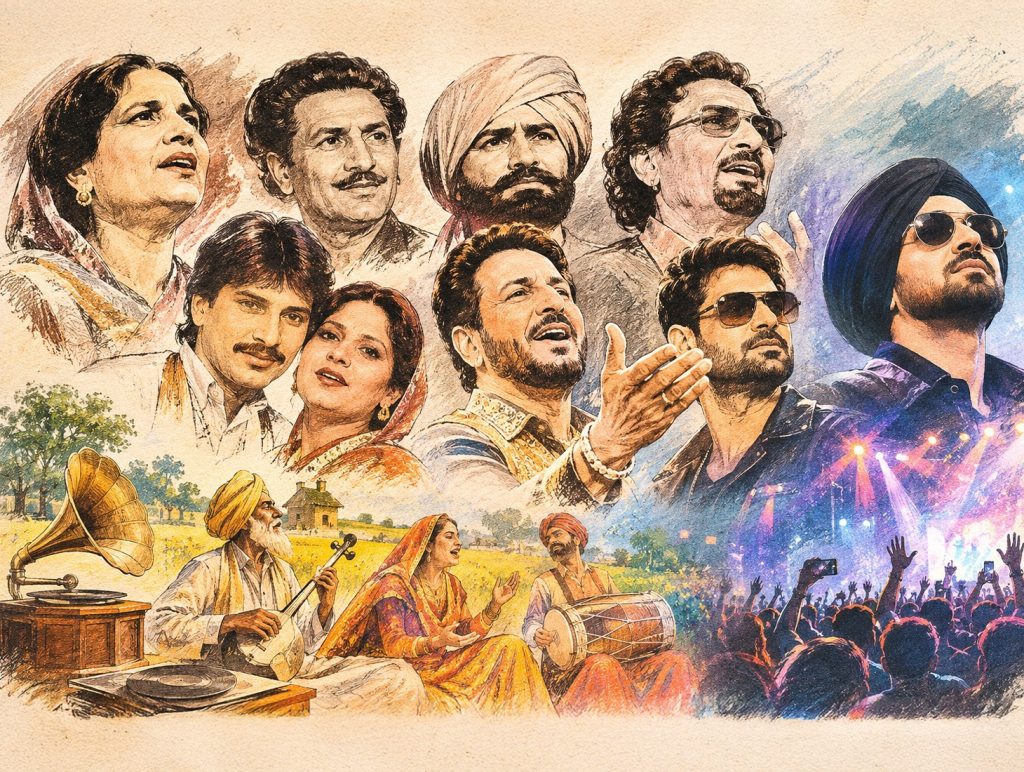
From Surinder Kaur and Kuldeep Manak to Chamkila and Yamla Jatt, Punjabi folk music has…
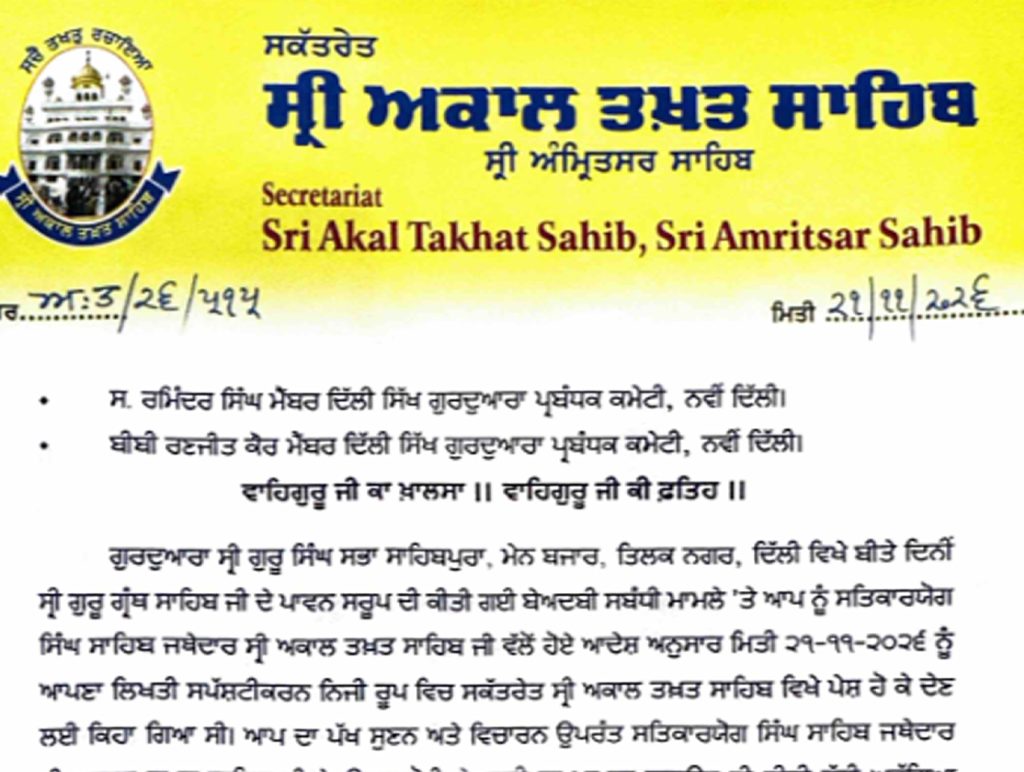
The expert committee constituted by the Akal Takht has reiterated its readiness to hold a…