




 Disney Brar
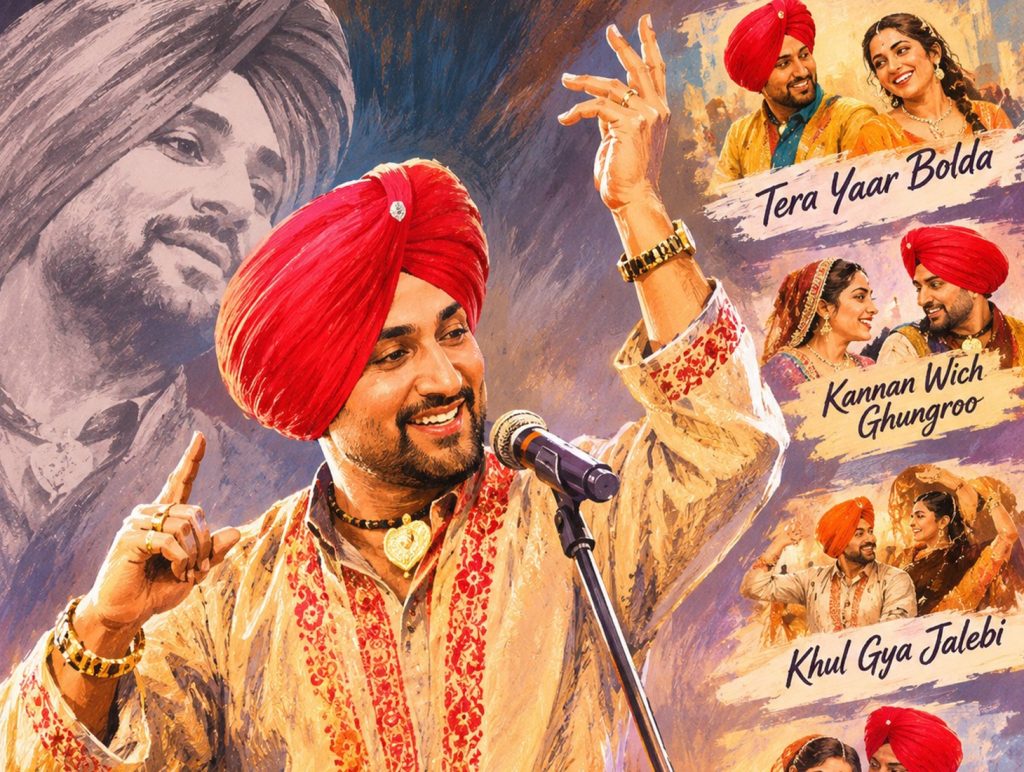
From ‘Tera Yaar Bolda’ and ‘Dupatta Tera Sat Rang Da’ to ‘Lakk Tunoo Tunoo’, Surjit Bindrakhia gave Punjabi music a voice that was impossible to replicate. More than two decades after his untimely death, his songs continue to echo through Punjab’s weddings, villages and collective memory — reminding an industry that global popularity means little without cultural roots.
Some voices belong to singers. Some belong to generations. And then there are voices that become the sound of a land, its celebrations, its heartbreaks and its identity. Surjit Bindrakhia had one such voice.
There was something almost extraordinary about the way he sang. A single hekh could hold an audience captive, a powerful high note could electrify a gathering, and the unmistakable rhythm of his songs could make even the quietest listener tap a foot. He did not merely sing Punjabi folk music; he seemed to unleash the spirit of Punjab through it.
Even today, the first beats of ‘Tera Yaar Bolda’ can turn a wedding floor into a celebration. ‘Dupatta Tera Sat Rang Da’ carries the fragrance of an era gone by, while ‘Lakk Tunoo Tunoo’, ‘Phulkari’, ‘Mukhda Dekh Ke’ and ‘Bas Kar Bas Kar’ continue to find their way into playlists, family gatherings and memories.
For many, these are not simply songs. They are fragments of childhood, celebrations of youth, reminders of loved ones and echoes of a Punjab that lives somewhere between nostalgia and pride.
A boy from Bindrakh who found his voice in Punjab
Born as Surjit Bains on April 15, 1962, in Bindrakh village of Rupnagar district, Surjit Bindrakhia’s journey into music was not without its struggles. His father, Sucha Singh, was a wrestler and initially wanted his son to follow the same path. But destiny had other plans.
Bindrakhia began singing boliyan for his college bhangra team, gradually discovering a talent that would eventually travel far beyond his village. He received musical training under Atul Sharma, whose association would become an important part of his career.
His first major breakthrough came with the album ‘Addi Utte Ghum’ in 1990, which featured ‘Jugni’. The song showcased his remarkable vocal ability, particularly his signature hekh — a sustained, powerful vocal passage that became his musical identity.
His partnership with lyricist Shamsher Sandhu and composer Atul Sharma proved particularly significant. Together, they created songs that combined the richness of Punjabi folk expression with the infectious energy of contemporary bhangra.
The result was a musical vocabulary that audiences immediately recognised. Whether it was romance, humour, swagger, separation or celebration, Bindrakhia brought an unmistakable personality to every performance.
The magic of a voice that needed no introduction
At a time when music travelled through audio cassettes, radio broadcasts and live performances, Bindrakhia built a following that crossed geographical boundaries.
Albums such as ‘Munda Ki Mangda’, ‘Gabhru Gulab Warga’, ‘Dupatta Tera Sat Rang Da’ and ‘Lakk Tunoo Tunoo’ strengthened his position among Punjabi music’s most celebrated voices.
His songs found listeners not just in Punjab but among Punjabi communities in the United Kingdom, Canada and other parts of the world. His music became a cultural bridge for people living far from home, offering them a familiar sound of their language and roots.
What distinguished him was not merely the power of his voice, but its character. His hekh was almost an instrument in itself — rising, stretching and moving with the rhythm of the dhol. It gave his songs an energy that was difficult to reproduce and even harder to forget.
He was also recognised posthumously with a Special Jury Award at the 2004 Filmfare Awards for his contribution to Punjabi music.
November 17, 2003: The day Punjab lost a voice
On November 17, 2003, the music fell silent in a way no one was prepared for. Surjit Bindrakhia died at the age of just 41 following a cardiac arrest in Mohali.
For an artist whose voice seemed larger than life, his departure came painfully early. There were more songs to sing, more stages to command and perhaps many more musical milestones waiting ahead.
The tragedy was not simply that Punjab had lost a celebrated singer. It had lost an artist who was still capable of giving its music something distinctive.
But a legacy as distinctive as Bindrakhia’s cannot be carried by a surname alone. It lives in the recordings, the performances and the listeners who still know every beat and every pause of his songs.
Bindrakhia represented that connection. His music was rooted in Punjabi expression — its boliyan, its folk rhythms, its humour, its romance and its uninhibited celebration of life.
He did not need a digital trend to make his songs memorable. His voice itself was an identity.
Perhaps that is what today’s music industry can learn from his journey: global recognition is an achievement, but cultural authenticity is what gives music a life beyond its release date.
An unfinished journey, an immortal sound
More than two decades after his passing, Surjit Bindrakhia continues to occupy a rare place in Punjabi popular culture. His songs remain part of weddings, festivals, family celebrations and gatherings where generations come together.
A young listener may discover ‘Tera Yaar Bolda’ through a digital playlist, while someone older may remember buying the cassette of ‘Addi Utte Ghum’. Different generations, different ways of listening, but the same unmistakable voice connecting them.
Perhaps that is the most beautiful thing about music. It refuses to respect the boundaries of time.
Surjit Bindrakhia left this world on November 17, 2003, but his voice never really left Punjab. It lives in the dhol beats that accompany celebrations, in the lyrics people still sing without looking them up, and in the collective memory of people who continue to find a part of themselves in his music.
He was only 41 when his journey ended. But some artists are not measured by the years they lived or the number of songs they recorded. They are measured by how long their music stays alive in the hearts of others.
And every time ‘Tera Yaar Bolda’ begins to play, the years disappear for a moment.
The crowd finds its rhythm. The dhol finds its beat. And somewhere in that familiar, powerful voice, Punjab finds a little piece of its past.
Surjit Bindrakhia may have left too soon, but Punjab is still listening.
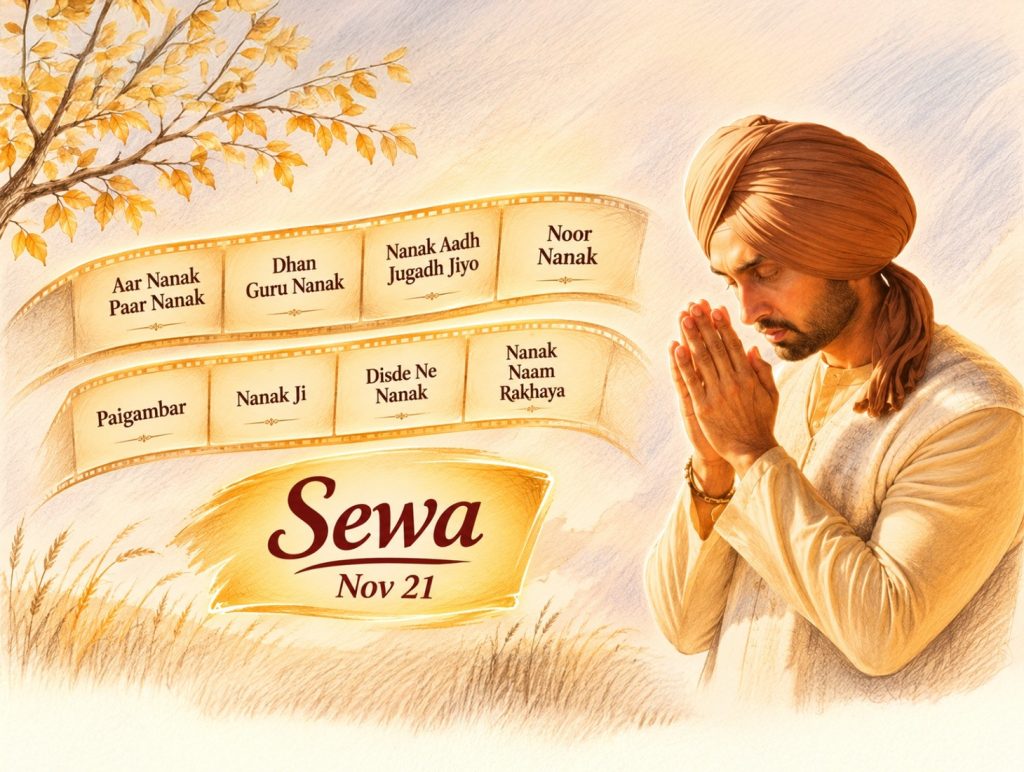
For Diljit Dosanjh, music has often been a way of celebrating Punjabi culture, but around…
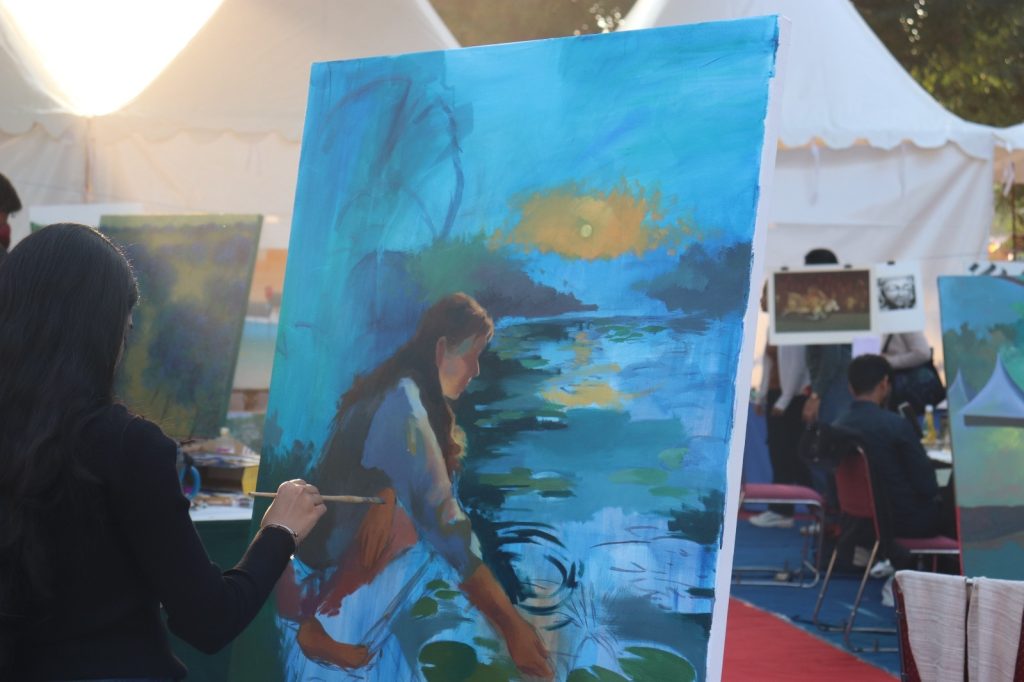
The three-day Chandigarh Carnival begins today, November 20, at the Leisure Valley, Sector 10, Chandigarh.…

Instagram has introduced a new feature allowing users to edit published Stories for up to…
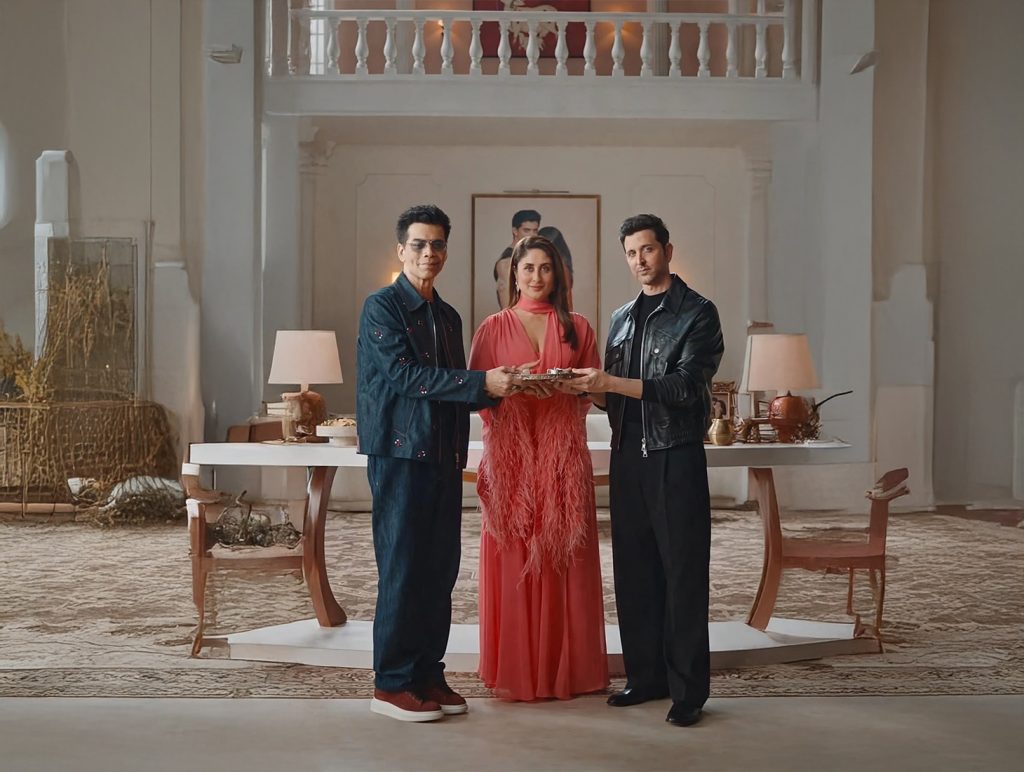
Fans of “Kabhi Khushi Kabhie Gham” have a reason to celebrate as Airbnb is recreating…