





 Disney Brar
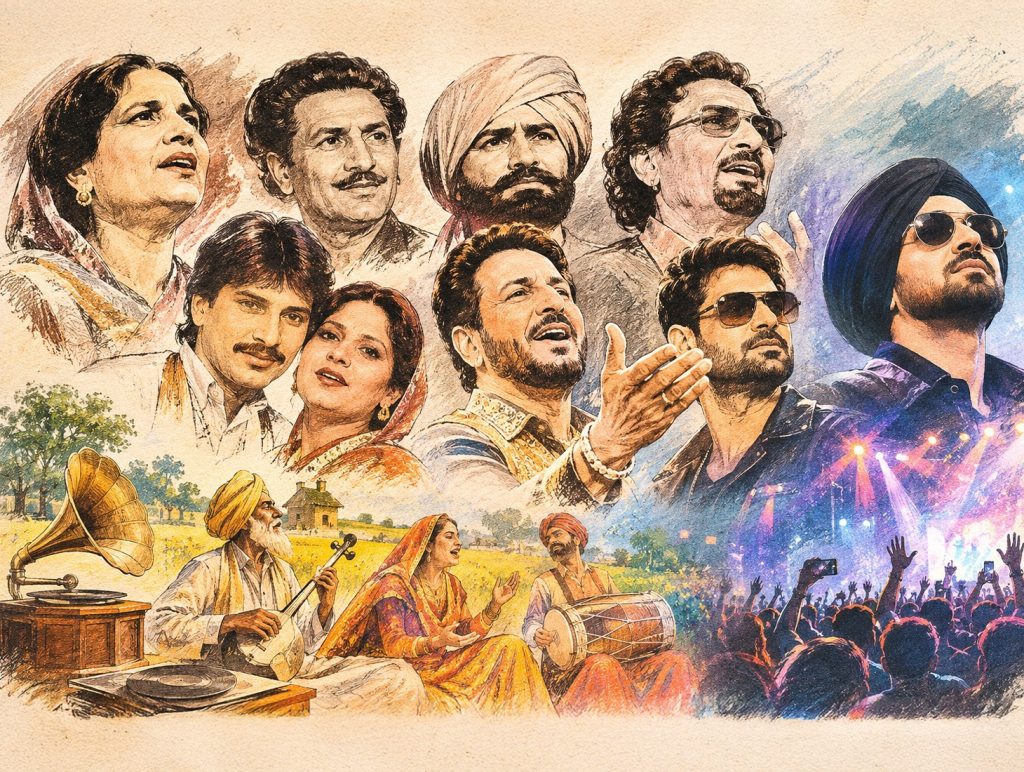
From Surinder Kaur and Kuldeep Manak to Chamkila and Yamla Jatt, Punjabi folk music has chronicled generations of love, longing, resistance and social change. But as commercial music dominates the charts, its traditional roots risk getting lost in the noise.
Punjabi music has become a global phenomenon. From sold-out concert arenas in Canada and the UK to streaming charts and Instagram reels, its beats have travelled far beyond Punjab. Yet, beneath this international success lies an uncomfortable question: while Punjabi music is reaching the world, are Punjabis themselves losing touch with their musical roots?
The dhol continues to dominate weddings, and folk-inspired melodies find their way into contemporary tracks. But how many young listeners can identify a kali, a dhadi vaar or a traditional tappa? How many recognise the artists who kept these traditions alive long before Punjabi music became a global industry?
Punjab’s music is going global, but who is saving its folk soul?
Punjabi folk music was never merely entertainment. It was a living record of society, carrying stories of love, separation, migration, social restrictions and everyday struggles. The legendary tales of Heer-Ranjha and Mirza-Sahiban were not simply romantic tragedies; they explored family honour, social hierarchies and individual freedom.
Songs such as Lathe Di Chadar, Chan Kithe Guzari Aai Raat and Kaala Doria, popularised by Surinder Kaur, captured the emotional world of Punjabi women. Gurmeet Bawa, remembered for her powerful, extended hek, and Parkash Kaur helped preserve a repertoire rooted in everyday life. Jagmohan Kaur, through songs such as Ghadoli, also brought rural characters and folk humour into popular music.
The contributions of Lal Chand Yamla Jatt, Kuldeep Manak and Amar Singh Chamkila illustrate how Punjabi folk music evolved with changing times.
Yamla Jatt’s Das Main Ki Pyar Wichon Khatya remains an example of earthy storytelling, while his distinctive tumbi became synonymous with Punjabi folk music. Kuldeep Manak took the narrative tradition of kalian to wider audiences through songs such as Tere Tille Ton and Sahiban Da Tarla.
Chamkila, alongside Amarjot, transformed the popular music landscape with tracks such as Pehle Lalkare Naal, Bhul Gai Main Ghund Kadna and Mera Vyah Karvan Nu Jee. His lyrics often challenged conventional ideas about relationships, morality and social hypocrisy, making him both immensely popular and controversial.
The tradition also lives through the dhadi jathas, whose performances combine the dhadd and sarangi to narrate heroic ballads, historical events and tales of sacrifice. The tumbi, algoza, chimta and sarangi are not merely instruments; they carry the distinctive sound and identity of Punjab.
Today’s Punjabi music industry is driven by electronic production, hip-hop, rap and global collaborations. Artists such as Diljit Dosanjh, AP Dhillon, Karan Aujla and Shubh have taken Punjabi music to international audiences, introducing it to listeners across cultures.
There is nothing wrong with this evolution. The concern is that commercial visibility does not always translate into the preservation of traditional music. Folk forms and their practitioners often struggle for the same platforms, audiences and financial support enjoyed by mainstream performers.
Yet, Punjabi folk has continued to find expression through singers who successfully blended traditional sounds with contemporary compositions. The late Surjit Bindarakhia brought a powerful folk energy to mainstream music, with his distinctive high-pitched voice and songs such as Duppatta Tera Satrang Da and Tera Yaar Bolda. Gurdas Maan kept Punjabi storytelling, poetic lyrics and folk melodies at the heart of popular music through classics such as Challa, Apna Punjab Hove and Dil Da Mamla Hai. Jasbir Jassi, too, drew from Punjab’s folk traditions, with Heer and Peengh becoming defining popular hits. Harbhajan Mann has remained deeply connected to traditional Punjabi gayaki, incorporating elements of folk singing and Kavishri into his musical expression. More recently, Rajvir Jawanda carried forward this connection through songs rooted in Punjabi culture, rural imagery and traditional sensibilities. Their compositions demonstrate that folk need not remain confined to archives or nostalgia; it can evolve, reach younger audiences and remain relevant in a changing musical landscape.
There have been efforts to bridge this gap. The Punjab Sangeet Natak Akademi has undertaken archival work documenting traditional performers and art forms, including recordings of Gurmeet Bawa and veteran folk singer Amarjit Gurdaspuri. Such initiatives underline the importance of recording voices that might otherwise disappear from public memory.
The answer is not to turn away from contemporary Punjabi music but to make space for its roots. Schools and colleges can introduce students to folk traditions, cultural festivals can give traditional performers prominent stages, and music producers can collaborate with folk musicians rather than simply sampling familiar sounds.
Most importantly, platforms and institutions must document the music, stories and techniques of ageing folk artists before they are lost. Digital archives, recordings and accessible translations can help younger generations discover the richness of their musical inheritance.
Punjabi music has travelled the world, but its identity was shaped in its villages, fields, courtyards and community gatherings. The voices of Surinder Kaur, Yamla Jatt, Manak and Bawa deserve more than occasional nostalgic playlists.
The real measure of Punjabi music’s global success will not simply be how many people dance to its beats, but how many still recognise the stories, voices and traditions behind them.
Punjab’s air pollution crisis extends beyond stubble burning, with industrial emissions, vehicular pollution, construction activity…
Chamkaur Sahib is set to witness the 322nd Shaheedi Samagam dedicated to Shaheed Baba Jiwan…

As Punjab moves towards the 2027 Assembly elections, political activity is gathering pace. Parties are…
The expert committee constituted by the Akal Takht has reiterated its readiness to hold a…