








 Dr Kiran Deep
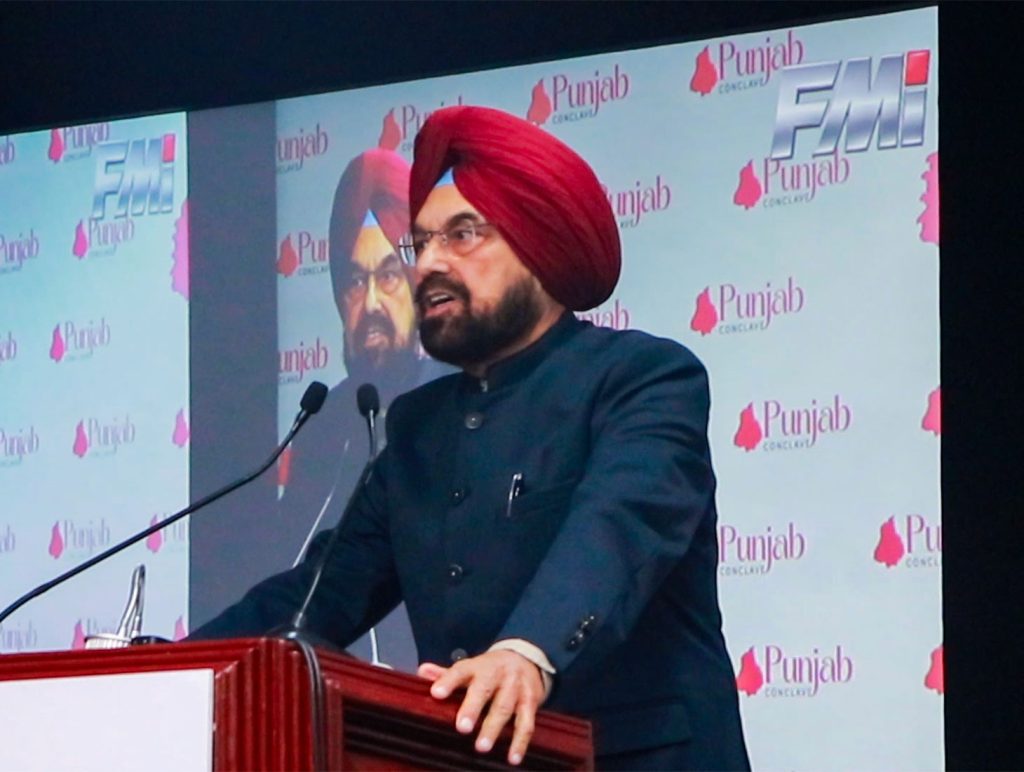
Punjab is at a critical crossroads, grappling with mounting debt, unemployment, drug abuse, organised crime and declining public trust ahead of the next Assembly elections, senior journalist Kanwar Sandhu said on Wednesday. Addressing the Third Punjab Conclave in Chandigarh, he said the state’s worsening financial position and lack of adequate employment opportunities had deepened its economic and governance challenges.
Sandhu said the situation could not be blamed on any one government, as successive administrations over the past 25 years had contributed to the state’s problems.
Sandhu also pointed out that Punjab, once among India’s leading states in per capita income, had slipped to around 18th position, reflecting the extent of its economic decline.
He warned that Punjab’s debt-to-GSDP ratio, estimated at around 45 percent, could rise further in the coming years, while debt servicing was consuming a substantial share of government revenue.
The growing expenditure on subsidies and welfare schemes, he said, was leaving limited resources for investment in infrastructure, education, healthcare and industry.
Sandhu cited schemes providing free electricity, financial assistance for marriages, food support, free bus travel for women, religious pilgrimages and monthly financial assistance to women as examples of recurring commitments facing the state exchequer.
While acknowledging that welfare programmes were important for vulnerable sections, Sandhu questioned whether the schemes were financially sustainable and adequately targeted.
He said Punjab needed to strike a balance between social welfare and investment in productive assets, warning that excessive spending on recurring commitments could undermine long-term economic growth.
Drug crisis and unemployment
Sandhu described drug addiction as one of Punjab’s most serious social challenges saying successive governments had launched campaigns but had failed to eliminate the problem. He referred to enforcement action taken by successive administrations, including arrests and seizures under the Narcotic Drugs and Psychotropic Substances Act, but said the continued spread of drugs raised questions about the effectiveness of existing strategies.
He called for greater attention to prevention, rehabilitation, education and community intervention, particularly amid concerns about drug use among younger people.
Unemployment, he said, was closely linked to the drug crisis, migration and social frustration. Punjab needed to create meaningful employment opportunities for young people rather than relying only on promises of government jobs, he added.
Gangsters and law and order
The growing influence of organised criminal networks was another major concern, Sandhu said, noting that gangster activity had expanded beyond local boundaries and become increasingly organised. He questioned whether existing policing and enforcement mechanisms were sufficient to tackle the problem and raised the possibility of Punjab considering stronger legislation against organised crime.
However, he cautioned that any such law would have to protect constitutional rights and civil liberties, given Punjab’s history of militancy and the misuse of stringent security laws.
Unresolved questions about Punjab’s past
Kanwar Sandhu also spoke about the continuing impact of militancy, saying Punjab had yet to fully confront the legacy of that period. He said historical events continued to resurface in political debates, films, books and public discussions, indicating that unresolved questions remained.
He called for a mature conversation about the past, stressing that the objective should be to understand the suffering and its consequences rather than exploit historical wounds for political gain.
Industrial slowdown and migration
Kanwar Sandhu said Punjab had struggled to attract investment and strengthen its industrial base over the past two decades, despite repeated claims by successive governments about investment proposals and economic development. He said the lack of sufficient industrial growth had contributed to the migration of young people seeking better opportunities abroad.
Punjab needed a stronger business environment, modern infrastructure and sustained investment to revive its economy, he said. He also called for a transparent assessment of Punjab’s relationship with the Centre, including concerns about financial assistance and the state’s declining share in foodgrain procurement, arguing that the Union government also had a responsibility to support Punjab’s economic revival.
Governance and public trust
Sandhu raised concerns about the shrinking space for democratic protests, limited access to government offices and the functioning of the state legislature.He said the Assembly needed to meet more frequently and provide greater opportunities for meaningful debate, while citizens should have easier access to government institutions to raise grievances.
He also questioned the effectiveness of transparency mechanisms, including the Right to Information Act, and called for greater accountability in administration. Punjab’s bureaucracy and administrative expenditure also needed scrutiny, he said, arguing that public money should be used more efficiently, particularly when the state was struggling to fund essential services.
Political disconnect
Kanwar Sandhu said feedback received from people ahead of the conclave reflected deep dissatisfaction with political leadership and the functioning of the system.While acknowledging that there were capable and committed politicians, he said the broader public sentiment pointed to a growing disconnect between elected representatives and citizens.
Some respondents had even suggested alternative models of governance involving professionals and experts, reflecting frustration with conventional politics, he said.
He stressed that democracy could not be judged only by electoral victories and that governments needed to deliver financial discipline, employment, security and public confidence.
He further said Punjab was at a critical juncture and could not afford to address its challenges through slogans and election-time promises. He called on political parties to acknowledge their collective responsibility for the state condition and develop a credible roadmap for its economic and social revival.
The next generation, he said, deserved Punjab that was financially stronger, offered employment opportunities, tackled drugs and crime effectively and provided accountable governance.
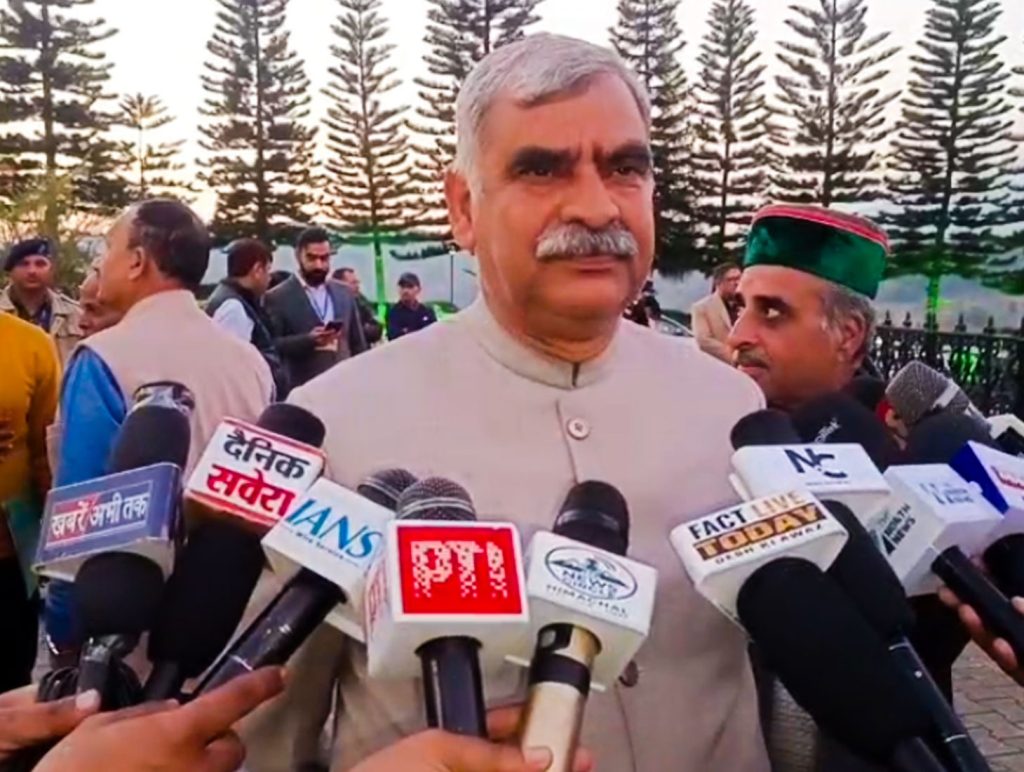
Punjab Youth Congress president Shubham Sharma Shubhi and several party workers were detained after allegedly…
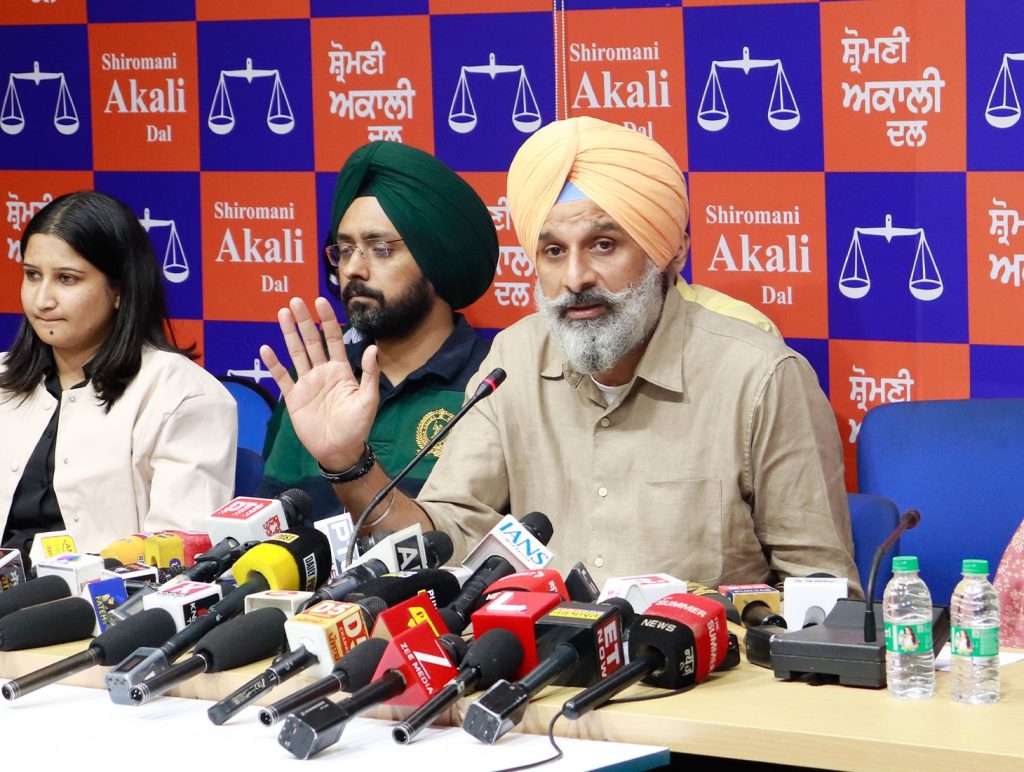
Shiromani Akali Dal (SAD) leader Bikram Singh Majithia on Thursday demanded a CBI probe into…
The Punjab and Haryana High Court’s decision to stay the PCS recruitment process has triggered…
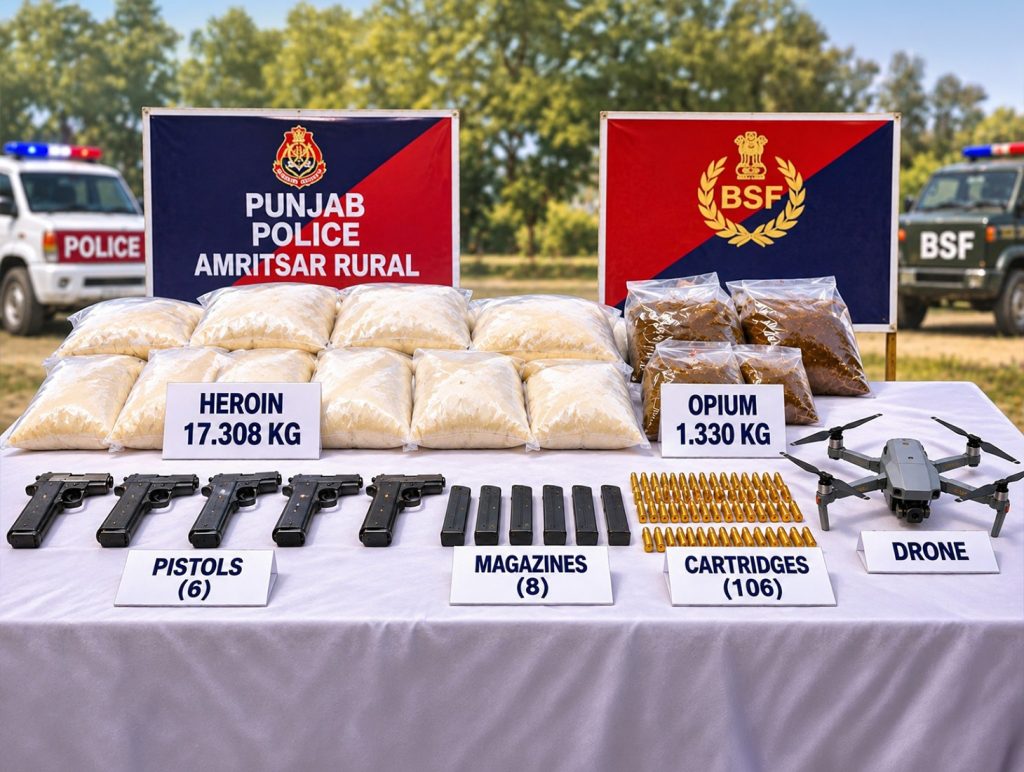
The police and the Border Security Force (BSF) recovered 17.638 kg of narcotics, pistols, ammunition…