






 Disney Brar
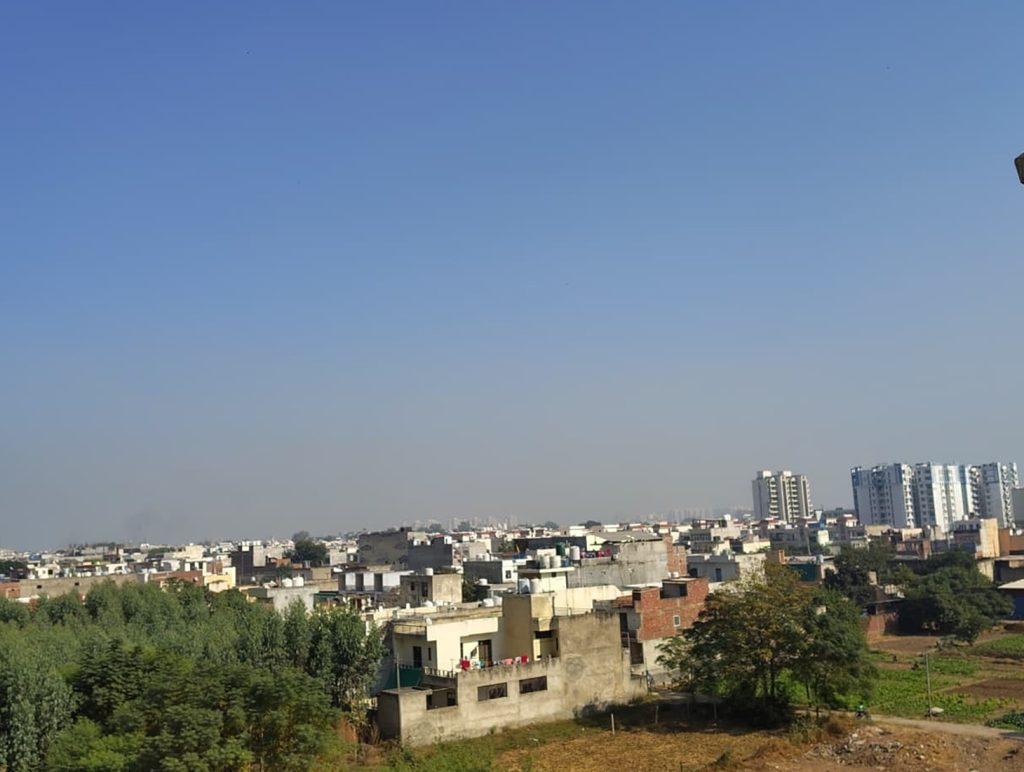
Chandigarh: The festive lights may have faded, but the pollution left behind by Diwali continues to hang over Punjab. As residents return to their daily routines, the post-festival air quality figures offer a sobering picture of the environmental cost of celebrations, with several cities in Punjab recording pollution levels in the poor and very poor categories.
Data reported for November 9, 2026, showed Punjab’s average Air Quality Index (AQI) at 287, placing it in the poor category. Jalandhar and Mandi Gobindgarh emerged among the most affected cities, recording an AQI of 336 each. Ludhiana followed at 292, Khanna at 279, Amritsar at 257 and Patiala at 221.
A comparison with November 7, ahead of Diwali, reveals a deterioration across all six cities. Amritsar witnessed one of the sharpest increases, with its AQI rising from 115 to 257. Jalandhar moved from 205 to 336, while Ludhiana’s reading increased from 222 to 292. Khanna recorded a rise from 201 to 279, Mandi Gobindgarh from 281 to 336 and Patiala from 204 to 221.
The figures underline the widespread nature of the pollution increase, with both industrial centres and other urban areas experiencing a decline in air quality.
| City | November 7 | November 9 |
| Amritsar | 115 | 257 |
| Jalandhar | 205 | 336 |
| Ludhiana | 222 | 292 |
| Khanna | 201 | 279 |
| Mandi Gobindgarh | 281 | 336 |
| Patiala | 204 | 221 |
The situation in neighbouring Chandigarh presented a somewhat different picture. The city also experienced a pollution spike during Diwali celebrations, but monitoring data indicated a relatively quicker improvement in the following hours.
Among Chandigarh’s six monitoring stations, Sector 25 recorded the highest Diwali-period AQI at 326. PEC in Sector 12 registered 312, IMTECH in Sector 39 recorded 310 and Sector 53 stood at 304. Sector 17 and Sector 22 reported comparatively lower readings of 170 and 158, respectively.
By 3 am on November 9, Chandigarh’s air quality had returned to the satisfactory category, while the city’s AQI stood at 160 by 7 pm that evening, placing it in the moderate category.
A comparison with Diwali 2025 also showed mixed results. Sector 22 improved from 234 to 158, Sector 17 from 183 to 170 and IMTECH-39 from 318 to 310. Sector 25, however, registered an increase from 296 to 326, while Sector 53 remained unchanged at 304.
| Monitoring station | 2025 | 2026 |
| Sector 22 | 234 | 158 |
| Sector 17 | 183 | 170 |
| IMTECH-39 | 318 | 310 |
| PEC-12 | — | 312 |
| Sector 53 | 304 | 304 |
| Sector 25 | 296 | 326 |
While firecracker emissions contributed to the immediate post-Diwali pollution spike, Punjab’s air quality challenge is also closely linked to the ongoing paddy harvesting season and agricultural residue burning.
Farm-fire incidents continued to be reported across the state. The seasonal count crossed 4,657 by the November 9-10 reporting period, while November 8 alone saw 1,152 incidents, according to reported official figures.
The continued burning of paddy residue, combined with vehicular emissions, industrial activity, construction dust and other sources, adds to the pollution burden during a period when weather conditions can also influence how quickly pollutants disperse.
The problem is particularly concerning for children, senior citizens, outdoor workers and people with existing respiratory or cardiovascular conditions, who are more vulnerable to the effects of polluted air.
The post-Diwali figures once again bring into focus the need to look beyond a few days of firecracker restrictions. While responsible celebrations and compliance with prescribed timings can help reduce short-term pollution, the larger challenge requires sustained action against stubble burning, vehicular emissions, industrial pollution and road dust.
The contrast between Punjab’s deteriorating air quality and Chandigarh’s relatively quicker recovery also highlights the importance of monitoring, enforcement, public participation and environmental conditions.
Ultimately, the issue is not confined to a particular festival or a handful of cities. Clean air is a public necessity, and protecting it requires collective responsibility throughout the year.
Diwali is celebrated as a festival of light, hope and new beginnings. Perhaps its true spirit can also inspire a different kind of celebration — one that leaves behind brighter homes without leaving the air harder to breathe.
Prime Minister Narendra Modi celebrated Diwali with security personnel at the CoBRA Operations Base at…

A cancer diagnosis can turn a family’s life upside down. Along with the emotional strain,…
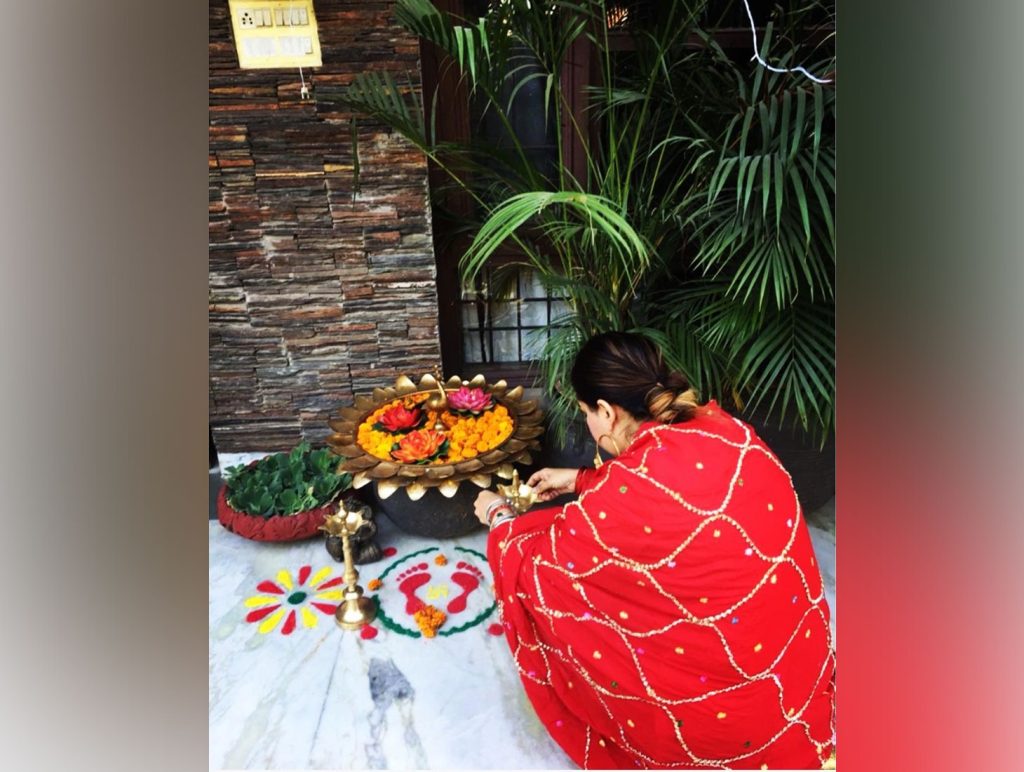
From the glow of earthen diyas to the sacred chants of Lakshmi Puja, Diwali is…
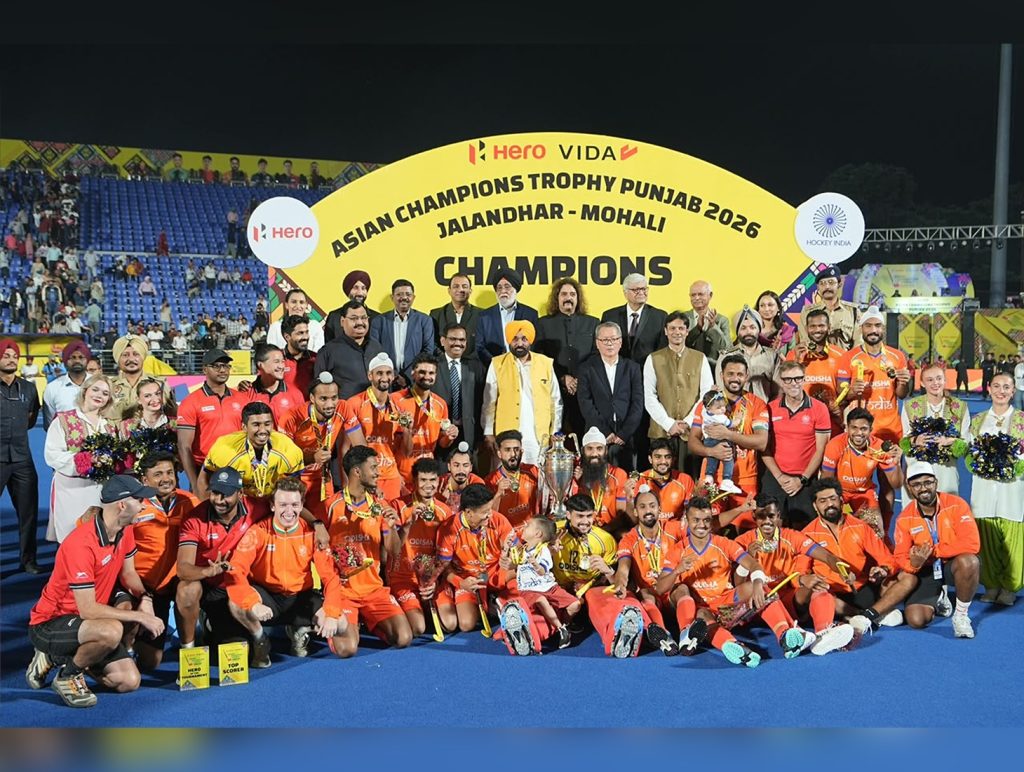
India celebrated another Asian Champions Trophy triumph on Thursday defeating Japan 4-1 in the final…