








 The North News
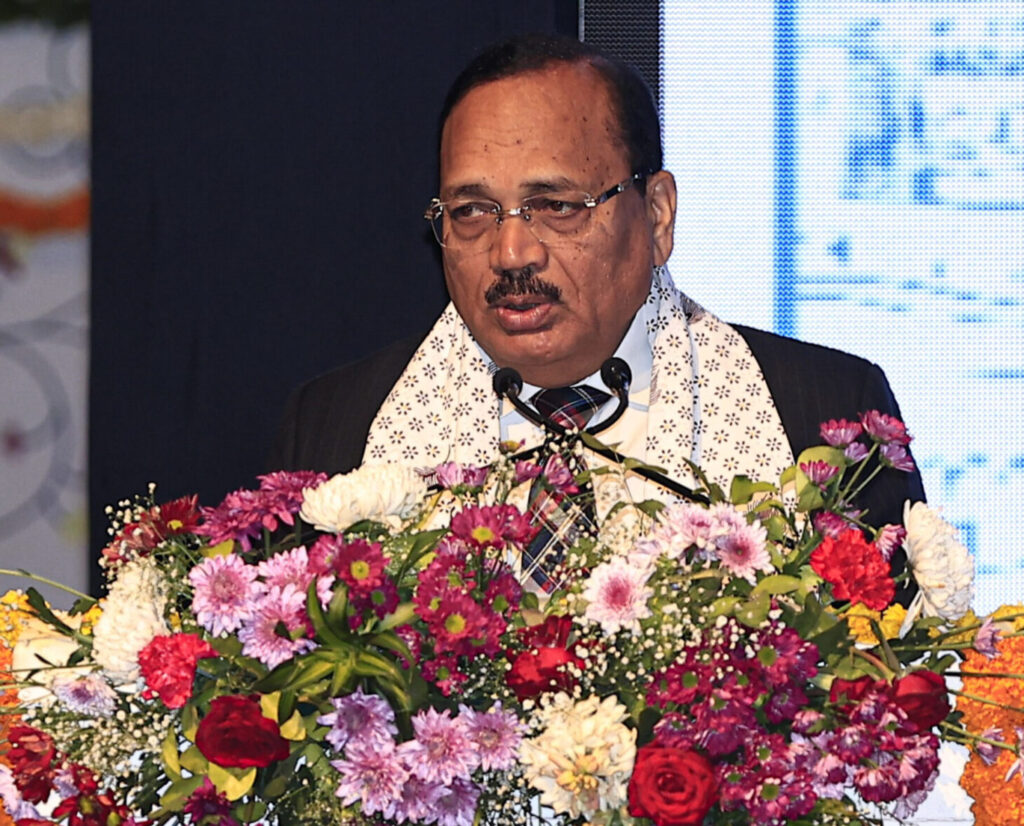
New Delhi, May 22
Chief Justice of India on Friday said the Constitution belongs equally to every citizen and should not become a privilege reserved for a small urban elite capable of bearing expensive legal processes. Speaking through a recorded video message at the launch of senior advocate Indira Jaising’s memoir ‘The Constitution Is My Home: Conversations on a Life in Law’, the Chief Justice stressed that constitutional rights must remain accessible to all sections of society, including the poor and marginalised.
Justice Kant, who could not attend the event due to preparations for an upcoming meeting of BRICS judges, extended his greetings for the book launch and reflected on the deeper meaning of constitutionalism in a democracy.
“The Constitution is truly our shared home. It belongs not to judges alone, nor to lawyers, State or public authorities. It belongs equally to every citizen, be it an urbanite or a ruralite, or the poorest of the poor, or the marginalised, who seek justice within its framework and place faith in its promises,” he said.
He warned against limiting constitutional protections to a privileged class. “The Constitution is not a privilege of a few cosmopolitans who can afford cost-bearing processes and engage the best of the brains to assert something which our Constitution never intended to offer,” the Chief Justice observed.
Justice Kant said the Constitution was not merely a distant legal document but a living force shaping everyday democratic life. “It accompanies us in courtrooms and chambers, in arguments and deliberations. But its reach extends far beyond formal legal spaces and its influence is ultimately measured in the lives of citizens and in the character of our democracy,” he said.
Highlighting the importance of constitutional morality, the Chief Justice noted that democratic institutions function effectively only when authority is exercised with accountability, transparency and adherence to foundational principles.
“It is this continuing commitment that allows a democratic society to respond to changing circumstances while preserving the ethos and ideals that sustain it,” he added.

Devastating floods along the Nepal-Tibet border, reportedly killed 270 people so far, have once again…

Jabalpur, June 26 The Madhya Pradesh High Court on Thursday dismissed a defamation case against…
New Delhi, June 25 Prime Minister Narendra Modi on Thursday described the Emergency imposed in…
The Centre government has said that a passport has never been considered conclusive proof of…