








 PTI
PTI
Dubai, April 29
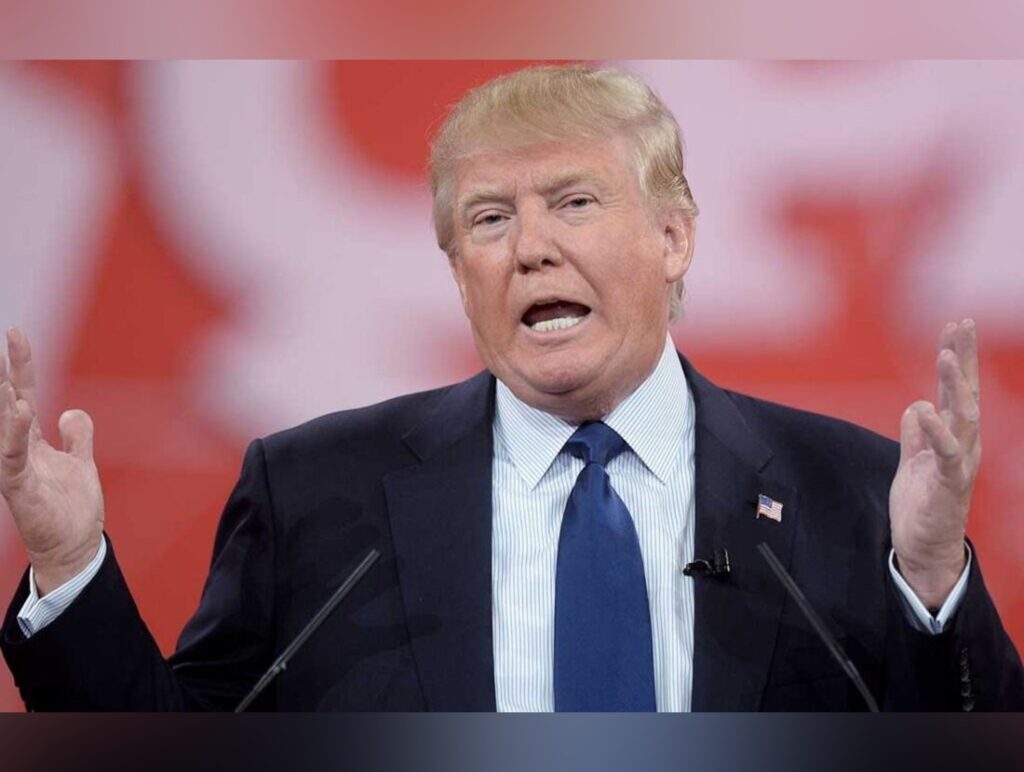
Talks between the United States and Iran to end the ongoing conflict appeared stalled on Wednesday, even as former US President Donald Trump claimed Tehran was in a “state of collapse” and urged movement on a nuclear agreement. The developments come amid rising global economic and security concerns linked to the conflict.
In a statement on his social media platform, Trump criticised Iran’s approach to nuclear negotiations and said the country had failed to make progress towards a deal. His remarks come against the backdrop of long-standing tensions over Tehran’s nuclear programme, which Iran maintains is peaceful despite concerns over uranium enrichment levels.
The economic impact of the conflict is becoming increasingly visible. Pakistan reported a sharp rise in its oil import bill, with Prime Minister Shehbaz Sharif stating that weekly costs have surged significantly due to higher global energy prices. The government said it is taking measures to manage consumption and reduce pressure on the economy.
The European Union has also flagged mounting financial strain. European Commission President Ursula von der Leyen warned that the conflict, along with disruptions in key energy routes, is leading to substantial daily losses and rising fuel costs across member states.
Meanwhile, humanitarian and security concerns continue to deepen. The United Nations human rights office has reported executions and large-scale arrests in Iran since the conflict began. In Lebanon, casualties have been reported amid ongoing hostilities, highlighting the broader regional impact of the crisis.
Uncertainty also persists over Iran’s nuclear programme, with international agencies continuing to monitor developments at key facilities. The situation remains fluid, with diplomatic efforts ongoing but no clear breakthrough in negotiations yet. `The evolving crisis is expected to keep global markets and regional stability under pressure in the coming weeks as stakeholders push for de-escalation and renewed dialogue.
Washington/Tehran, July 9 A fragile truce in the Middle East came under renewed strain on…

Berlin, June 29 France recorded around 1,000 additional deaths during last week’s record-breaking heat wave,…
Beijing, June 22 China has announced new restrictions on several American companies, including a ban…