








 PTI
PTI
New Delhi, April 1
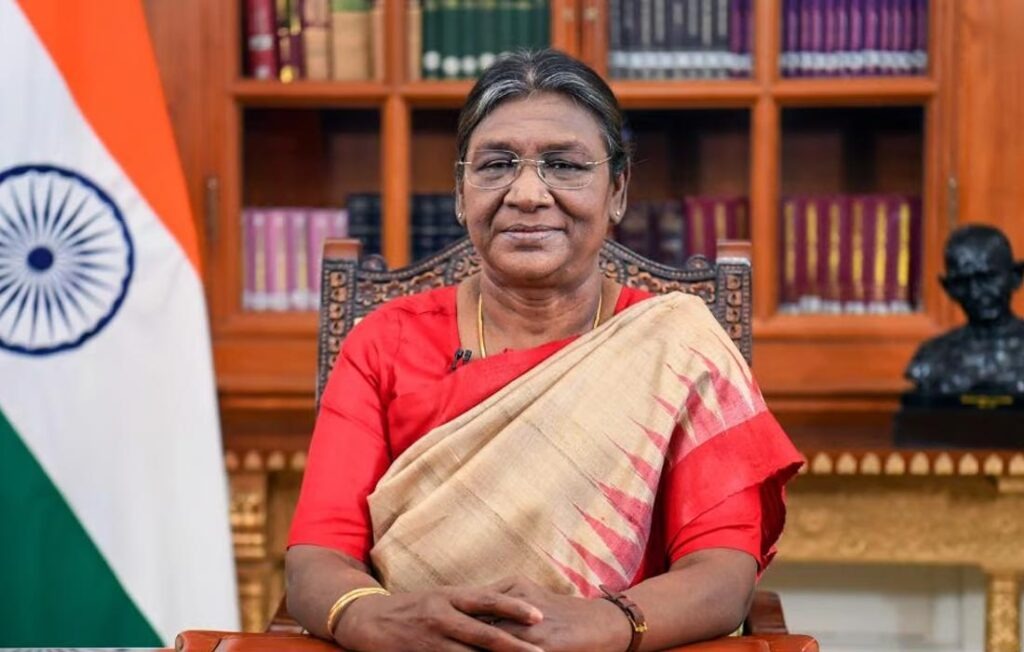
The Transgender Persons (Protection of Rights) Amendment Bill, 2026, which introduces graded punishment for bodily harm against transgender individuals, has received the assent of Droupadi Murmu, according to a law ministry notification dated March 30. The amended legislation will come into force on a date to be notified by the Central Government in the official gazette.
The bill, passed by Parliament last week, has triggered sharp criticism from opposition parties, which objected to the exclusion of gays and lesbians from its scope. It also provides a specific definition of “transgender” and explicitly excludes individuals with different sexual orientations and self-perceived gender identities.
A provision establishing an authority to determine whether a person qualifies as transgender has also drawn backlash, with opposition leaders arguing that it undermines the right to self-identification.
During debates in both Houses of Parliament, the government maintained that the objective of the legislation is to protect a socially and culturally distinct group that faces severe discrimination. However, opposition members contended that the bill restricts identity rights and demanded that it be referred to a standing committee for wider consultation.
Replying to the debate in the Rajya Sabha, Social Justice and Empowerment Minister Virendra Kumar said the bill aims to ensure protection and legal recognition for transgender persons affected by biological factors. He emphasised the government’s commitment to their inclusion in mainstream society and highlighted the establishment of transgender welfare boards in over 30 states.
Despite the opposition’s demand for further scrutiny, the bill was passed in the Upper House through a voice vote, with proposed amendments being rejected.
Several members, including Swati Maliwal, John Brittas, Jaya Bachchan, Fauzia Khan, Priyanka Chaturvedi, Tiruchi Siva and Manoj Kumar Jha, called for the bill to be sent to a select committee for broader stakeholder consultations.
Critics also raised concerns over provisions such as criminalising “alluring” someone to present as transgender, terming them vague and potentially harmful. Opposition MPs argued that without wider consultations involving the transgender community, legal experts, and civil society, the legislation could create fear rather than provide protection.
The government, however, maintained that the amendment reflects its commitment to ending discrimination and ensuring dignity and rights for transgender persons.

Yadav stressed on justice, equality and cooperation as foundations for lasting peace Chandigarh, September 27…

Samsung Solve for Tomorrow 2026 finalists represent 18 cities across 12 states Chandigarh, September 23…

More than a decade after the brutal 2012 Delhi gang rape triggered nationwide protests and…
BJP launches anti-drug yatra in Punjab Pathankot, September 18 BJP national president Nitin Nabin on…