



The North NEWS
New Delhi, January 7
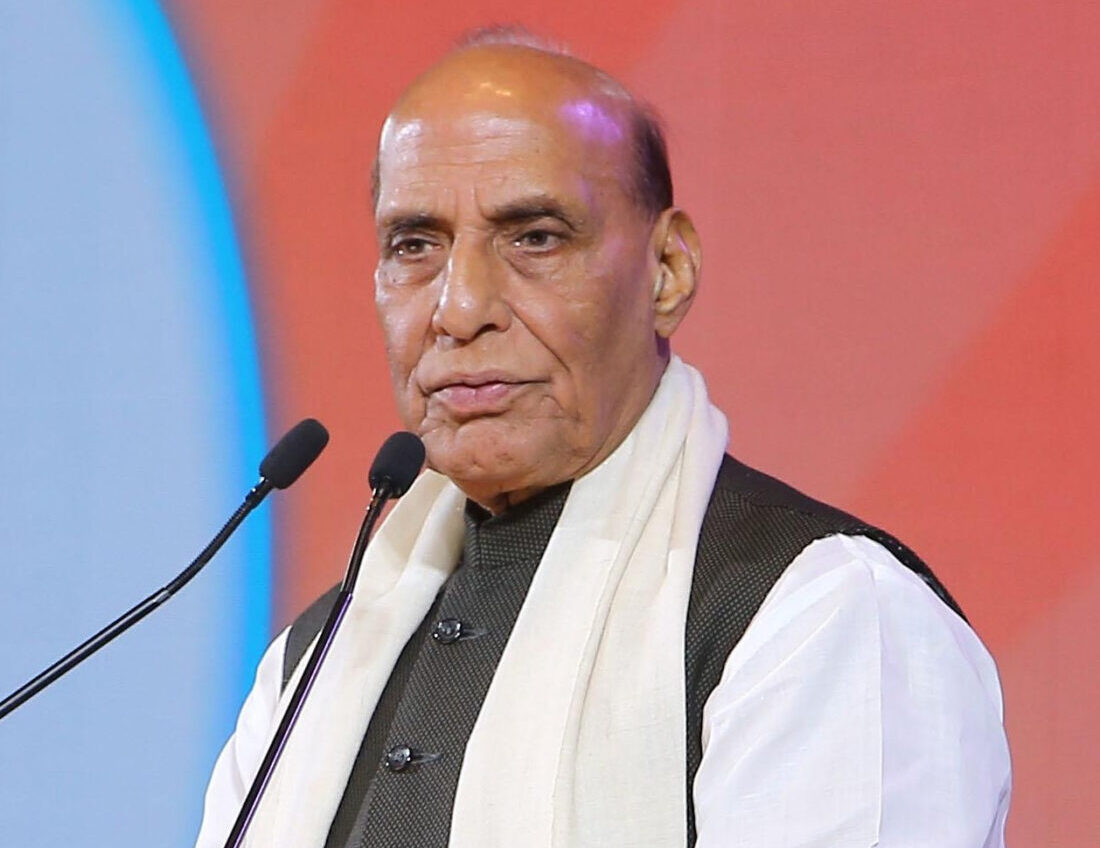
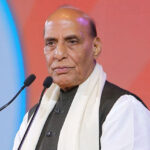
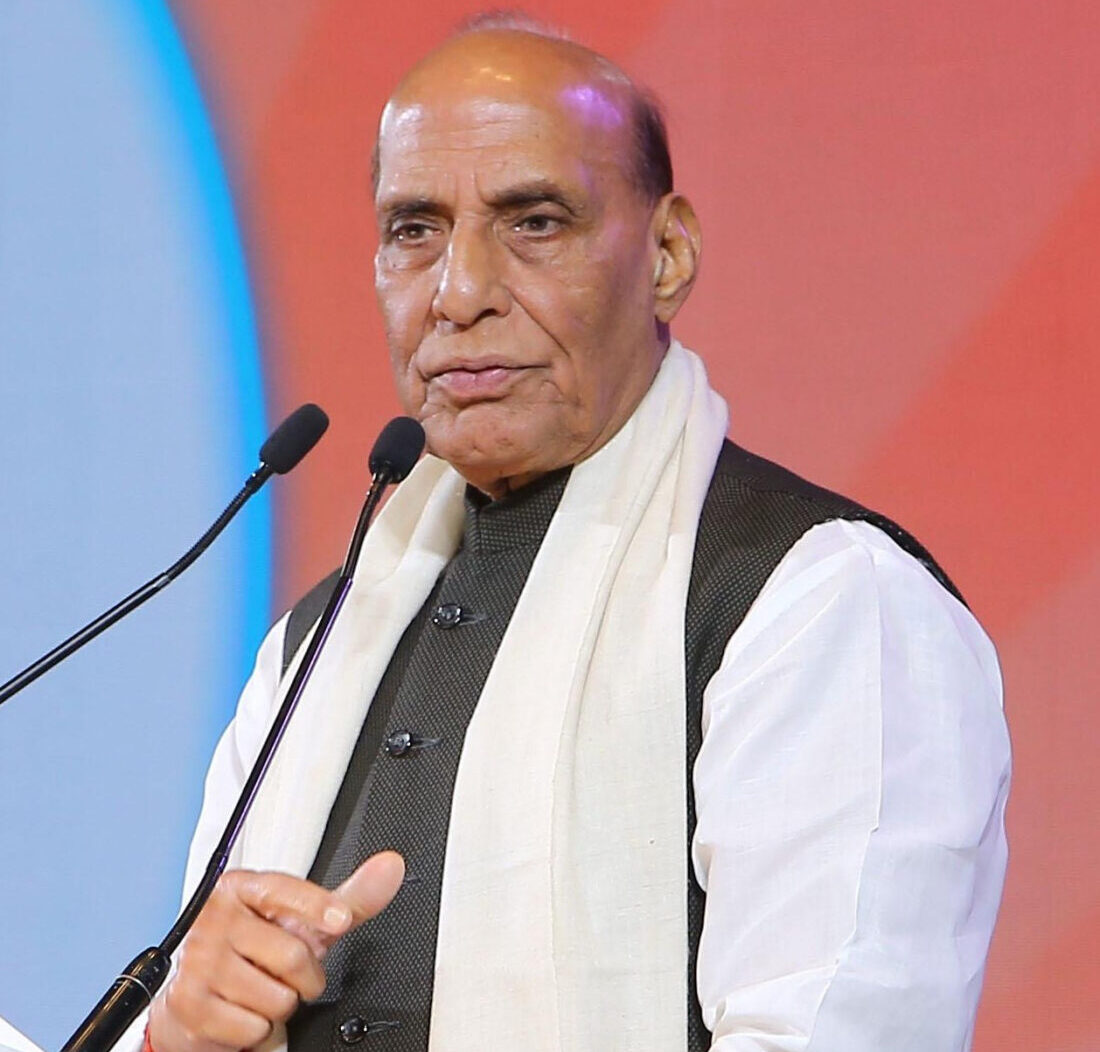
Defence Minister Rajnath Singh has described the late Lieutenant General Srinivas Kumar Sinha as a lasting source of inspiration for the country, saying his life reflected unwavering commitment to national sovereignty and public service. In a video message delivered at a memorial lecture marking the birth centenary of Lt Gen Srinivas Kumar Sinha, he paid tribute to the former Indian Army officer, diplomat and governor, calling him a soldier and statesman who consistently placed the nation above personal interest.
Born in 1926, Lt Gen Sinha served in some of the most testing phases of India’s military history. Rajnath Singh recalled his role on the Burma front during the Second World War and his involvement in coordinating the first airlift of Indian troops to Srinagar in 1947, when Pakistan-backed forces advanced towards Kashmir.
The Defence Minister also highlighted Lt Gen Sinha’s reputation as an officer of “exceptional intellect”, citing his performance at both Indian and British staff colleges and his efforts to strengthen institutional thinking within the Army during key appointments, including Director of Military Intelligence and Adjutant General.
He said that Lt Gen Sinha’s contribution did not end with his military career. As India’s ambassador to Nepal, he worked to deepen bilateral ties, while as governor of Assam and later Jammu and Kashmir, he focused on security and development in sensitive regions. He urged citizens to draw lessons from Lt Gen Sinha’s ideals as India seeks to become a secure, self-reliant and prosperous nation.
Addressing the gathering, Chief of Defence Staff Anil Chauhan described Lt Gen Sinha as a “soldier-statesman” and “scholar warrior”, stressing the need for integrity, debate and professional military education alongside courage and discipline. Gen Chauhan said modern warfare—spanning cyber, space, information and cognitive domains—demands soldiers who can analyse and think critically. He called on the armed forces to combine courage in uniform with intellectual curiosity and a steadfast commitment to the Constitution, arguing that such qualities would help shape India’s future in both war and peace.