







Dubai, April 9
A fragile ceasefire between Iran and the United States appeared to be under serious strain on Thursday, with fresh Israeli strikes in Lebanon, rising concern over the Strait of Hormuz and growing uncertainty over whether planned talks this weekend can prevent the conflict from sliding again.
The truce, announced earlier this week and hailed by both Tehran and Washington as a diplomatic breakthrough, now looks increasingly unstable as fighting continues beyond Iran’s borders and both sides dispute what the agreement actually covers.
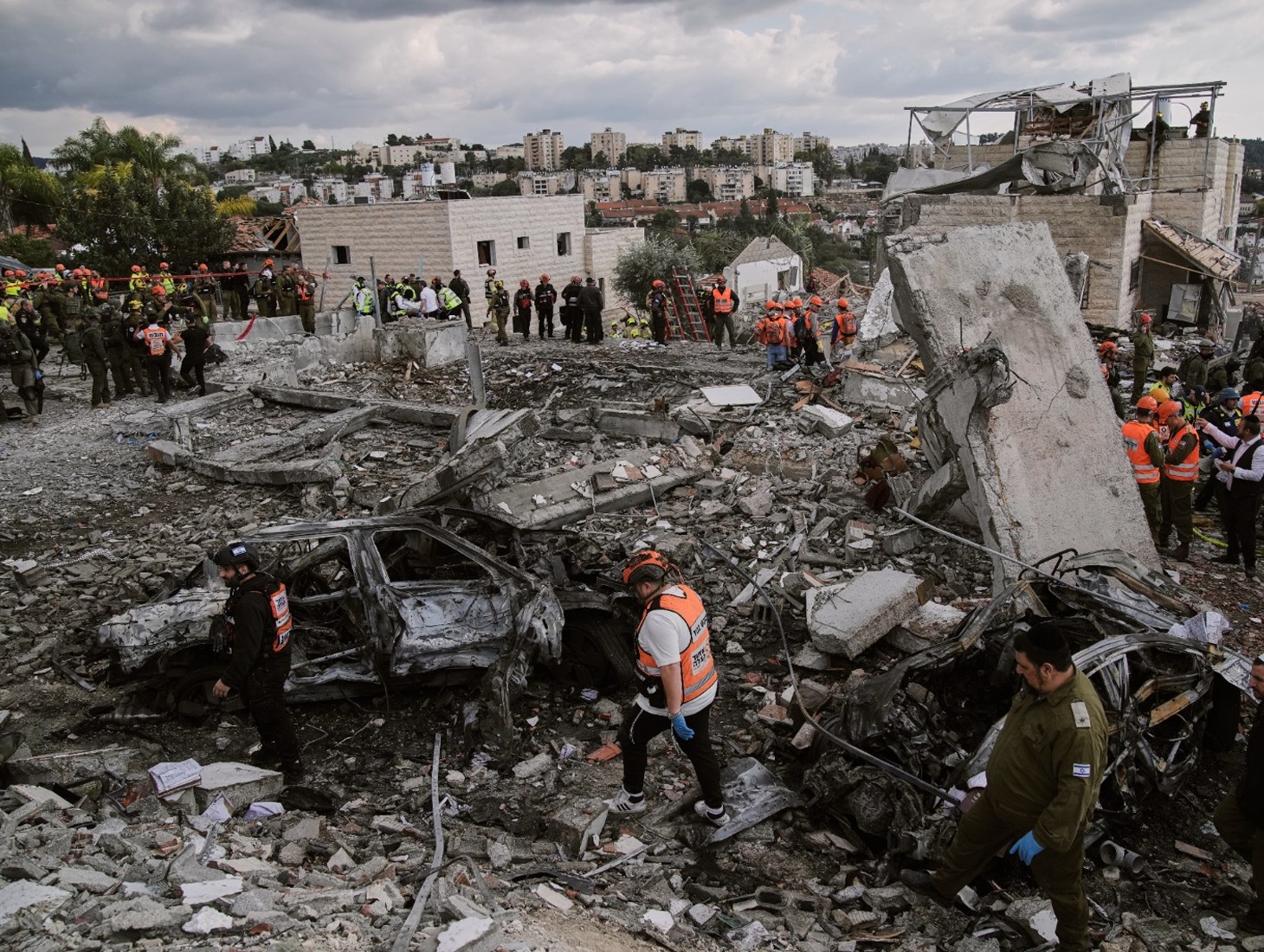
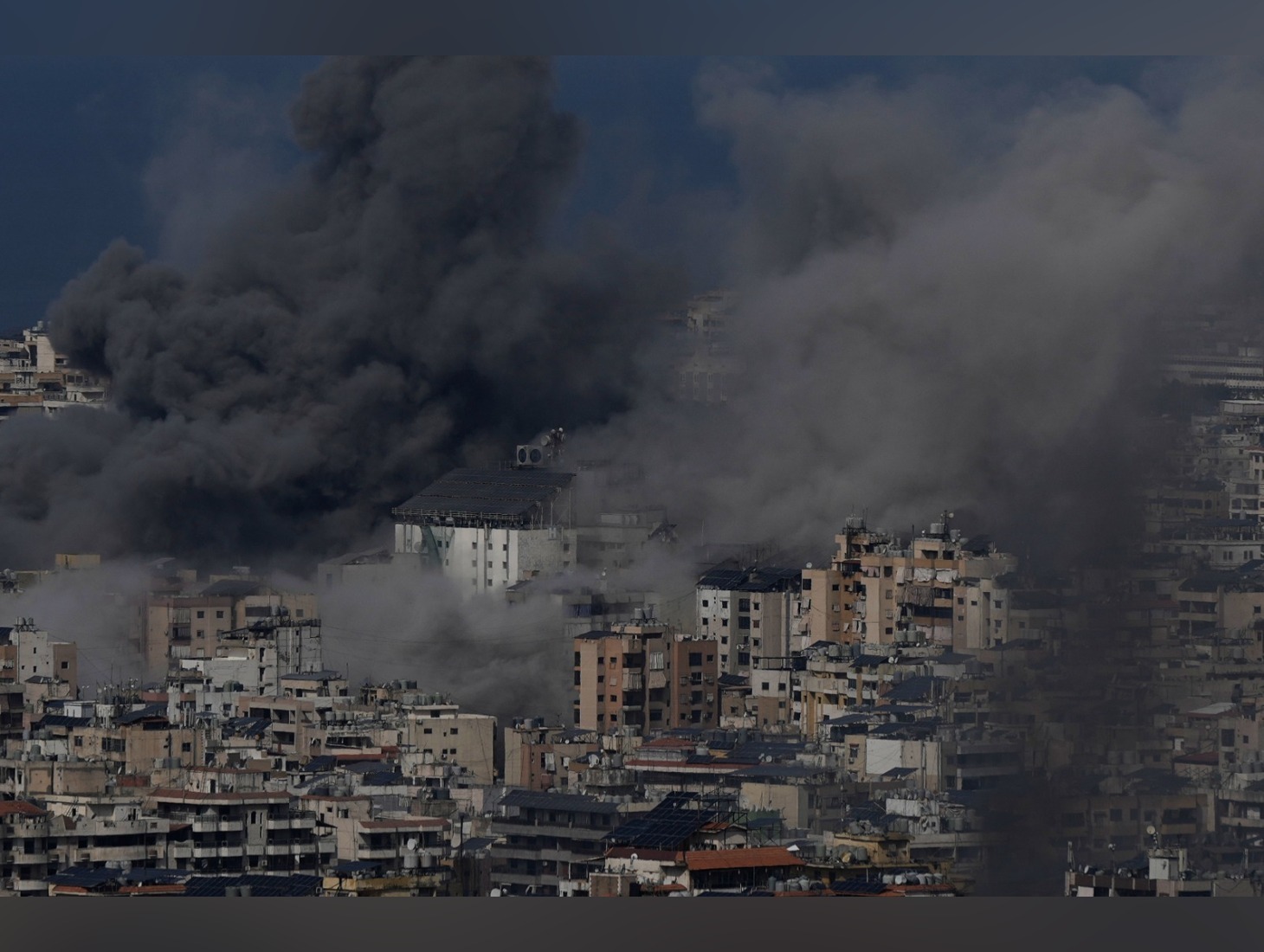
At the centre of the tension is Lebanon, where Israel carried out a fresh wave of strikes on Beirut and other areas, saying it was targeting Hezbollah positions. Iran says those attacks violate the spirit of the ceasefire, but Israel has made clear it does not believe the deal restricts its campaign against the Tehran-backed group.
Israeli Prime Minister Benjamin Netanyahu said Israel would continue to strike Hezbollah “with force, precision and determination”, signalling that the Lebanon front remains active despite the pause in direct hostilities between Iran and the US.
The human cost in Lebanon has been severe. Health officials there said at least 203 people were killed and more than 1,000 wounded in Wednesday’s strikes, making it the deadliest day in the country since the latest phase of fighting began in late February. Reports from southern Lebanon said further strikes overnight killed at least seven more people.
Iran reacted angrily. Parliament Speaker Mohammad Bagher Qalibaf warned that continued attacks on Hezbollah would carry what he called “explicit costs” and prompt a strong response. His comments added to fears that the ceasefire could unravel if the fighting in Lebanon intensifies further.
Beyond the battlefield, the Strait of Hormuz remains one of the most sensitive pressure points in the crisis. The narrow waterway is crucial to global oil shipments, and reports from Iranian media have suggested Tehran may have laid sea mines during the conflict. Even the possibility has kept markets and governments on edge, because any prolonged disruption there could send shockwaves through global energy supplies.
For Iran, the strait remains one of its strongest bargaining chips. For the US and its allies, reopening and securing the route is likely to be central to any lasting deal.
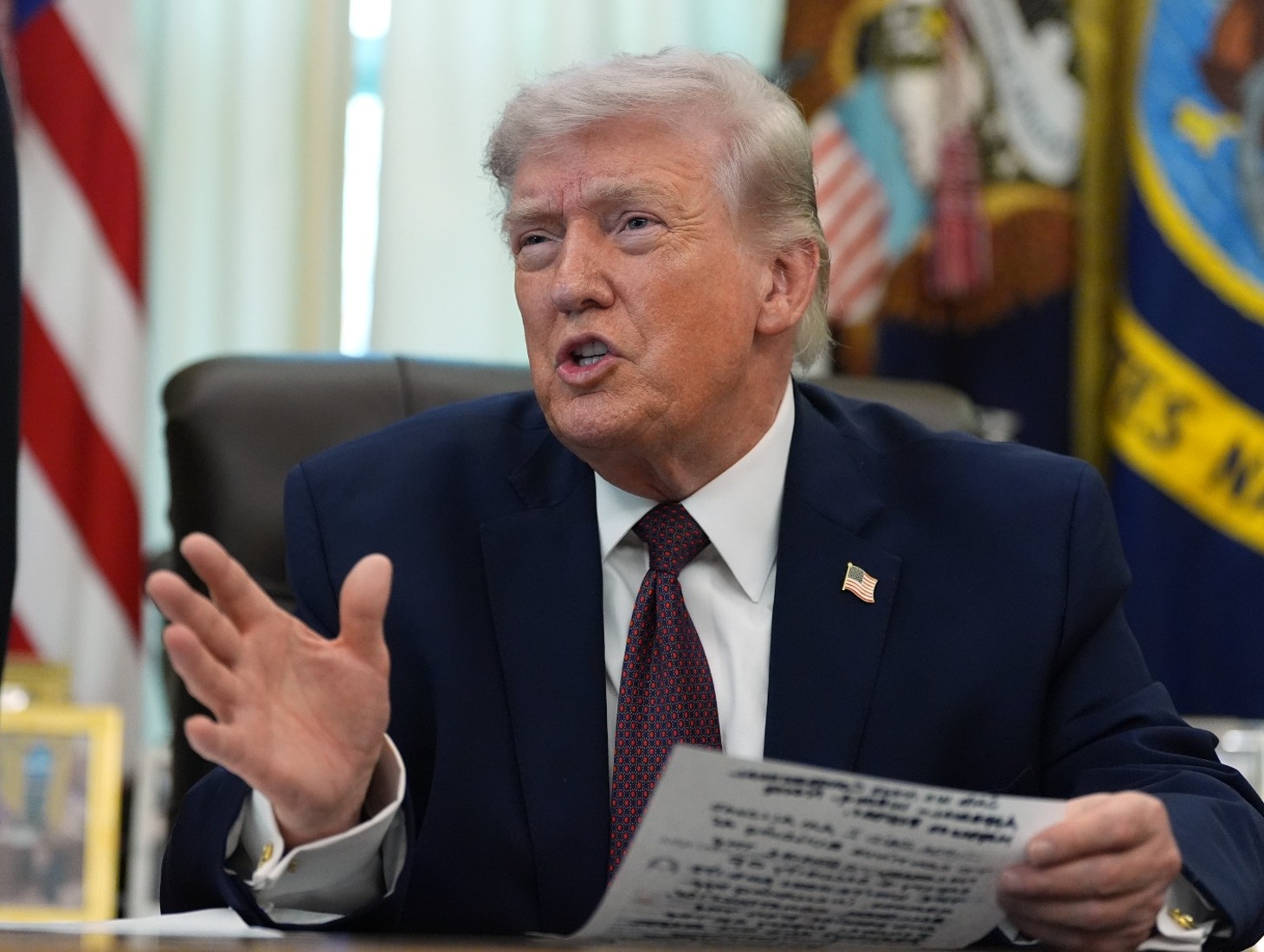
US President Donald Trump struck a combative tone on Thursday, warning that if Iran failed to honour the agreement, American forces would hit back even harder than before. His remarks underlined how quickly the current pause could collapse if either side concludes the other is acting in bad faith.