








 PTI
PTI
Dubai, April 17
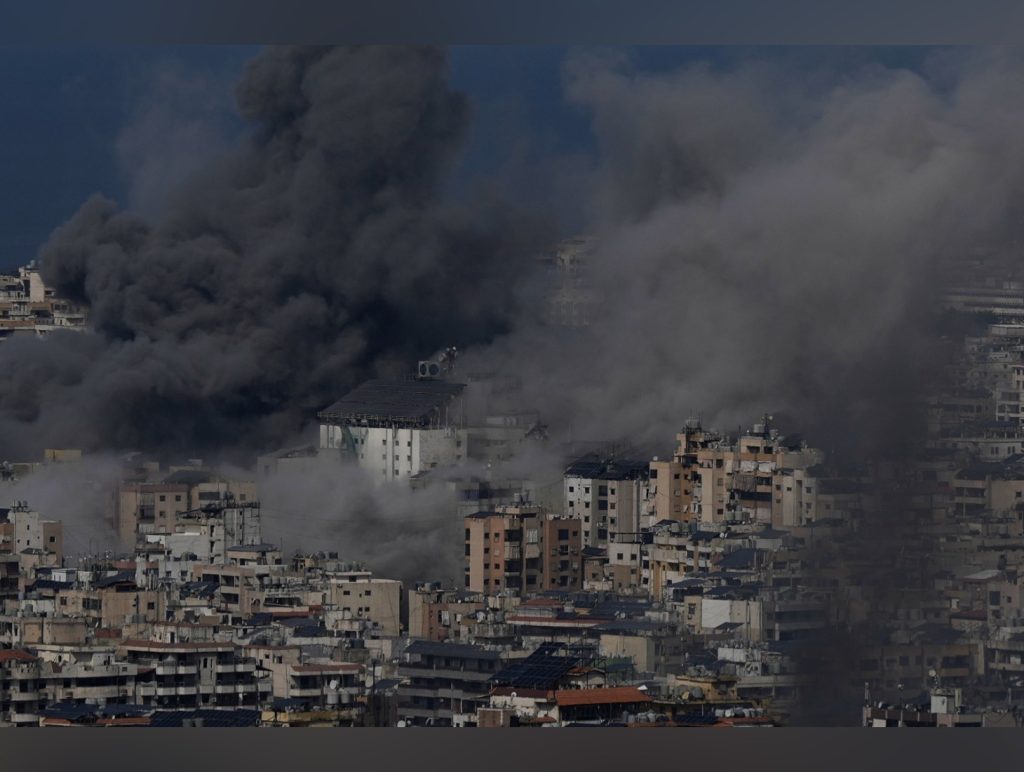
A 10-day ceasefire announced by US President Donald Trump and accepted by Lebanon and Israel remained in place on Friday, offering hope for extending a broader truce involving Iran, the United States, and Israel.
The halt in fighting between Israel and Hezbollah has reduced tensions in the region, though uncertainty remains over whether a long-term agreement between the United States and Iran can be achieved before the ceasefire ends next week. The truce is being viewed as a step forward in diplomatic efforts, as ending hostilities between Israel and Hezbollah has been a key demand of Iranian negotiators. Israel’s operations have been directed at the Iran-backed Hezbollah group within Lebanon rather than the Lebanese state.
Hezbollah said in a statement that any ceasefire must apply across the entire Lebanese territory and should not allow Israeli forces operational freedom. Israeli Prime Minister Benjamin Netanyahu said he agreed to the ceasefire to advance peace efforts, while maintaining that Israeli troops would not withdraw at this stage.
Diplomatic engagements have continued alongside the ceasefire, with Pakistan’s army chief meeting Iran’s parliament speaker on Thursday as part of efforts to extend the truce. Mediators are focusing on key issues, including Iran’s nuclear program, the reopening of the Strait of Hormuz, and compensation related to wartime damage.
The reopening of the Strait of Hormuz remains a major concern for the United States and the international community, as disruptions to the vital oil route have heightened fears of a global energy crisis. Leaders from France and the United Kingdom are set to meet with several countries to push for reopening the strait, although the United States will not be part of those discussions.
The conflict has caused significant loss of life, with reports indicating at least 3,000 deaths in Iran, more than 2,100 in Lebanon, 23 in Israel, and several fatalities in Gulf Arab states. Thirteen US service members have also been killed. The situation remains fluid, with ongoing diplomatic efforts expected to play a key role in determining whether the ceasefire can be extended and a broader agreement reached.
Washington/Tehran, July 9 A fragile truce in the Middle East came under renewed strain on…

Berlin, June 29 France recorded around 1,000 additional deaths during last week’s record-breaking heat wave,…
Beijing, June 22 China has announced new restrictions on several American companies, including a ban…