





New Delhi, April 17
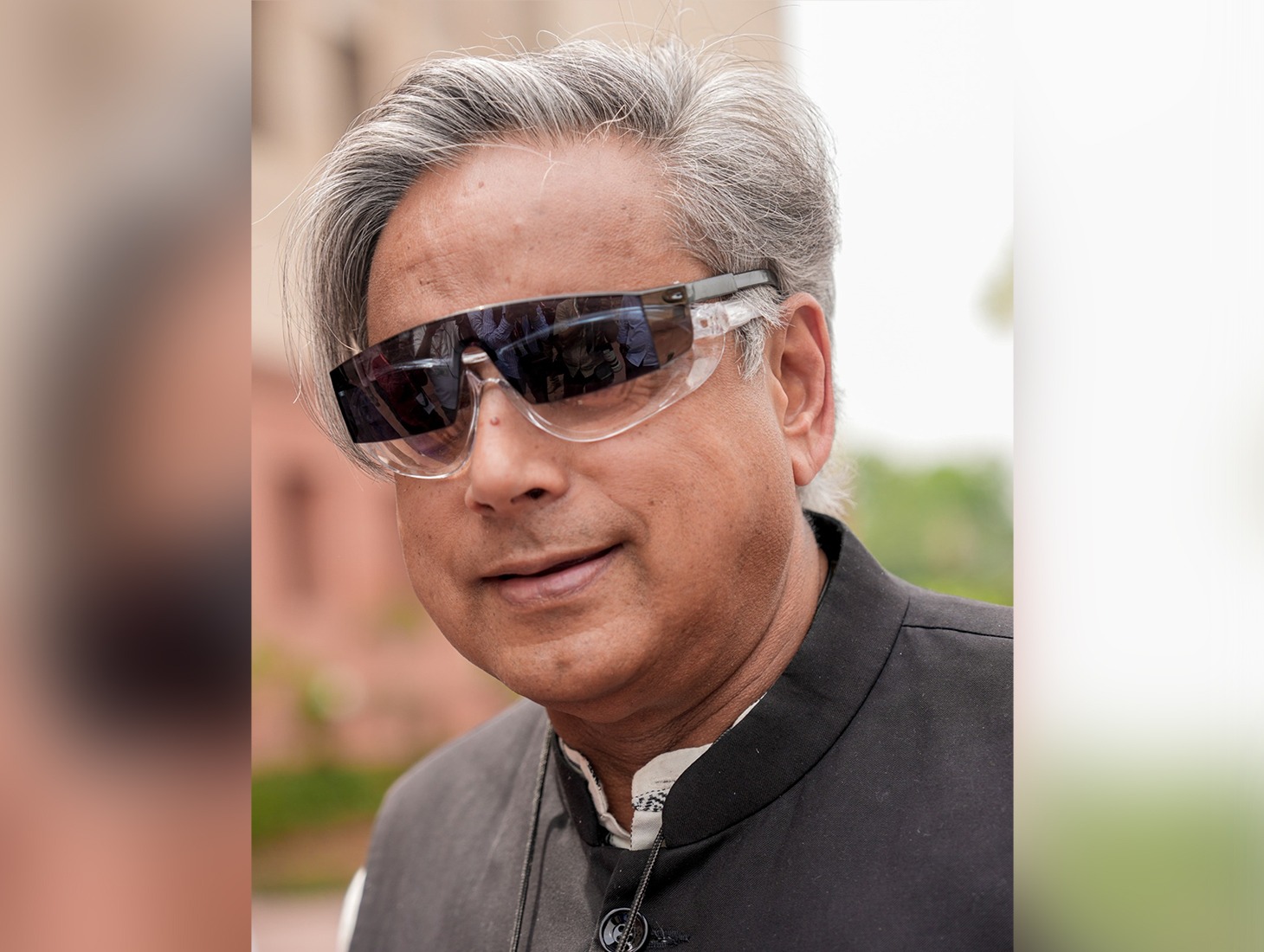
Senior Congress leader Shashi Tharoor on Friday criticized the government’s decision to link the implementation of women’s reservation with delimitation and expansion of Parliament, warning in the Lok Sabha that such a move could amount to what he described as “political demonetization”.
Participating in a debate on bills related to amendments to the women’s quota law and the establishment of a delimitation commission, Tharoor said the approach risks delaying a long-pending reform by tying it to a complex and contentious administrative exercise.
He said there is a broad political consensus in favor of women’s reservation and added that the time has come to move beyond symbolic measures. However, he expressed concern that the current legislative framework links the implementation of the quota to Parliament expansion, census data, and delimitation.
Questioning the rationale, Tharoor said a critical reform like women’s reservation should not be made dependent on a process that could take considerable time and involve complications. He said the move effectively puts women’s aspirations on hold. He argued that the quota can be implemented immediately based on Parliament’s existing strength. He also cautioned that delimitation is not merely a technical exercise but can significantly alter political representation and affect the federal structure.
Drawing a comparison with demonetization, Tharoor said the pace at which delimitation is being proposed raises concerns about its potential consequences. He warned that such an exercise could disrupt the political balance.
The debate follows the introduction of the Constitution Amendment Bill to modify provisions related to women’s reservation. The government has also introduced the Delimitation Bill and amendments to extend the proposed changes to Union territories such as Delhi, Puducherry, and Jammu and Kashmir. The issue is expected to remain under discussion as political parties examine the implications of linking electoral reforms with structural changes in parliamentary representation.