







 Dr Kiran Deep
The North News
New Delhi, April 2
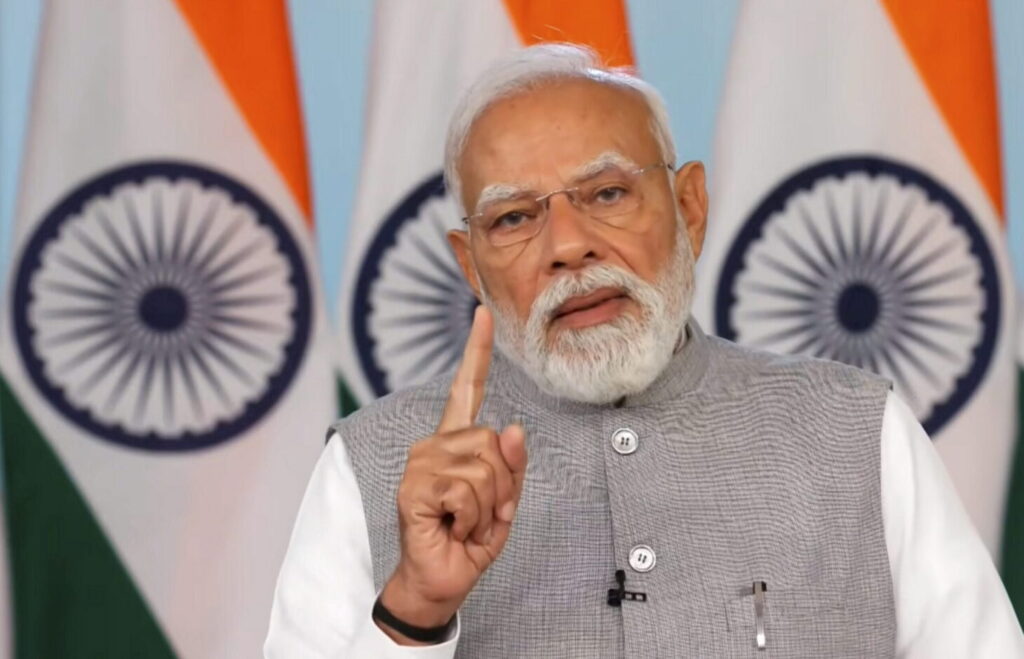
Prime Minister Narendra Modi on Wednesday chaired a second special meeting of the Cabinet Committee on Security (CCS) to review India’s preparedness in response to the ongoing conflict in West Asia, with a focus on fuel supplies, power availability, fertilisers and food prices. The meeting, held at 7 Lok Kalyan Marg in New Delhi, assessed measures already taken by various ministries and departments and discussed further steps to shield citizens and key sectors from the fallout of the regional crisis.
According to officials, the Cabinet Secretary briefed the CCS on efforts to secure petroleum supplies, particularly liquefied petroleum gas (LPG) and liquefied natural gas (LNG), amid concerns over disruptions linked to tensions in the region.
The government said it was diversifying sources of LPG and LNG imports by securing additional inflows from multiple countries. It also said domestic LPG prices had remained unchanged, while enforcement drives were continuing to prevent hoarding, black marketing and diversion of cooking gas.
Officials said steps were also being taken to expand piped natural gas connections and ensure adequate electricity supply during the peak summer months.
These include exempting gas-based power plants with a capacity of 7-8GW from the gas pooling mechanism and increasing coal rake availability to improve stock levels at thermal power stations.
The meeting also reviewed possible interventions in sectors likely to face pressure from the conflict, including agriculture, civil aviation, shipping and logistics.
On fertilisers, the government said it was working to maintain urea production and coordinating overseas supplies of DAP and NPK fertilisers to meet domestic demand. State governments have been asked to intensify checks against hoarding, black marketing and diversion through daily monitoring, raids and stricter enforcement.
Officials also said retail food prices had remained stable over the past month, even as the government set up control rooms to monitor price movements and coordinate with states and union territories under the Essential Commodities Act.
Prices of agricultural produce, vegetables and fruits are also being watched closely, the government said.
The CCS also discussed broader efforts to diversify India’s global supply chains for energy, fertilisers and other critical imports, while monitoring international diplomatic efforts and moves to ensure safe passage of vessels through the Strait of Hormuz.
Prime Minister Modi reviewed the availability of essential goods for ordinary citizens and stressed the need to ensure sufficient fertiliser supplies for both the Kharif and Rabi crop seasons.
He said every effort must be made to protect people from the impact of the conflict and called for the smooth flow of verified information to prevent misinformation and rumours.
The prime minister directed all ministries and departments concerned to take all possible measures to reduce difficulties faced by citizens and sectors affected by the fast-evolving global situation.
Two universities in Punjab. Two student protests. Two outbreaks of violence within days of each…
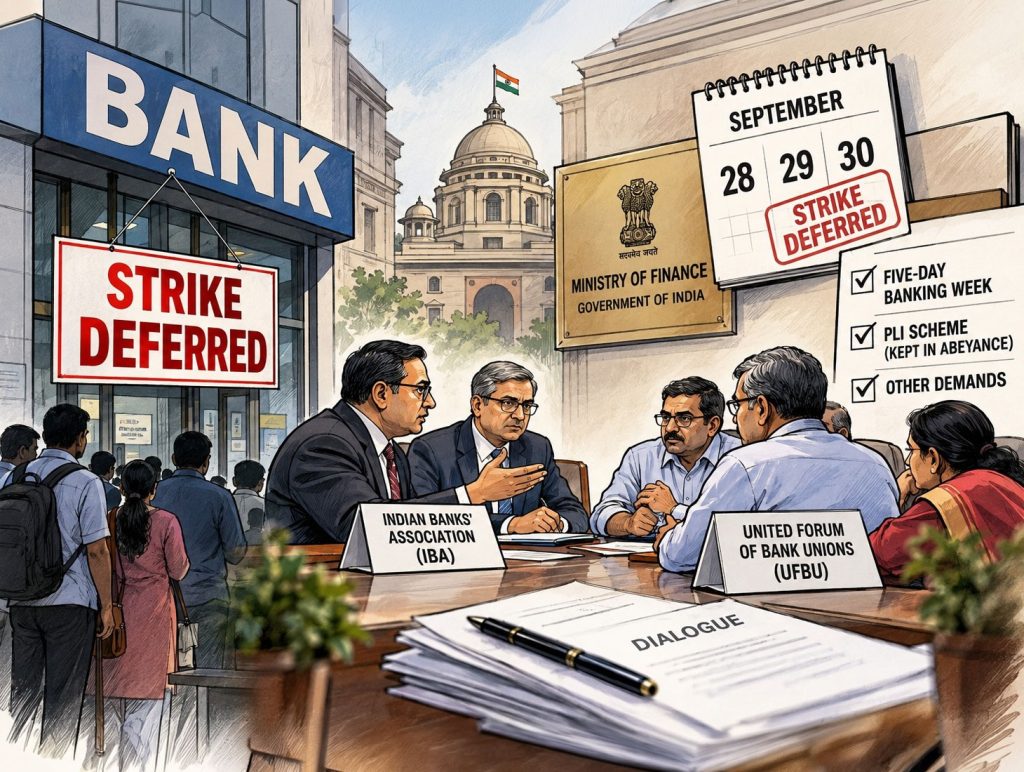
Five-day banking remains key demand; PLI scheme already kept in abeyance by government Chandigarh, September…
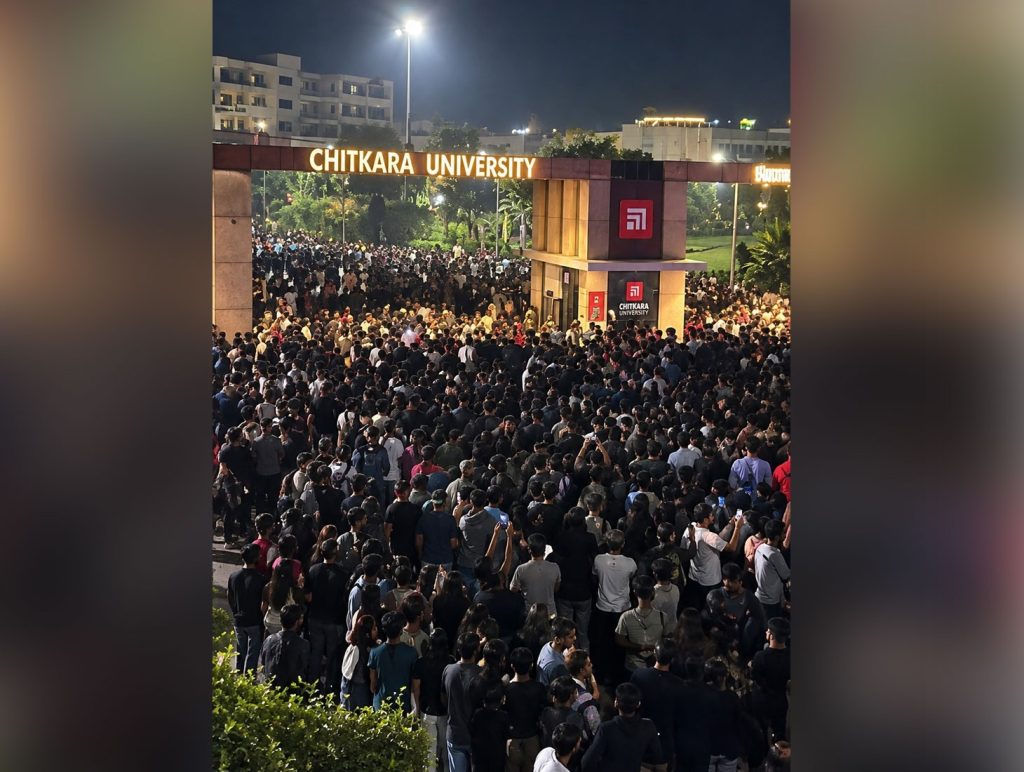
What happened at Chitkara University on September 25 and what followed at Lovely Professional University…
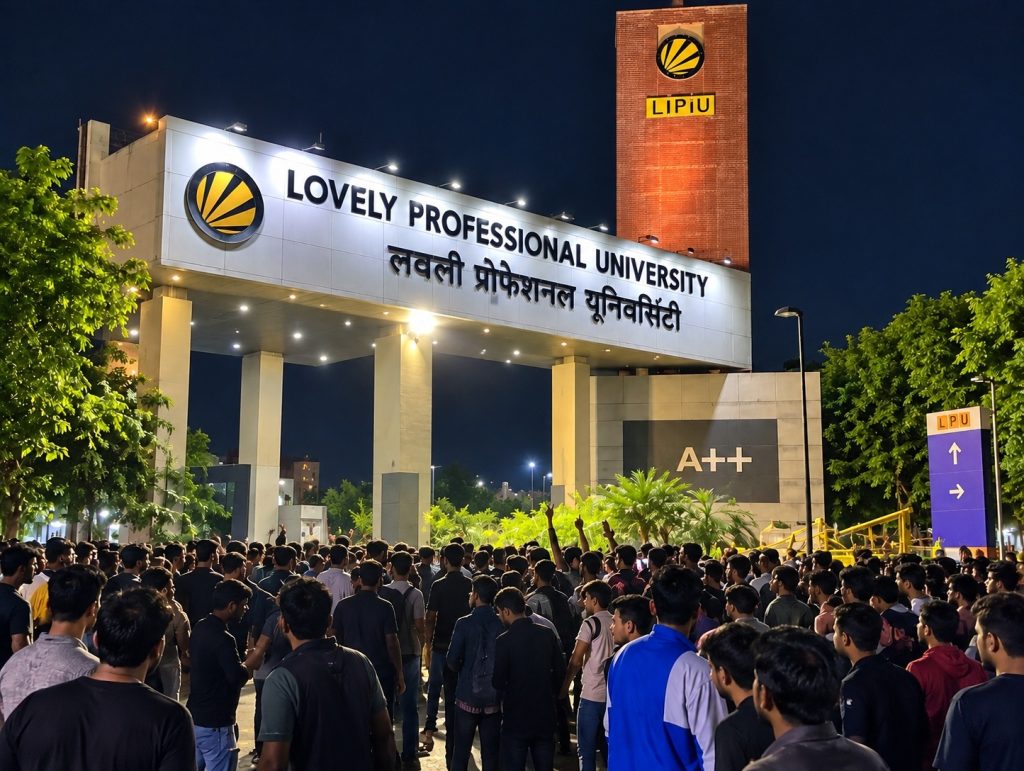
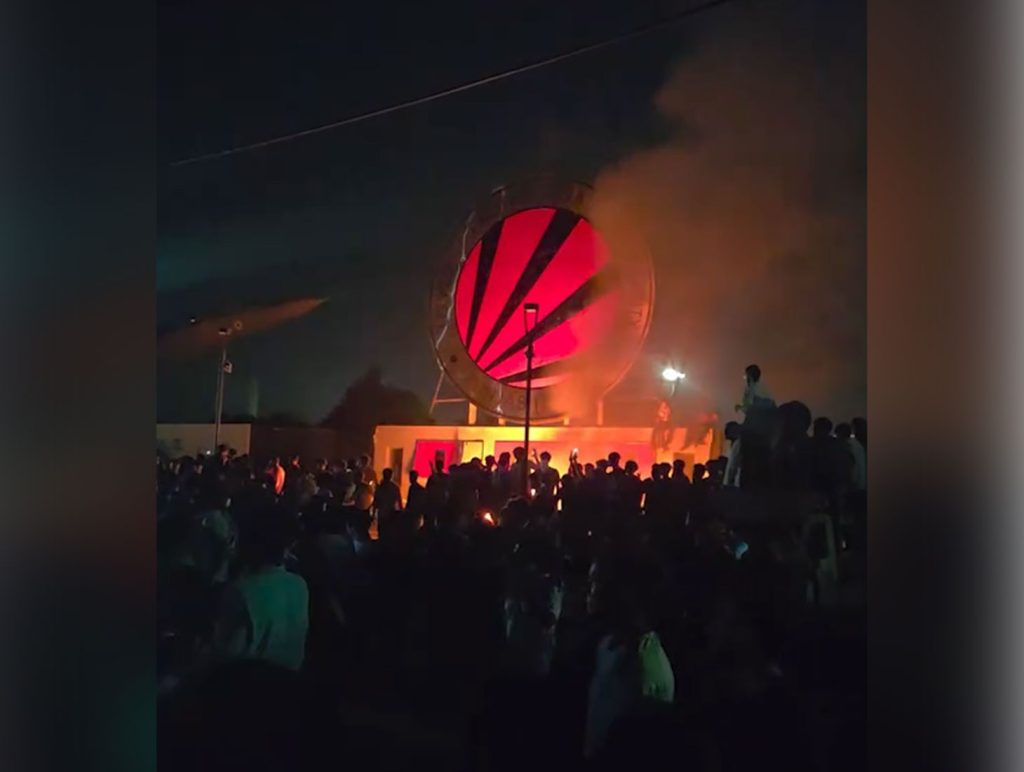
Chandigarh, September 27 A protest erupted at Lovely Professional University in Phagwara late on Saturday…