





 The North News
Yog Raj Sharma
The North News
Shimla, January 15
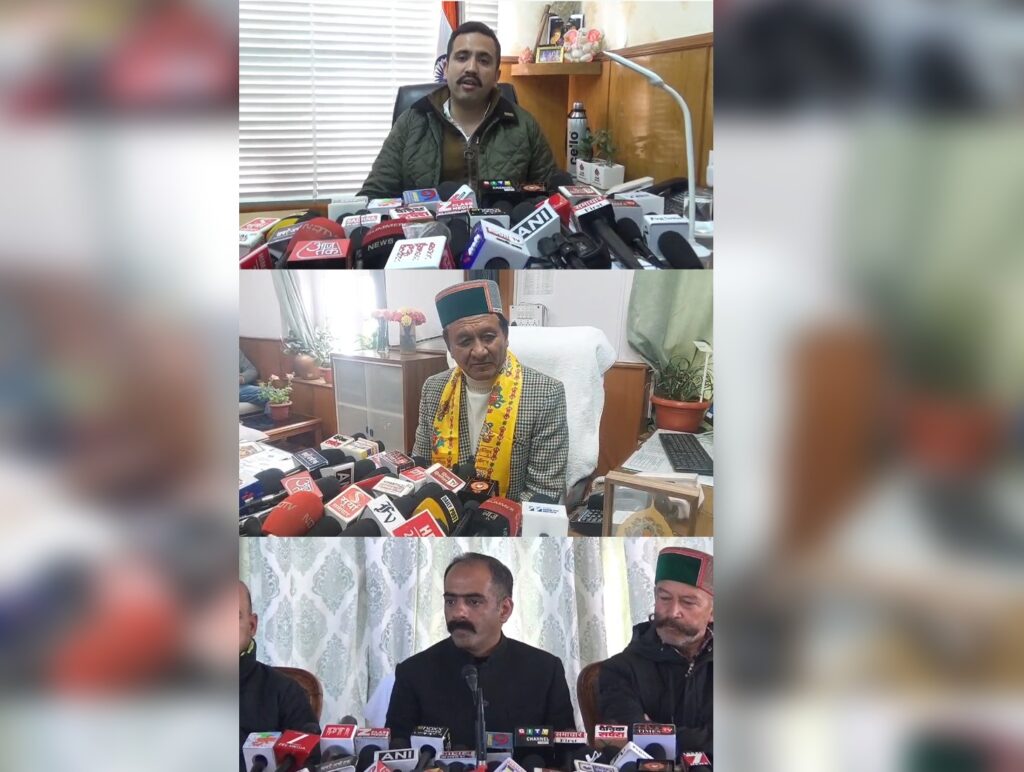
The Congress party in Himachal Pradesh is facing visible internal divisions after a controversial remark by Public Works Minister Vikramaditya Singh on IAS and IPS officers posted in the state, particularly those from Uttar Pradesh and Bihar. The strongest criticism has come not from the opposition but from within the government. Senior ministers Anirudh Singh and Jagat Singh Negi publicly described the statement as “unfortunate”, questioning both its intent and judgement. The ministers remark have exposed strains within the ruling party, which is struggling to project a united front. What might once have been dismissed as a passing comment has instead triggered a wider controversy, raising concerns about trust between the political leadership and the civil services.
As the row escalated, both the IAS Association and the IPS Association lodged formal protests, warning that such remarks were objectionable and damaging to morale. Representatives of the IAS Association met Chief Minister Sukhvinder Singh Sukhu, arguing that references to officers’ home states ran counter to the ethos of the All India Services.
They said officers serving in Himachal Pradesh, regardless of their state of origin, were performing their duties with neutrality and professionalism, and deserved institutional support rather than suspicion. The IPS Association went further, passing a resolution urging the government to take the matter seriously and to ensure a safe and professional working environment for police officers. It also warned against any repetition of such statements, signalling rare and open unease within the state’s police leadership.
The opposition Bharatiya Janata Party seized on the controversy. State BJP president Rajeev Bindal accused the Congress government of being consumed by infighting, claiming the secretariat had turned into a “battlefield” amid disputes between ministers and officials.
Bindal said the episode reflected a deeper governance crisis, with internal power struggles undermining administration and eroding public confidence.

Did information allegedly held by Sushant Singh Rajput’s former manager about drug trafficking, child abuse…
Bindal seeks transparent probe into mining, dredging and financial irregularity allegations against the Congress Shimla,…

The three-day B2B exhibition will feature tourism, hospitality, real estate, mobility and sustainable solutions. Manali,…
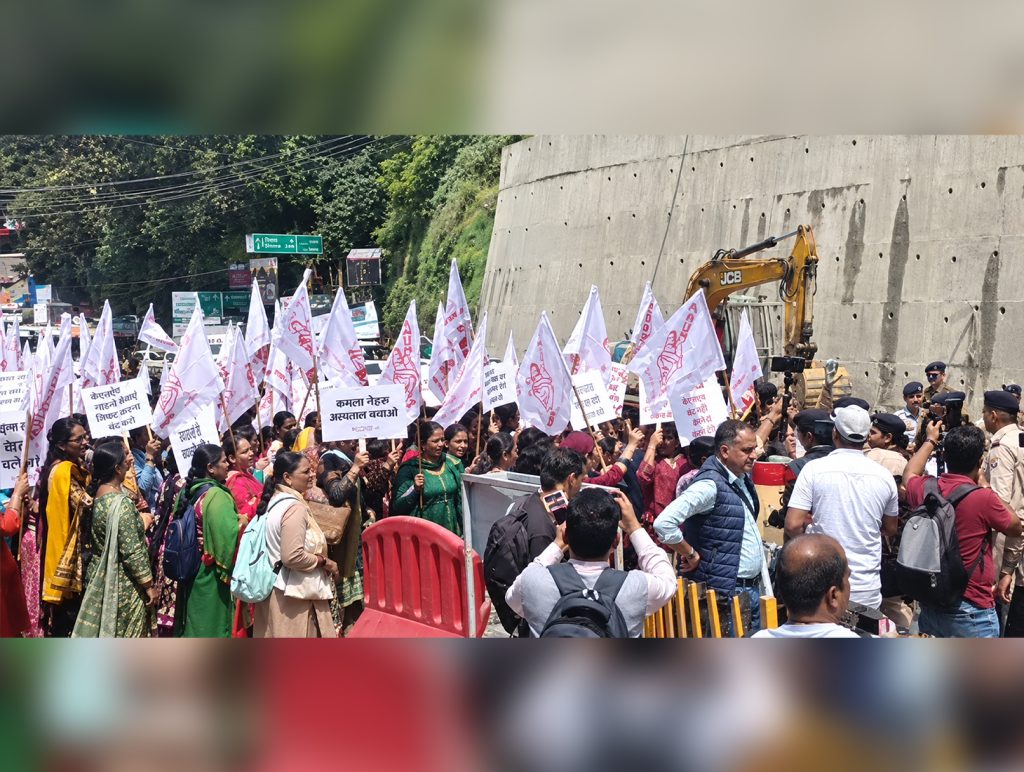
Mahila Samiti marches to Secretariat against relocation of gynaecology services; SFI, CITU extend support Shimla,…