





 The North News
The North News
Mussoorie, November 29
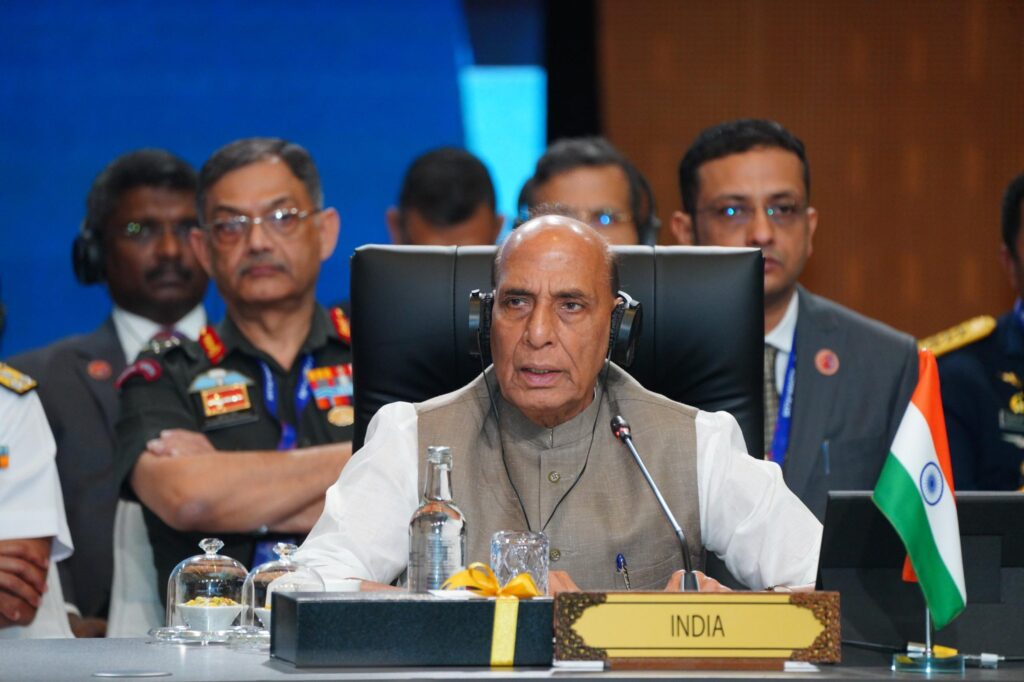
Defence Minister Rajnath Singh has praised Operation Sindoor as a “brilliant example of civil–military fusion”, telling young civil servants that administrative machinery and the Armed Forces must work “seamlessly” during crises. Addressing the valedictory ceremony of the 100th Common Foundation Course at the Lal Bahadur Shastri National Academy of Administration in Mussoorie today, he said the operation succeeded because officials helped build public confidence and ensured the smooth conduct of mock drills nationwide.
He said the Armed Forces had dismantled terror camps in Pakistan and Pakistan-occupied Kashmir in a “balanced and non-escalatory” response, but added that tensions persisted because of the “misconduct” of the neighbouring country. While commending military bravery, he stressed that administrators played a crucial role by communicating vital information “at the right time”. The Defence Minister linked this coordination to India’s long-term ambitions, saying tighter integration between governance and national security would help the country achieve the goal of becoming a Viksit Bharat by 2047.
He cited Prime Minister Narendra Modi’s principles of “Minimum Government, Maximum Governance” and “Reform, Perform and Transform”, telling trainees that their character “must be incorruptible” and their work rooted in public accountability. India’s rise from the world’s 11th to the fourth-largest economy in a decade, he said, placed increased responsibility on civil servants to uphold integrity.
Speaking about technology’s role in public administration, he urged young officers to innovate while ensuring that digital tools remain “a medium, not an end”. He highlighted the successes of the Jan Dhan financial inclusion movement, Direct Benefit Transfer, Ayushman Bharat Digital Mission, and the Income Tax Department’s faceless assessment system.
He also pointed to the Defence Ministry’s SAMPURNA initiative, an AI-driven automation system designed to improve transparency in defence procurement and payments. Technology, he said, must improve accessibility and inclusivity, especially for vulnerable groups.
He encouraged trainees to meet citizens with “empathy and understanding”, saying people’s struggles are shaped by wider social and economic factors. He welcomed the growing presence of women in the Civil Services, noting that a woman secured the top rank in the latest UPSC examination and that several more featured among the top candidates.
Calling the Foundation Course a commitment to building an efficient and sensitive governance system, he praised LBSNAA’s training environment, describing it as an institution central to strengthening India’s administrative capacity.
Paying tribute to former Prime Minister Lal Bahadur Shastri, he said the academy—named after a leader known for courage, simplicity and integrity—continues to shape generations of administrators. Singh also visited an ODOP Pavilion inaugurated on the campus and offered floral tributes to Shastri and Sardar Vallabhbhai Patel.
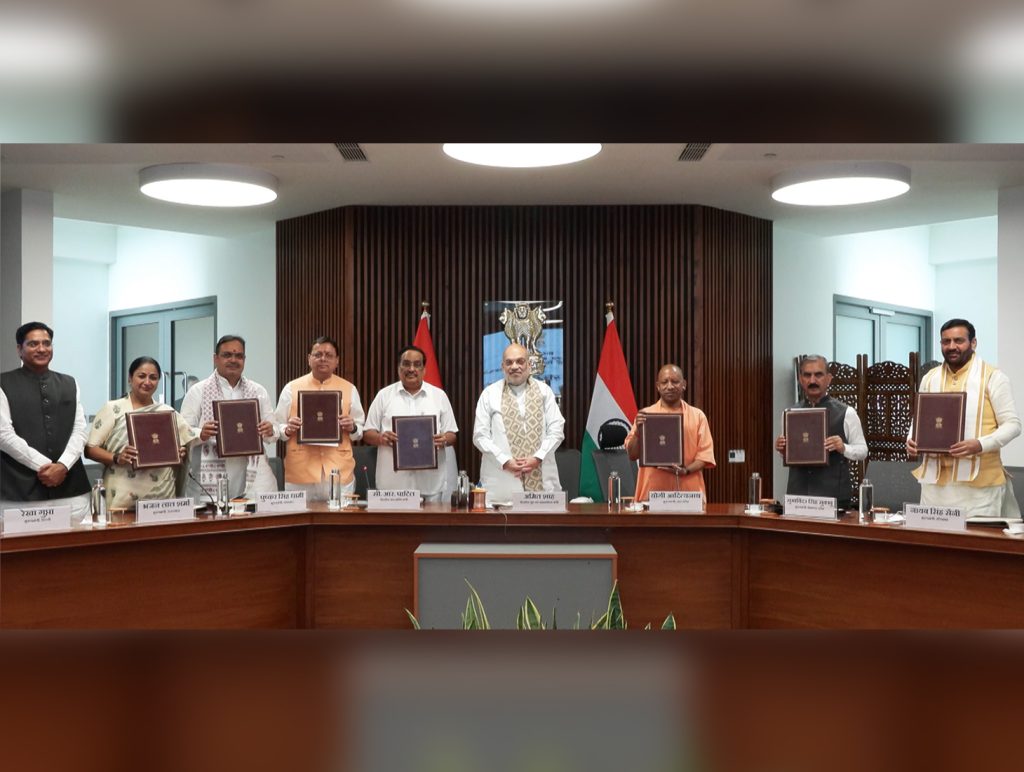
Six states sign Rs 15,624-crore pact; Delhi, Haryana and Rajasthan to bear state’s estimated power-component…

Did information allegedly held by Sushant Singh Rajput’s former manager about drug trafficking, child abuse…

New Delhi, September 14 Improving political, diplomatic and military engagement between India and China…
Chandigarh, September 14 Prime Minister Narendra Modi on Monday congratulated the Indian women’s cricket team…