


 The North News
The North News
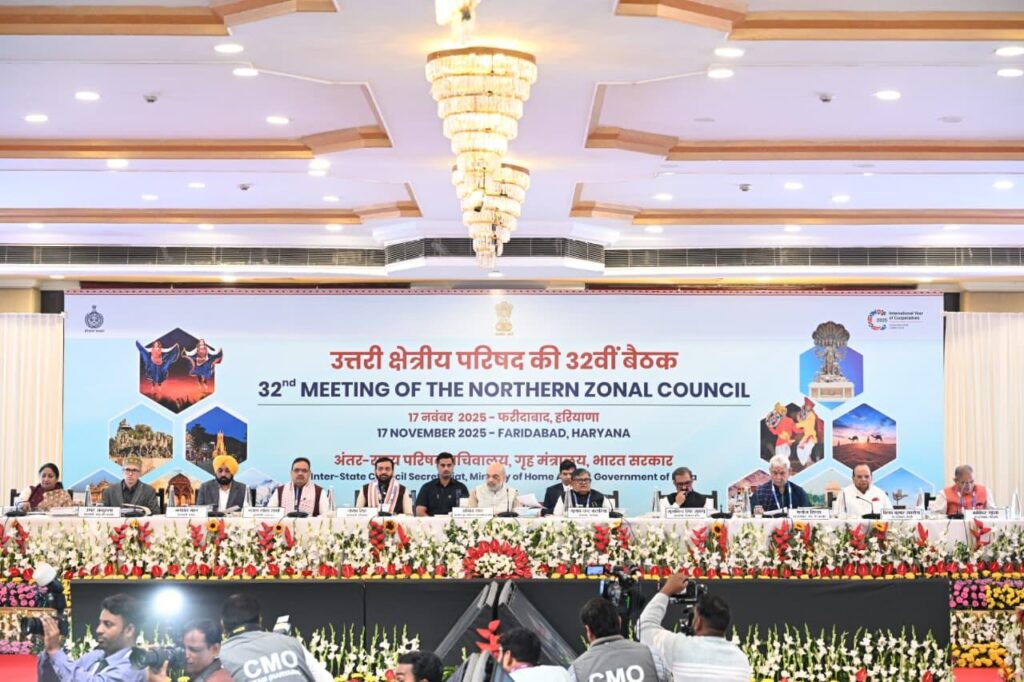
Faridabad (Haryana), November 17
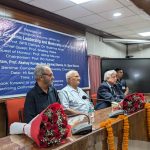
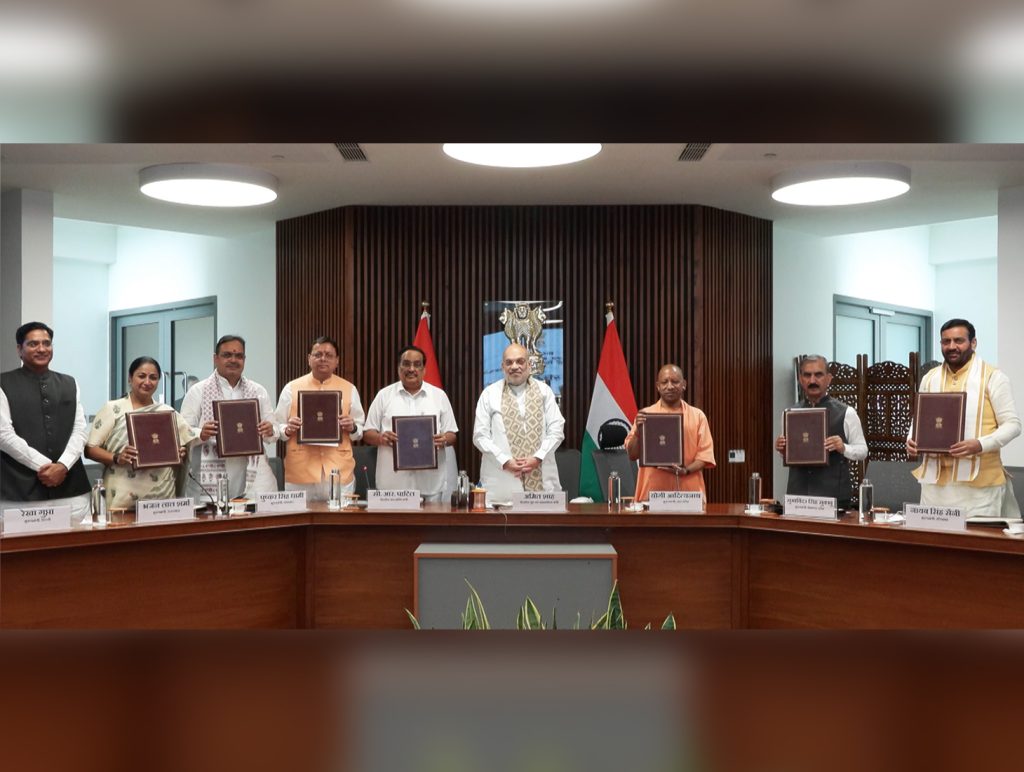
Punjab Chief Minister Bhagwant Singh Mann has reiterated his demand for Chandigarh, control of Panjab University and a fair share of river waters, raising the long-standing issues before Union Home Minister Amit Shah at the Northern Zonal Council meeting in Faridabad on Monday. Mann told the 32nd council meeting that India’s Constitution clearly defines the powers of the Union and the states, but argued that authority has steadily shifted towards the Centre over the past seven decades. State governments, he said, were best placed to understand and resolve problems on the ground.
Reiterating Punjab’s claim over Chandigarh, Mann cited the 1970 Indira Gandhi Agreement, which stated that the city’s capital project area would “as a whole” go to Punjab. He also referenced the 1985 Rajiv–Longowal Accord, which reaffirmed that Chandigarh would be transferred to Punjab. The failure to implement these commitments, he said, had “bruised the psyche of every Punjabi”.
Mann also urged the Centre to maintain the 60:40 personnel ratio between Punjab and Haryana in Chandigarh’s administration, warning that key posts in sectors such as excise, education, finance and health were increasingly being allocated to other cadres, undermining Punjab’s role. He pressed for the continuation of past practice in central postings, including the appointment of Punjab-cadre IAS officers to positions such as General Manager of the Food Corporation of India’s Punjab region and the Managing Director of CITCO.
On water sharing, Mann said the suspension of the Indus Waters Treaty offered an opportunity to resolve long-standing disputes. He proposed linking the Chenab with the Ravi and Beas rivers to better distribute water for irrigation and power generation across downstream states, including Punjab.
The chief minister also opposed a proposal to appoint a full-time Bhakra Beas Management Board member from Rajasthan, arguing that the board—constituted under the Punjab Reorganisation Act, 1966—concerns only Punjab and Haryana. Rajasthan and Himachal Pradesh, he said, already have ex-officio representation, and an additional full-time post would raise costs largely borne by Punjab.
Three cartridges, a motorcycle and scooter also seized during the operation Chandigarh, September 16 Counter…
Party’s Patiala rural in-charge Jaspal Singh Bittu Chatha also raises drug abuse and law and…
Six states sign Rs 15,624-crore pact; Delhi, Haryana and Rajasthan to bear state’s estimated power-component…
Search at DM Web Solutions office in Urban Estate Phase II began Tuesday night Patiala,…