








The North News
New Delhi, December 6
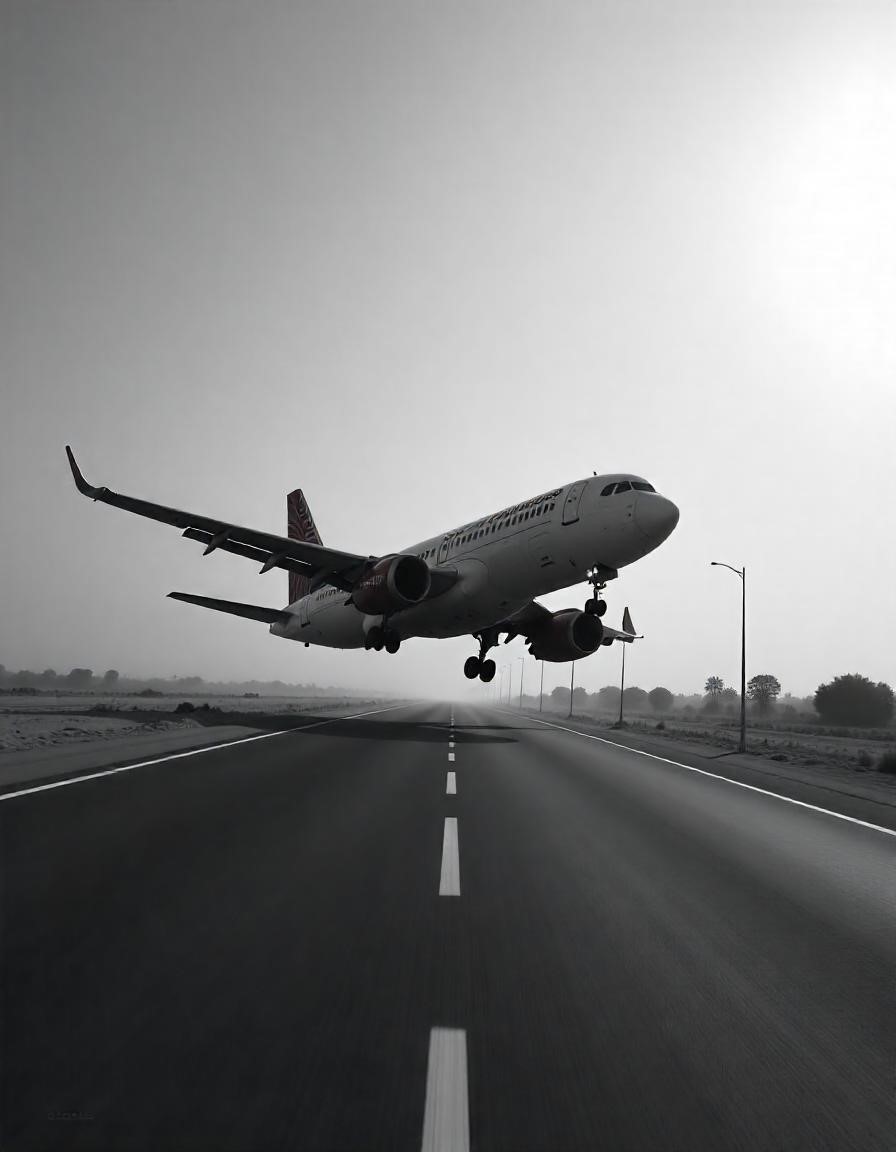
The chaos that engulfed India’s busiest airports this week did not surface overnight. It was the result of months of ignored warnings, regulatory deadlines and an airline determined to expand faster than it could staff its own flights. When IndiGo — the country’s largest carrier — suddenly began cancelling hundreds of services, the shockwaves exposed not only its own vulnerabilities but the fragility of India’s wider aviation ecosystem.
For four days, scenes of frustration played out across India’s major airports. Passengers jostled for information, families slept on terminal floors and queues snaked across departure halls as more than 1,000 IndiGo flights were cancelled in rapid succession. Delhi, Bengaluru and Hyderabad — the country’s busiest hubs — bore the brunt of the collapse, with travellers describing the experience as “harassment”, “abandonment” and “a total breakdown of service”.
A crisis of this scale was long in the making, aviation experts say. More than a year ago, India’s airlines were instructed to hire additional pilots, restructure rosters and prepare for new flight-duty regulations designed to bring crew rest norms in line with global safety standards. The rules followed court directives and were intended to reduce fatigue-based risks in a rapidly expanding aviation sector.
Most carriers adapted: Akasa, SpiceJet, Air India and Air India Express reworked schedules and increased staffing. But IndiGo — already operating the country’s largest fleet and an aggressive international expansion plan — stood apart. The airline continued to add new routes, both domestic and overseas, without matching the growth with adequate staffing.
So when the Directorate General of Civil Aviation (DGCA) moved to enforce the new rest-hour rules, IndiGo faced a stark choice: reduce flights or comply by grounding operations. Instead of trimming schedules gradually, the airline halted large parts of its network almost at once — triggering what one government official described as “a systemic shock”.
The fallout was immediate. Thousands of passengers were stranded, elderly travellers were left without assistance, and airport terminals buckled under the surge of displaced journeys. IndiGo’s contact centres struggled to cope, leaving many unable to rebook or obtain information.
On Friday, the government ordered a high-level inquiry, saying the disruption warranted a thorough examination of accountability and operational preparedness. The Ministry of Civil Aviation said the probe would identify lapses “wherever required” and recommend safeguards to prevent such crises in future. Passenger safety and care, it said, “remain the highest priority”.
To stabilise operations, the ministry temporarily suspended the DGCA’s Flight Duty Time Limitations (FDTL) order — a move officials insist was taken “without compromising safety”. The suspension, they said, was necessary to protect vulnerable groups, including senior citizens, students and medical travellers.
Authorities expect schedules to begin improving by Saturday, with a full recovery targeted within three days. Airlines have been told to strengthen real-time flight information systems, process automatic refunds, and provide hotel accommodation for travellers facing prolonged delays. On-ground support for senior citizens and differently abled passengers, along with refreshments for all affected travellers, has also been mandated.
IndiGo issued a lengthy public apology, calling the past few days “deeply difficult”. It pledged automatic refunds, fee waivers for cancellations and rebooking for travel between 5 and 15 December 2025, and arranged hotel rooms and transport for stranded customers. The airline also said food, snacks and lounge access for elderly passengers were being provided “wherever possible”.
A 24-hour national control room has been set up to monitor the situation. Officials say they remain “fully alert”, acknowledging that the episode has revealed uncomfortable truths about the pressures facing India’s fast-growing aviation market.
For many passengers still waiting in crowded terminals, the explanations offer little comfort. But the crisis has made one thing clear: the balance between rapid expansion and operational responsibility in Indian aviation is more precarious than it appears.
The Delhi Airport has issued an advisory saying it was “glad to update that IndiGo flight operations are now steadily resuming and getting back to normalcy following the brief disruption”. Passengers were advised to “check the status of your booking and flight before leaving from home”.