






The North News
Chandigarh, December 31
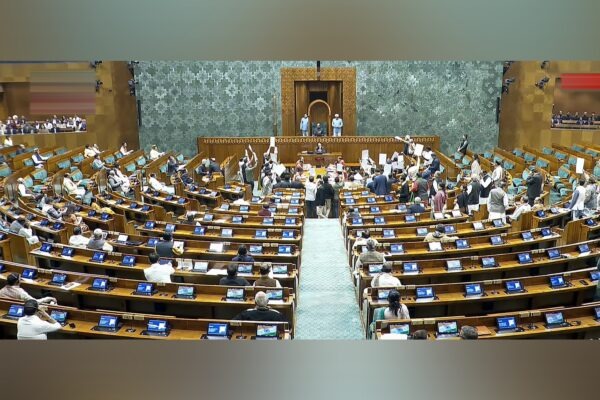
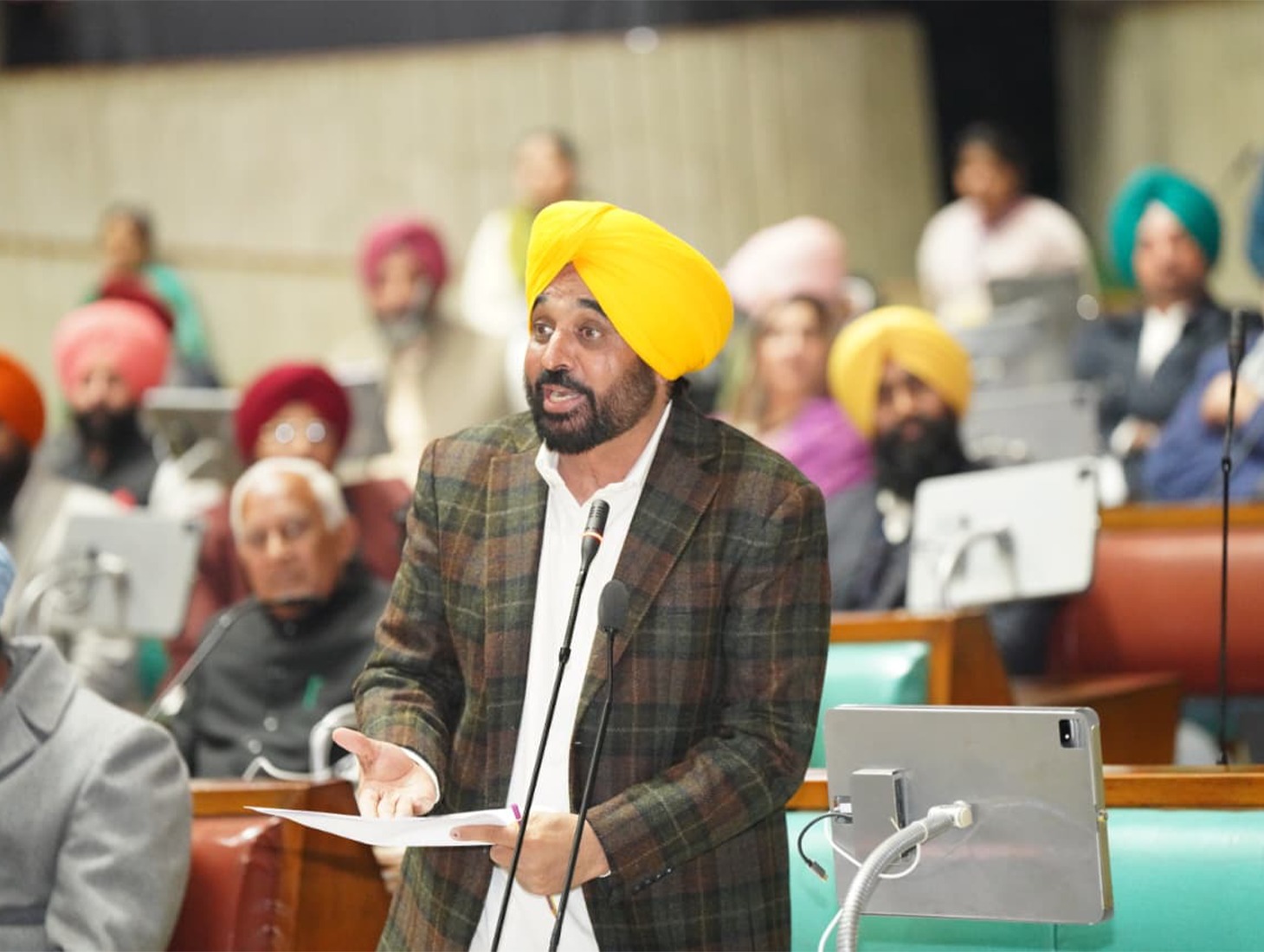
Chief Minister Bhagwant Singh Mann accused the Centre government of dismantling one of India’s most significant social safety nets, warning that the newly rechristened Viksit Bharat – Guarantee Rozgar and Ajeevika Mission (Gramin) was designed to strip the poorest citizens of “food, work and dignity”. Speaking as the House debated the future of the Mahatma Gandhi National Rural Employment Guarantee Act, Mann said the speed with which the new law had been pushed through parliament—passed within 14 hours—had hollowed out the very idea of a rights-based welfare state. What had once been a legal guarantee of work, he argued, had been reduced to a budget-bound promise that could be withdrawn at will.
Demanding an immediate rollback, the Chief Minister on Tuesday said the move exposed what he called the BJP’s “anti-Punjab mindset”, accusing the Centre of privileging favoured industrialists while eroding the economic foundations of rural India. He questioned how the country could aspire to be a “Vishav Guru” or a “Viksit Bharat”, while depriving its weakest citizens of their basic right to livelihood. He also criticised the Shiromani Akali Dal’s silence on the issue, calling it calculated and opportunistic.
Winding up the debate, Mann said the change in nomenclature—from MGNREGA to VB-G RAM (G)—was not cosmetic but ideological. It marked, he said, the death of a demand-driven law that had guaranteed wages and employment to poor workers, women and millions of job card holders, replacing it with a norm-based scheme that shifts financial risk onto the states.
“MGNREGA was conceived with care and debate under former Prime Minister Manmohan Singh,” Mann said. “This new law was rushed through in hours.”
The Chief Minister pointed to Punjab’s own data to underline the stakes. Last year, women accounted for nearly 60% of those employed under MGNREGA in the state, while Scheduled Castes made up about 70%. The beneficiaries, he said, were overwhelmingly from the most marginalised communities. Diluting the scheme would deepen inequality, weaken women and Dalits socially and economically, and push families back into distress migration.
Mann accused the Centre of dismantling labour guarantees even as it refused to provide a legal guarantee of minimum support prices for farmers. “The guarantee for labourers has been snatched,” he said, “while subsidies flow freely to the government’s favoured corporate friends.” Development, he added, was now being planned by “people sitting in air-conditioned offices in Delhi” with little understanding of village realities.
Broadening his attack, the chief minister linked the proposed changes to what he described as a pattern of hostility towards Punjab, citing Centre–state disputes over Chandigarh, Panjab University and the Bhakra Beas Management Board. He warned that the Agniveer recruitment scheme had already narrowed opportunities for Scheduled Caste youth, and that weakening rural employment guarantees amounted to another blow to household survival.
In a pointed aside, Mann accused the Congress of evading a clear position on the issue and indulging in political theatrics instead of confronting what he described as an “anti-poor” legislative shift. He also lashed out at individual opposition MLAs, accusing them of prioritising media attention over substantive debate.
The session concluded with the Assembly unanimously adopting a resolution condemning the Centre’s move. Introduced by rural development minister Tarunpreet Singh Sond, it declared the dilution of MGNREGA not merely an administrative rollback but a direct assault on Dalit livelihoods, dignity and survival.
The resolution described MGNREGA as the last economic lifeline for many rural Dalit families, enabling employment within villages, access to education for children and a measure of self-respect. Undermining it, the House said, would force migration to urban slums and strip the BJP of any moral authority to seek Dalit support.
The Assembly demanded an immediate reversal of the decision, restoration of MGNREGA in its original rights-based form, and a firm guarantee of work and timely wages—reiterating that Punjab stood with its poorest citizens, not against them.