





The North News
New Delhi, May 26
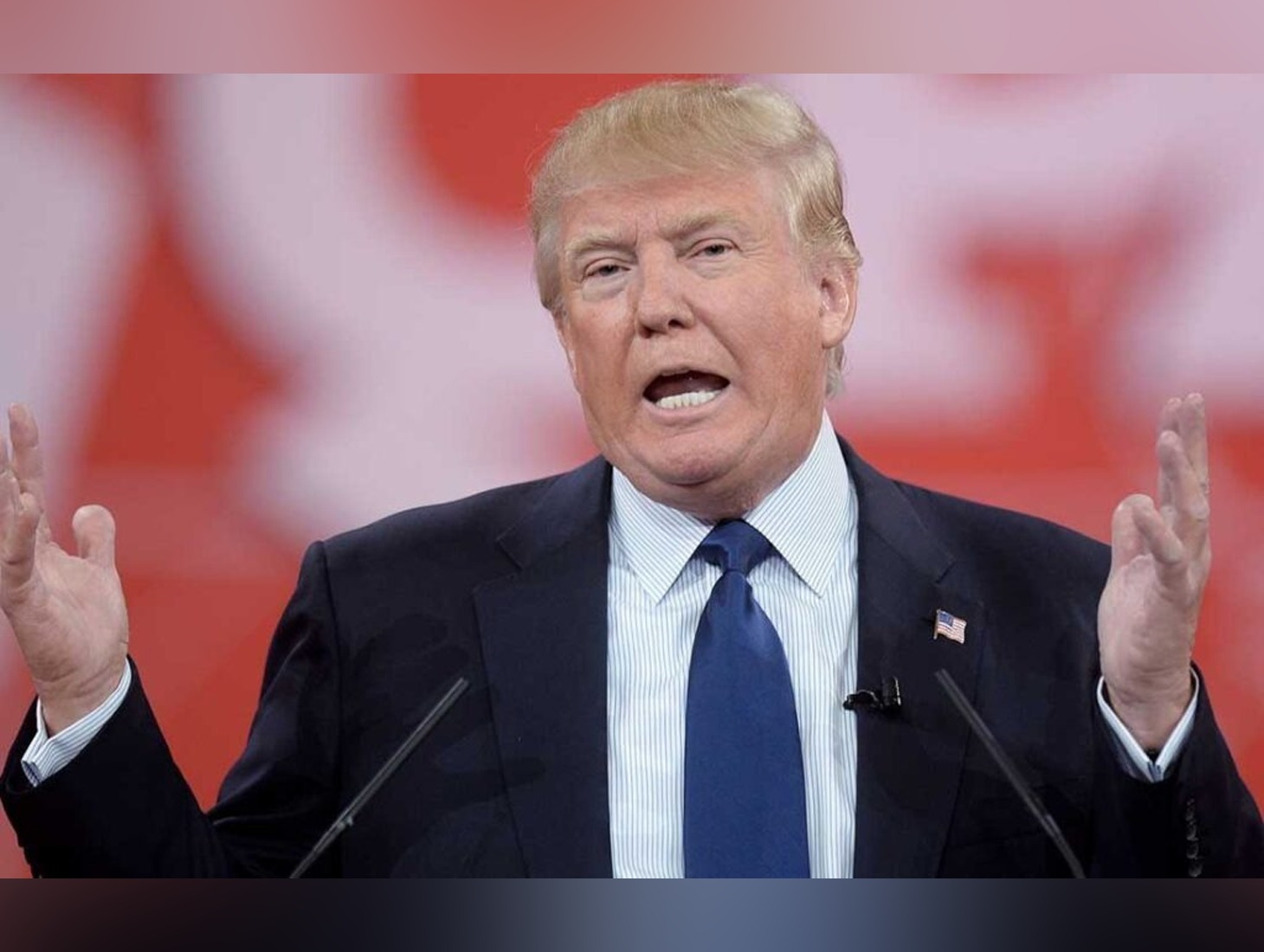
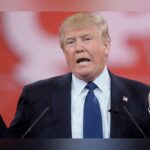
In his trademark style, US President Donald Trump has once again thrust himself into the centre of a geopolitical crisis with little more than bravado and sweeping pronouncements. This time, it’s the war in Ukraine – a conflict marked by destruction, suffering, and deeply complex international diplomacy – which Trump has casually attempted to frame as a crisis that could have been “avoided” under his watch.
In a post on social media platform, Trump claimed that Russia’s President Vladimir Putin has “gone absolutely CRAZY,” accusing him of needlessly killing civilians and pushing for total control of Ukraine. While he professed to having had a “very good relationship” with Putin in the past, Trump now distances himself from the Russian leader, warning that the invasion could be the beginning of Russia’s downfall.
These comments come on the heels of Trump’s self-congratulatory tone over an earlier claim of helping facilitate a ceasefire between India and Pakistan—a claim that India flatly rejected. That instance, much like his Ukraine commentary, underlines a pattern: Trump prefers theatrics over substance, seeking applause where diplomacy demands discretion.
Trump didn’t stop at criticising Putin. He turned his ire on Ukrainian President Volodymyr Zelenskyy, stating that the leader “is doing his country no favours” and accusing him of stirring further trouble. “Everything out of his mouth causes problems,” Trump wrote, adding, “It better stop.” Such language not only undermines the Ukrainian struggle for sovereignty but also sends dangerous signals at a time when global alliances are being tested.
Framing the war as “Zelenskyy’s, Putin’s and Biden’s” conflict, Trump conveniently absolves himself of responsibility while positioning himself as a would-be peacemaker. He claims that, had he remained president, “this war would never have started”—a boastful refrain that ignores the intricacies of European security and decades of post-Soviet tension.
Meanwhile, world leaders—far from Trump’s orbit—are moving ahead with real consequences. President Zelenskyy continues to coordinate with European allies in France, Germany, and the UK to impose stricter sanctions on Moscow. Their efforts involve high-level diplomacy and sustained engagement, not dramatic declarations over social media.
Trump’s interventions, while headline-grabbing, carry little weight in actual policymaking. His prior clashes with Zelenskyy has already cast a long shadow over his credibility in Eastern Europe. Today, his rhetoric risks complicating rather than contributing to global efforts for peace.
Trump may be desperate to reclaim the spotlight, but the world’s most pressing conflicts cannot be solved through slogans and social media storms. In international diplomacy, facts matter, consistency matters—and above all, quiet competence matters.