




Washington, April 2
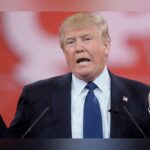
US President Donald Trump has said American forces will “finish the job” in Iran soon, declaring that Washington’s “core strategic objectives are nearing completion” in his first national address since the conflict began more than a month ago.
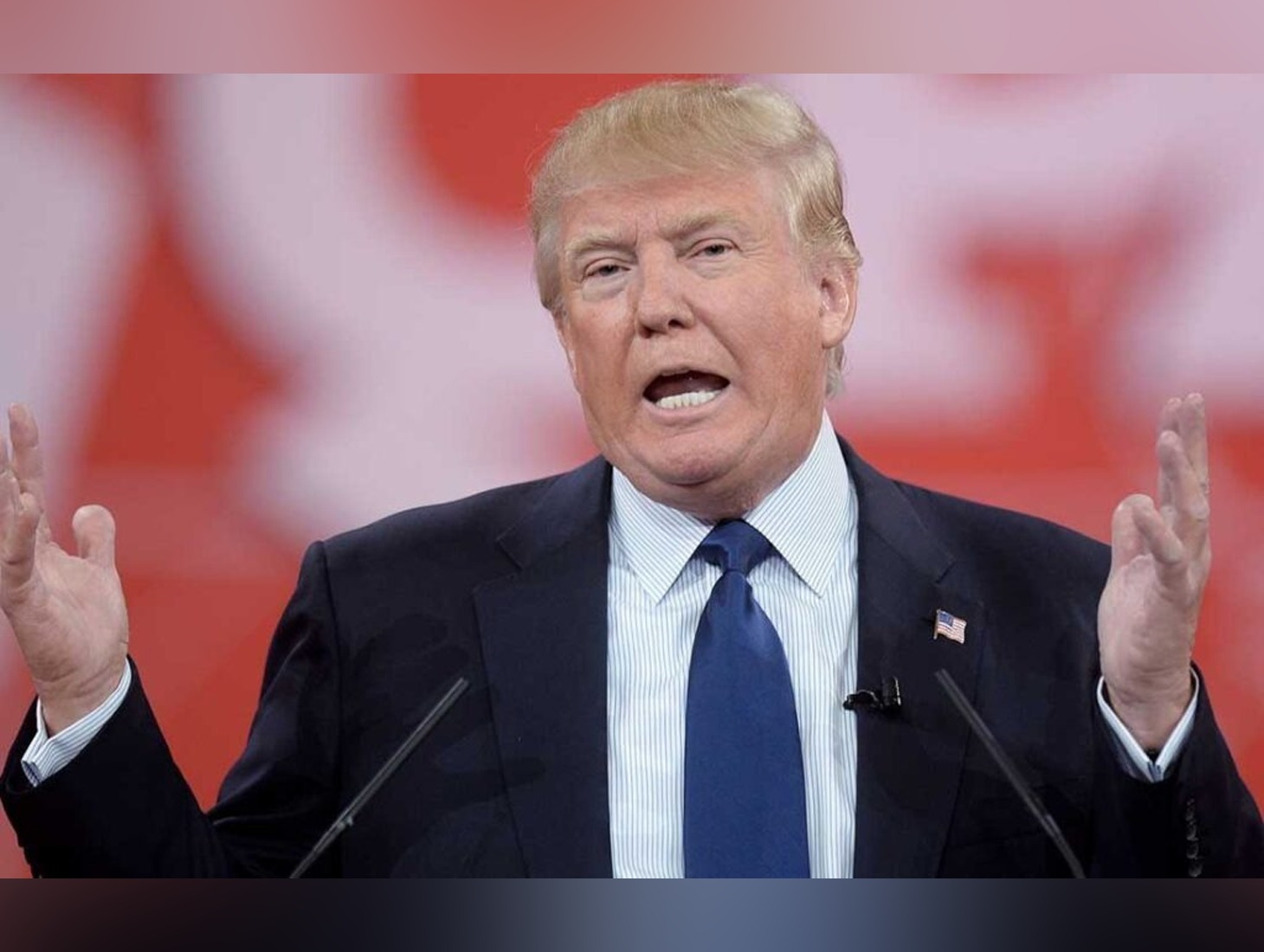
In a televised speech, Trump strongly defended the US campaign, saying military operations had met or exceeded expectations so far. He warned, however, that Iran would continue to face heavy attacks in the coming weeks. “We are going to hit them extremely hard over the next two to three weeks,” Trump said. “We are going to finish the job, and we’re going to finish it very fast.”
The address, which lasted just under 20 minutes, offered little in the way of new policy details. Much of the speech repeated themes the president has already raised in recent weeks, including his insistence that the US military campaign has significantly weakened Iran.
Trump said US strikes had delivered “swift, decisive” results and claimed Iran was “really no longer a threat”, despite reports that Iranian attacks on Israel and countries in the Gulf continued into early Thursday.
He also suggested the US had no immediate need to send ground forces into Iran or seize its stockpile of enriched uranium. Referring to strikes on Iranian nuclear facilities, Trump said the sites had been hit so hard that “it would take months to get near the nuclear dust”, adding that they remained under close satellite surveillance.
The President did not mention the possibility of negotiations with Tehran, nor did he refer to his previously stated 6 April deadline for Iran to reopen the Strait of Hormuz — the key global oil shipping route whose disruption has pushed up energy prices.
He also made no direct reference in the speech to NATO, although he has repeatedly criticised the alliance for failing to do more to help secure the strait.
Trump used the address to urge other countries dependent on oil flowing through the Strait of Hormuz to take a greater role in restoring access.
He said nations that rely heavily on the route should “build some delayed courage” and “go take it”, in remarks likely to draw international attention.
The President also appeared to ask Americans for more time, comparing the current war’s 32-day duration with far longer conflicts such as World War One, World War Two, Korea, Vietnam and Iraq.
Hours before the address, Trump had used even sharper language at a White House Easter lunch, where he suggested the US could simply seize Iranian oil.
“We could just take their oil,” he told guests, according to video later uploaded and then removed by the White House. He added that while some Americans wanted the war to end quickly, others were saying: “Just win. Come home.”
At the same lunch, Trump again criticised allies and major Asian economies for not doing more to reopen the Strait of Hormuz. He said countries such as South Korea, Japan and China — all major importers of oil passing through the waterway — should take greater responsibility.
In a separate social media post on Wednesday morning, Trump claimed that “Iran’s New Regime President” wanted a ceasefire, though it was unclear whom he meant, as Iran’s president remains the same.
Iranian Foreign Ministry spokesman Esmail Baghaei dismissed the claim as “false and baseless”, according to Iranian state television.
Earlier in the day, Iranian President Masoud Pezeshkian published a lengthy message in English on X, appealing directly to the American public and arguing that Tehran had pursued diplomacy before the US abandoned negotiations.
“Exactly which of the American people’s interests are truly being served by this war?” he wrote.
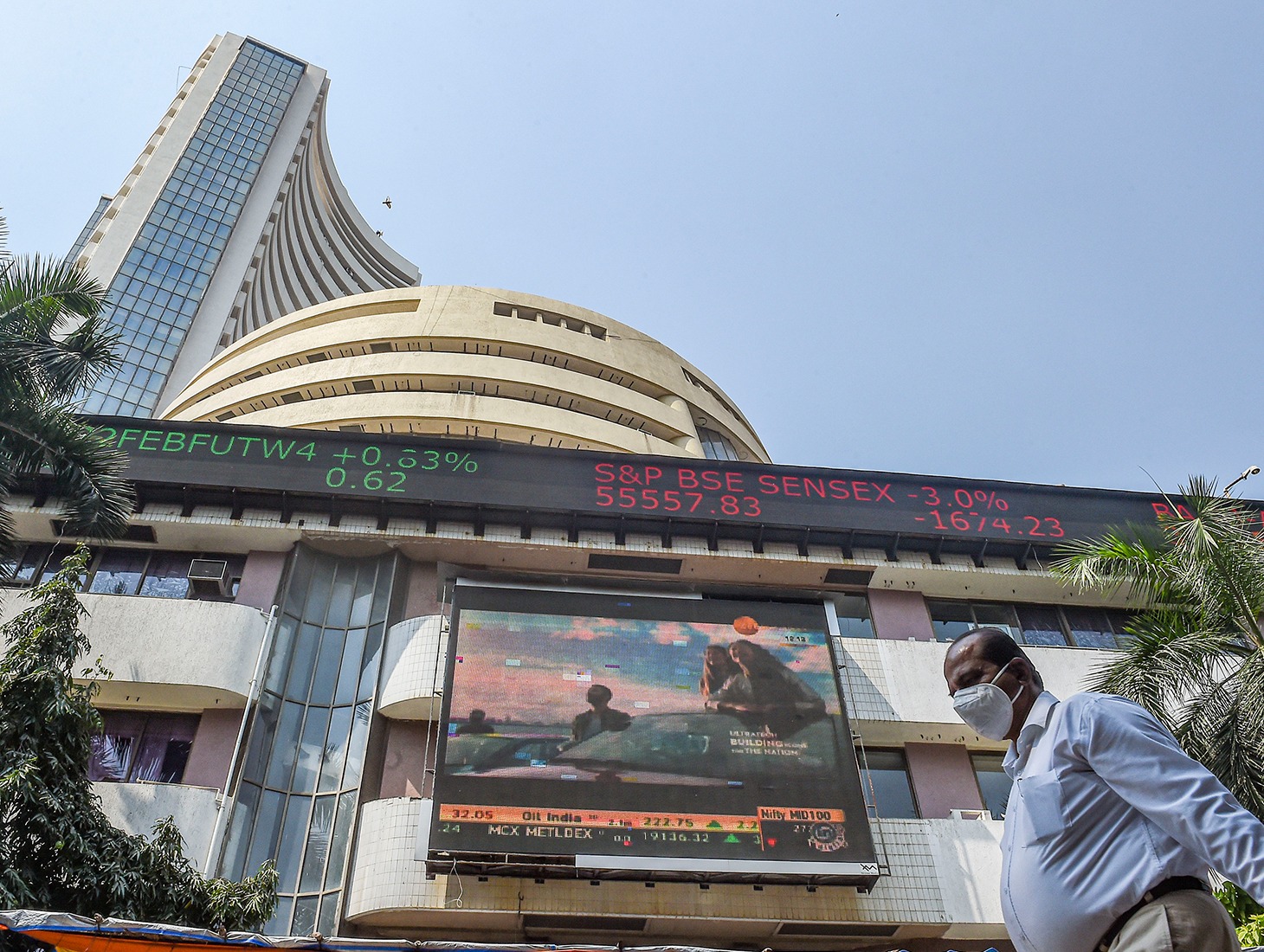
Trump’s speech came as public concern in the US appears to be rising over the scale of military action in Iran, with opinion polls suggesting many Americans believe Washington may have gone too far. Financial markets also reacted swiftly, with oil prices rising more than 4% and Asian stocks falling after his remarks signalled the conflict would continue in the near term.