







Dubai, March 23
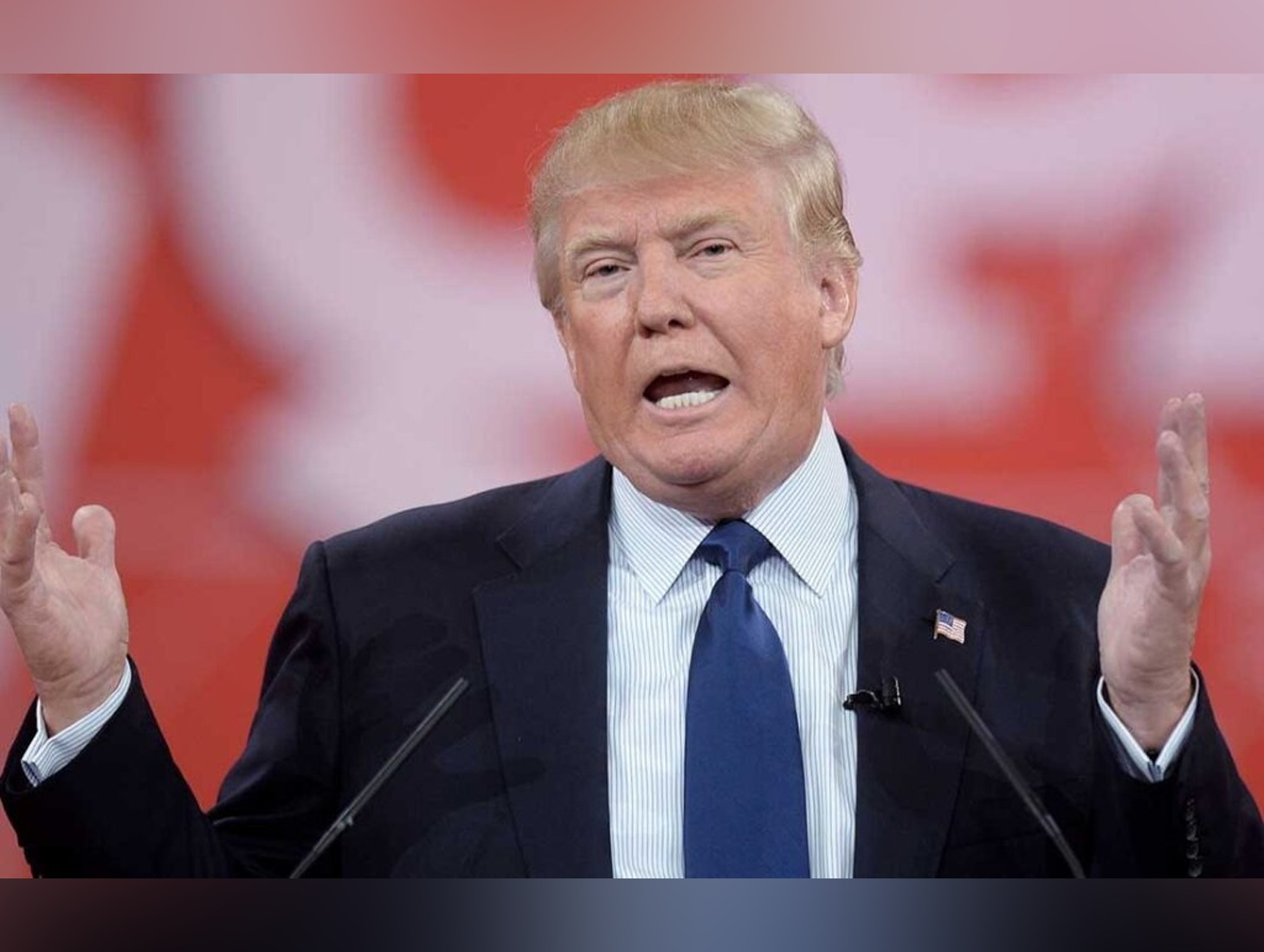
US President Donald Trump on Monday extended his deadline for Iran to reopen the Strait of Hormuz to international shipping, saying Washington would hold off on strikes against Iranian power plants for five days as talks continue. In a post on Truth Social, Trump said the United States and Iran had held “very good and productive conversations” and suggested the contacts could lead to “a complete and total resolution” of the conflict. He said discussions would continue “throughout the week” and added that the pause in any military action would depend on the outcome of the ongoing meetings.
The announcement came just hours before Trump’s self-imposed deadline was due to expire later in the day. Over the weekend, he had threatened to target Iran’s electricity infrastructure if Tehran did not reopen the crucial waterway, a move that risked escalating an already volatile regional conflict.
Shortly after Trump’s statement, Iranian state television aired a graphic declaring that the US president had “backed down” in the face of Tehran’s warning. However, Iran did not immediately confirm that any direct negotiations had taken place with Washington. Two news agencies close to Iran’s paramilitary Revolutionary Guard claimed no talks had occurred between the two sides.
Earlier in the day, Iranian Foreign Minister Abbas Araghchi said he had spoken by phone with Turkish Foreign Minister Hakan Fidan. Turkey has previously played an intermediary role in contacts between Tehran and Washington. The latest development came amid renewed military tensions in the Gulf. The United Arab Emirates said on Monday afternoon that its air defence systems were attempting to intercept fresh incoming Iranian fire.
Before Trump announced the delay, Iran had warned it could strike electricity plants across the Middle East and mine the Persian Gulf if the US followed through on its threat to bomb power stations in the Islamic Republic.
The conflict, now in its fourth week, has already triggered major disruption across the region. It has rattled the global economy, driven up oil prices and raised concerns over shipping and aviation safety in one of the world’s most strategically sensitive areas.
The Strait of Hormuz remains at the centre of the crisis, as a large share of the world’s oil and gas exports pass through the narrow maritime corridor. Any prolonged disruption there could have serious consequences for global energy supplies and regional stability.
Trump’s latest move may offer a brief diplomatic opening, but with threats still being traded and military activity continuing, the risk of a wider escalation remains high.