




The North News
New Delhi, March 23
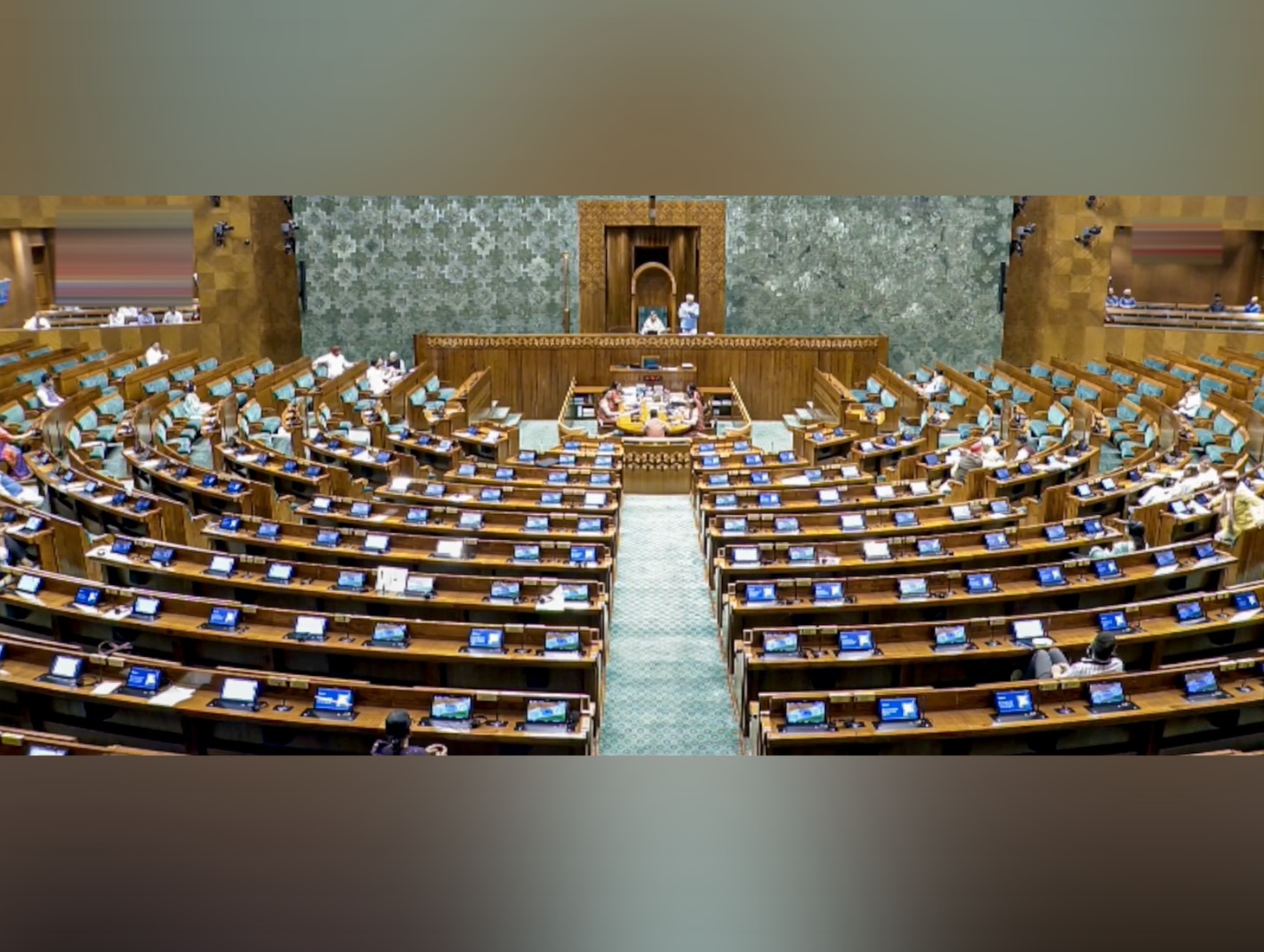
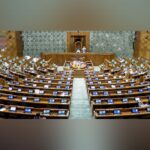
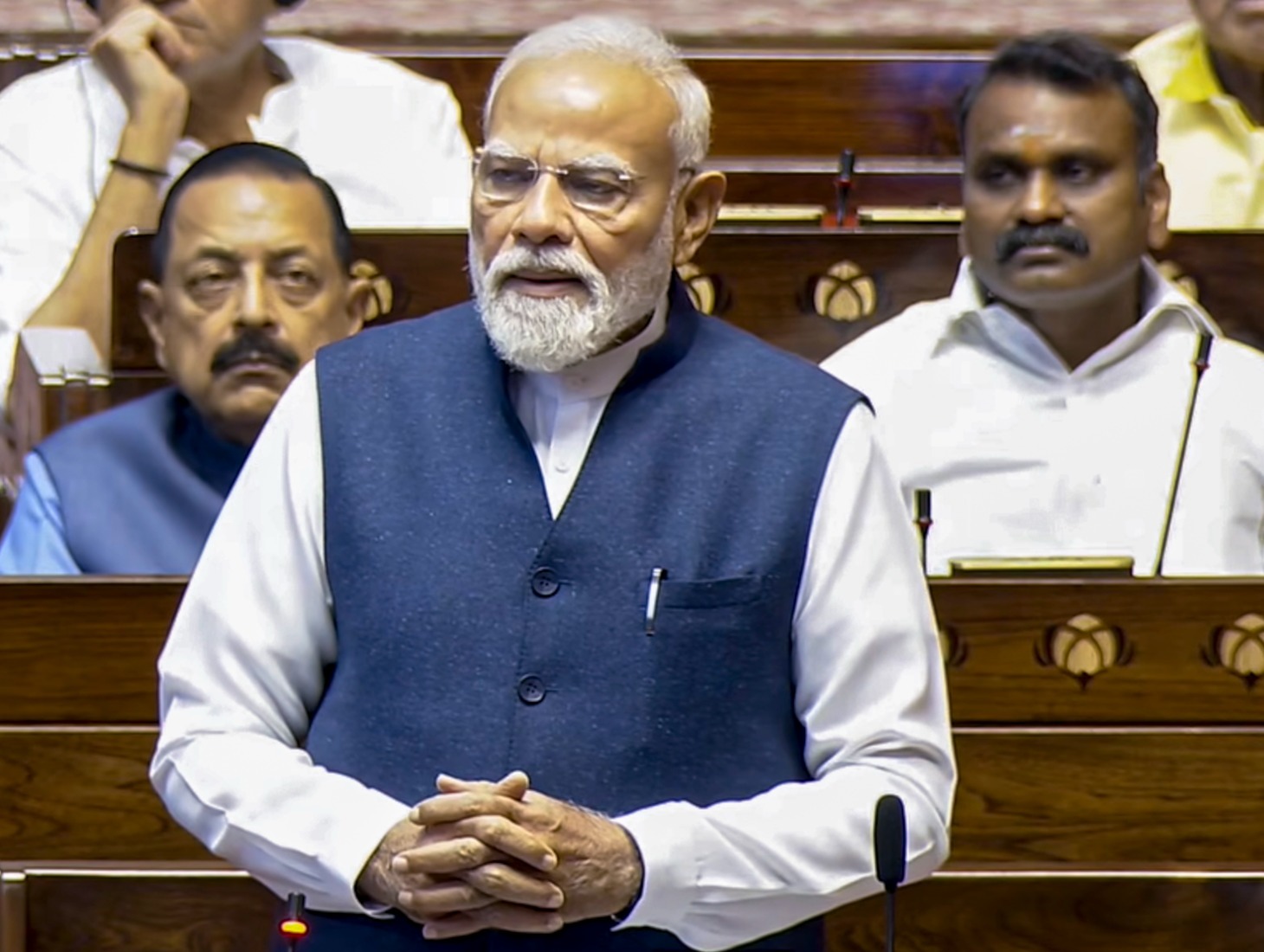
Prime Minister Narendra Modi has told Parliament that the ongoing conflict in West Asia poses serious economic, energy and security risks for India, warning that the crisis could continue for a long time. Addressing the Lok Sabha on Monday, Modi described the situation as deeply worrying, saying the conflict had lasted for more than three weeks and was having a severe impact on global markets and human lives. He said India’s concerns were particularly acute because of its trade links with the region, its dependence on West Asia for a significant share of crude oil and gas imports, and the presence of around 10 million Indians living and working in Gulf countries.
“The whole world is urging all parties for the earliest possible resolution of this crisis,” the Prime Minister said. Modi said the government had made the safety of Indian nationals its top priority and had activated a broad emergency response since the conflict began. He told MPs that Indian missions in the affected countries were issuing regular advisories and operating 24-hour control rooms and helplines, both overseas and in India.
According to the Prime Minister, more than 375,000 Indians have returned safely to India since the conflict began, including about 1,000 from Iran, more than 700 of them medical students. He also said some Indians had been injured and some had died in the conflict, adding that assistance was being provided to the injured and to bereaved families.
Modi said he had spoken in two rounds with most heads of state in West Asia, who had assured him of the safety of Indians in their countries.
On energy security, the Prime Minister said shipping through the Strait of Hormuz had become highly challenging since the war began, affecting the movement of crude oil, gas, fertilisers and other essential goods. He said the government had worked to keep supplies of petrol, diesel and cooking gas stable, including by prioritising domestic LPG use and increasing production.
Modi said India had reduced its exposure to regional disruptions by diversifying energy imports over the past decade, expanding sourcing from 27 countries to 41 countries.
He said India had also built up its strategic petroleum reserves, which now exceed 5.3 million metric tonnes, with further expansion under way.
The Prime Minister said the government was working with industry and global suppliers to ensure safe maritime routes and maintain the flow of essential imports. He added that several Indian-linked ships that had been delayed in the Strait of Hormuz had reached India in recent days.
Modi also highlighted steps taken in recent years to reduce dependence on imported fuel, including higher ethanol blending, rail electrification, the expansion of metro systems and the rollout of electric buses.
He said the government was monitoring the wider economic fallout through a daily inter-ministerial mechanism focused on import and export disruptions.
On agriculture, Modi said the government had made contingency plans for the kharif sowing season and was taking steps to protect fertiliser supplies, noting that domestic production of urea and other fertilisers had been expanded in recent years.
He also said power plants had adequate coal stocks despite rising summer demand, and pointed to growth in renewable energy, which he said now accounts for about half of India’s installed power generation capacity.
On diplomacy, the Prime Minister said India had consistently called for de-escalation and opposed attacks on civilians, commercial ships and critical energy and transport infrastructure.
He said India was continuing to engage with regional leaders and global partners to press for peace and secure shipping routes.
Modi also said all domestic law-and-order and security agencies had been placed on alert, with coastal, border, cyber and strategic security being strengthened in view of the conflict.
Concluding his address, the Prime Minister warned that the global impact of the war could persist and called for unity, restraint and vigilance, while urging state governments to act firmly against black-marketing, hoarding and misinformation.