






Chandigarh, April 10
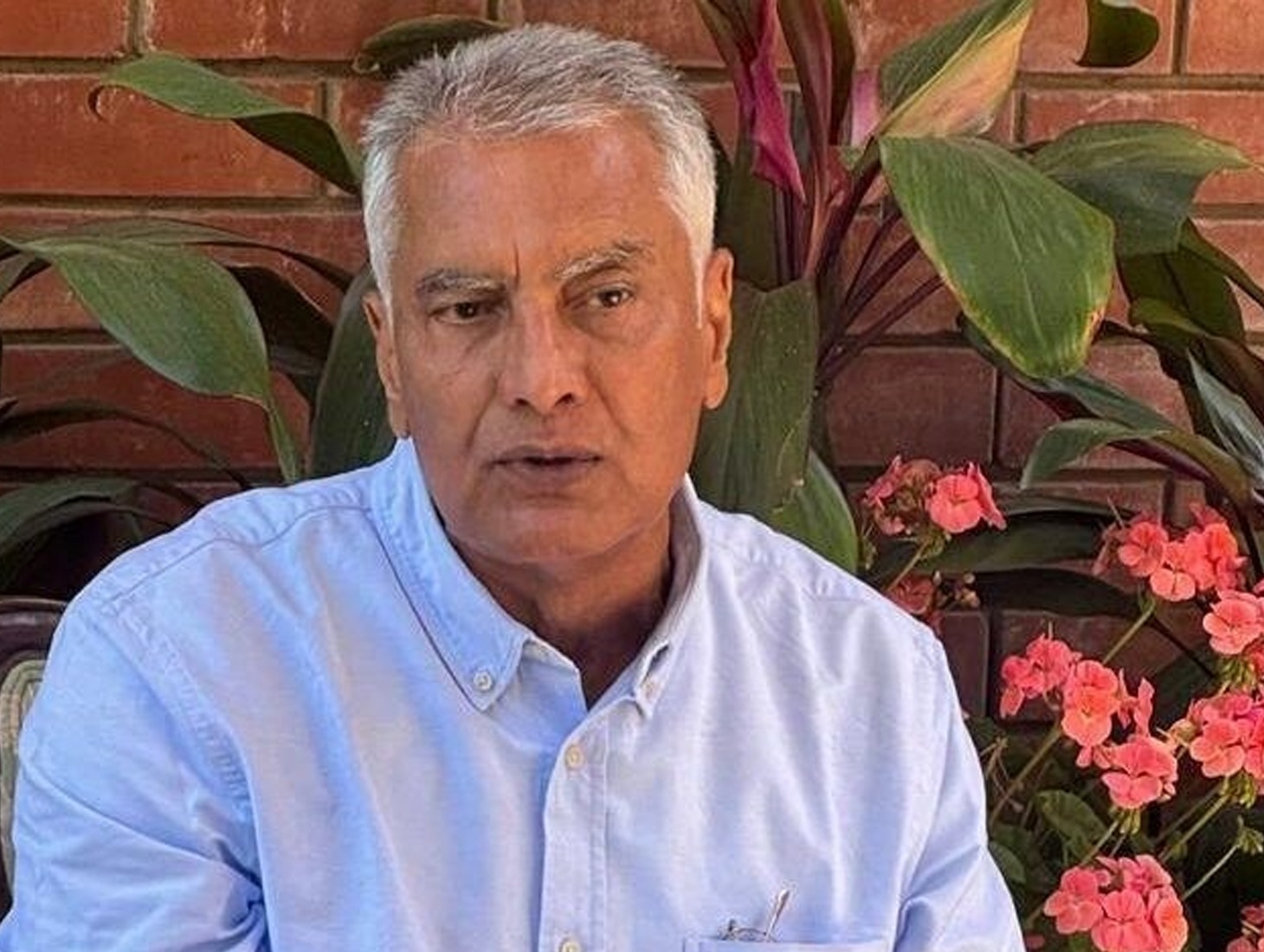
Punjab BJP president Sunil Jakhar on Thursday urged Chief Minister Bhagwant Mann to release the draft of the proposed amendments to the anti-sacrilege law and consult people, all political parties, and religious organizations before the bill is introduced in the assembly. The AAP government has called a special session of the Punjab Vidhan Sabha on April 13 to amend the Jagat Jot Sri Guru Granth Sahib Satkar Act, 2008.
The changes are meant to impose stricter punishment for sacrilege of the Guru Granth Sahib and other religious texts. In a letter to Mann, Jakhar said that because amendments to the 2008 Act are now under discussion, the draft should be shared in advance with recognized political parties, members of the legislative assembly, and religious institutions. He said this step would help bring wider public opinion into a serious, logical, and constitutional discussion on the sensitive matter. Jakhar stressed that the issue is not only legal but is also closely linked to religious faith and social sensitivities.
Further, the BJP leader pointed out that the Punjab Prevention of Offenses Against Holy Scriptures Bill, 2025, was introduced in the Punjab Legislative Assembly on July 14, 2025. According to him, the bill was later referred to a 15-member select committee headed by former minister and MLA Inderbir Singh Nijjar for detailed examination. He said the committee report should now be made public and copies given to political parties, legislators, and religious bodies.
Jakhar added that, as the Punjab government considers either a new law or amendments to the existing act on sacrilege cases it is essential to ensure transparency in the law-making process in view of the seriousness and sensitivity of the issue.
He said the views of the public, religious organizations, and all political stakeholders should be taken on board, while MLAs must be given full information to perform their constitutional role. In the letter, he wrote that in a responsible democratic system, it is the constitutional and moral duty to study any such sensitive bill thoroughly before deliberation. Therefore, the complete draft of the bill or the proposed amendments scheduled for introduction on April 13 must be made available in advance. The demand for openness ahead of the special session underscores the need for a broad consensus on legislation that deeply touches on religious sentiments in the state.