







The North News
Chandigarh, December 24
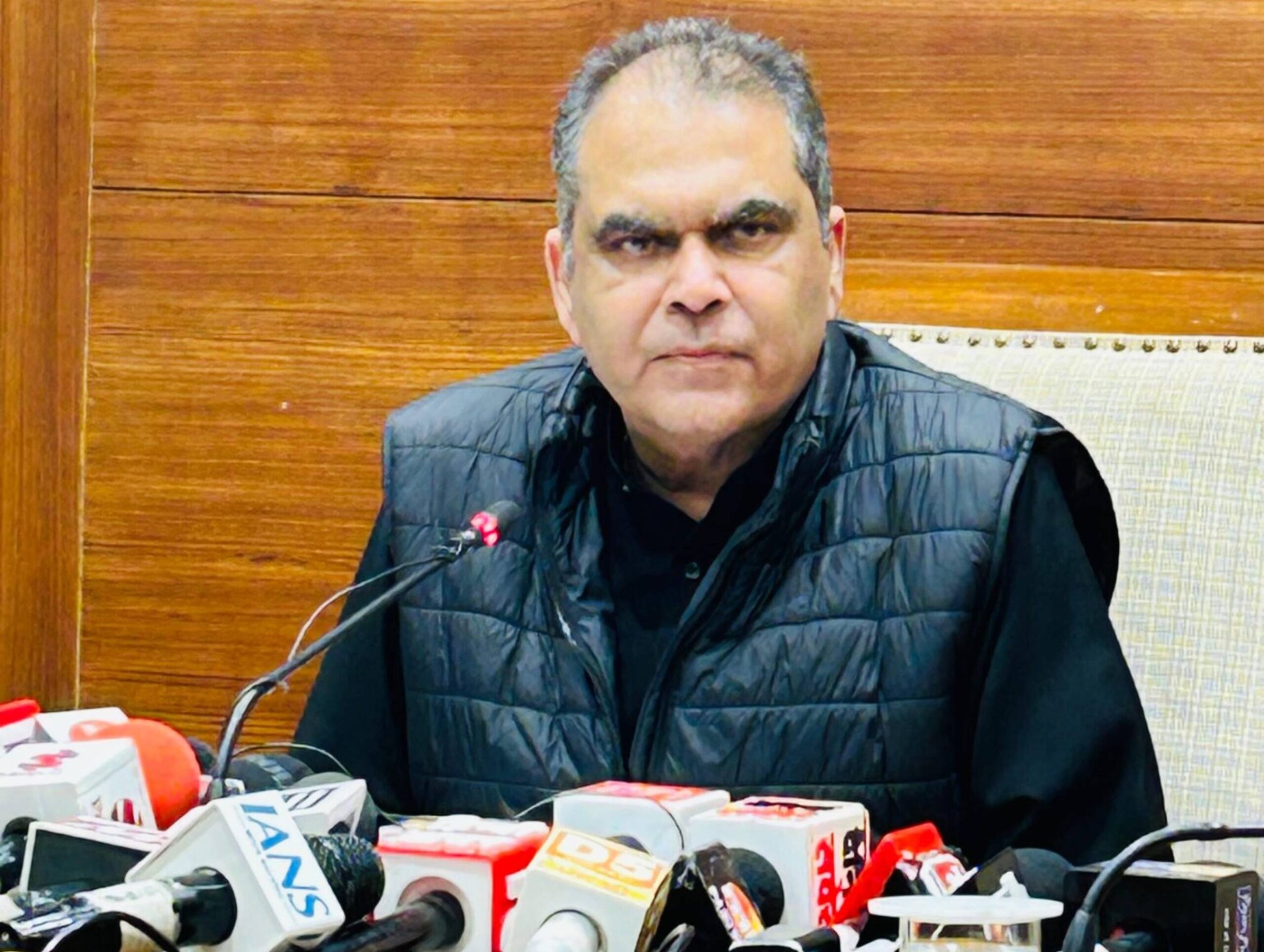
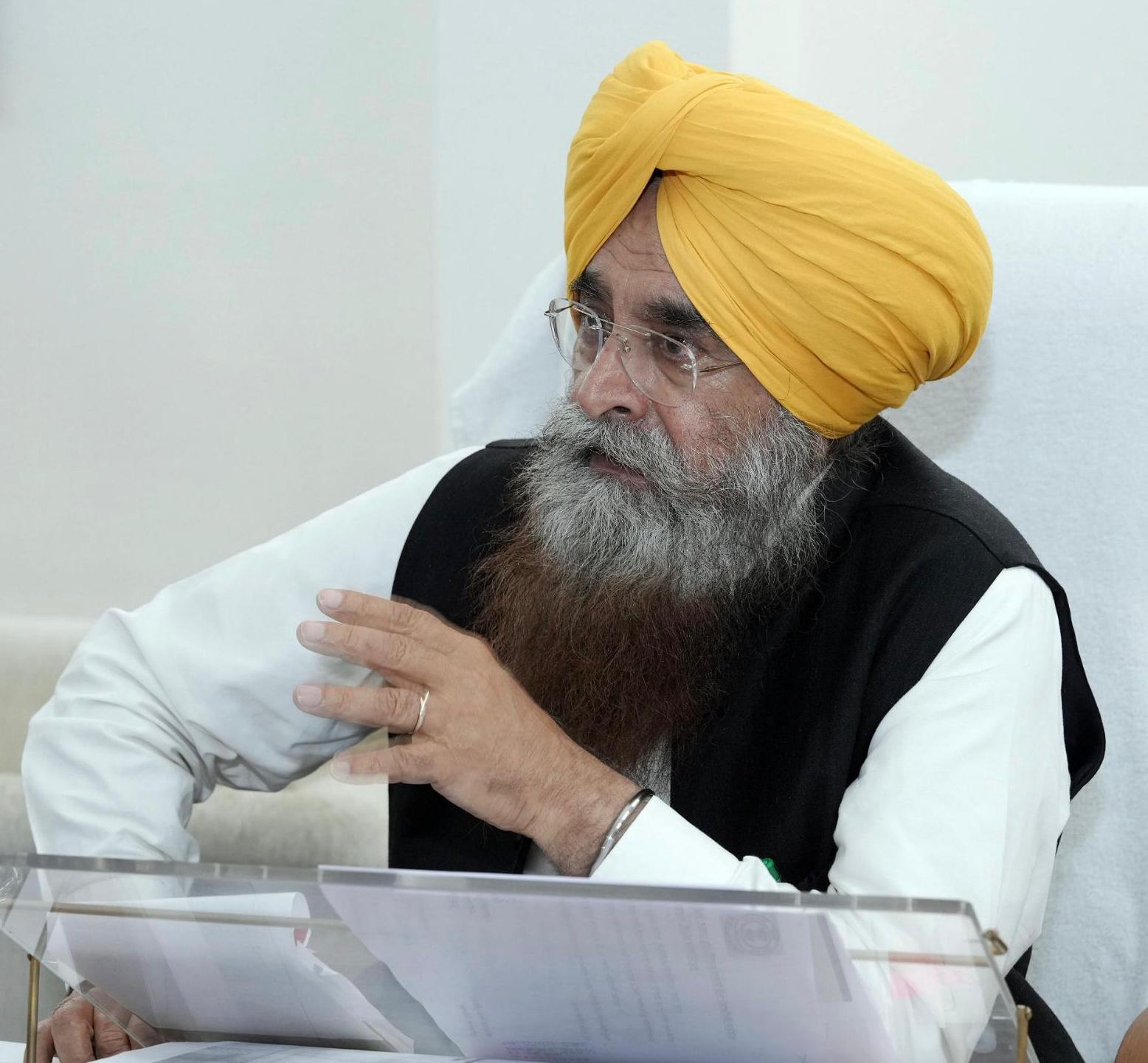
Punjab recorded a 53 percent fall in stubble-burning incidents during the latest Kharif season, marking one of the state’s most significant environmental gains of the year, Agriculture and Farmers Welfare Minister Gurmeet Singh Khudian said on Wednesday. Official figures show that cases dropped to 5,114 in 2025, down from 10,909 the previous year. The minister attributed the decline to sustained investment in crop residue management, including the distribution of more than 1.58 lakh subsidised machines since 2018. Over 16,000 sanction letters were issued to farmers this year alone.
As 2025 draws to a close, Khudian said Punjab’s farm sector has undergone a marked shift under initiatives led by Chief Minister Bhagwant Singh Mann, combining higher farmer incomes with measures aimed at long-term sustainability. Among the headline decisions was the announcement of the highest State Agreed Price (SAP) for sugarcane in the country, set at ₹416 per quintal—₹15 more than last year—placing Punjab’s cane growers at the top nationally in terms of remuneration.
The government has also pushed crop diversification. The area under cotton expanded by 20% to 1.19 lakh hectares, supported by a 33% subsidy on Punjab Agricultural University–recommended BT cotton seeds. More than 52,000 farmers registered online to access the benefit. The water conservation efforts gathered momentum through the promotion of Direct Seeding of Rice (DSR), with an incentive of ₹1,500 per acre. The area under DSR rose by 17%, from 2.53 lakh acres in 2024 to 2.96 lakh acres this year, a move officials say is crucial to arresting groundwater depletion.
Basmati cultivation also edged up, reaching 6.90 lakh hectares compared with 6.81 lakh hectares last year, reflecting steady demand in domestic and export markets. In an effort to reduce dependence on paddy, the state launched a pilot project in six districts—Bathinda, Sangrur, Gurdaspur, Jalandhar, Kapurthala and Pathankot—encouraging farmers to switch to Kharif maize. More than 11,000 acres were brought under maize with an incentive of ₹17,500 per hectare, supplemented by additional input support under the Rashtriya Krishi Vikas Yojana.
“Our focus has been to empower farmers while protecting the environment,” Khudian said. “From cotton seed subsidies to DSR and crop diversification, these schemes have delivered real change. We head into 2026 with a renewed emphasis on innovation and eco-friendly farming.”