







Shimona Sharma
The North News
Chandigarh, May 22
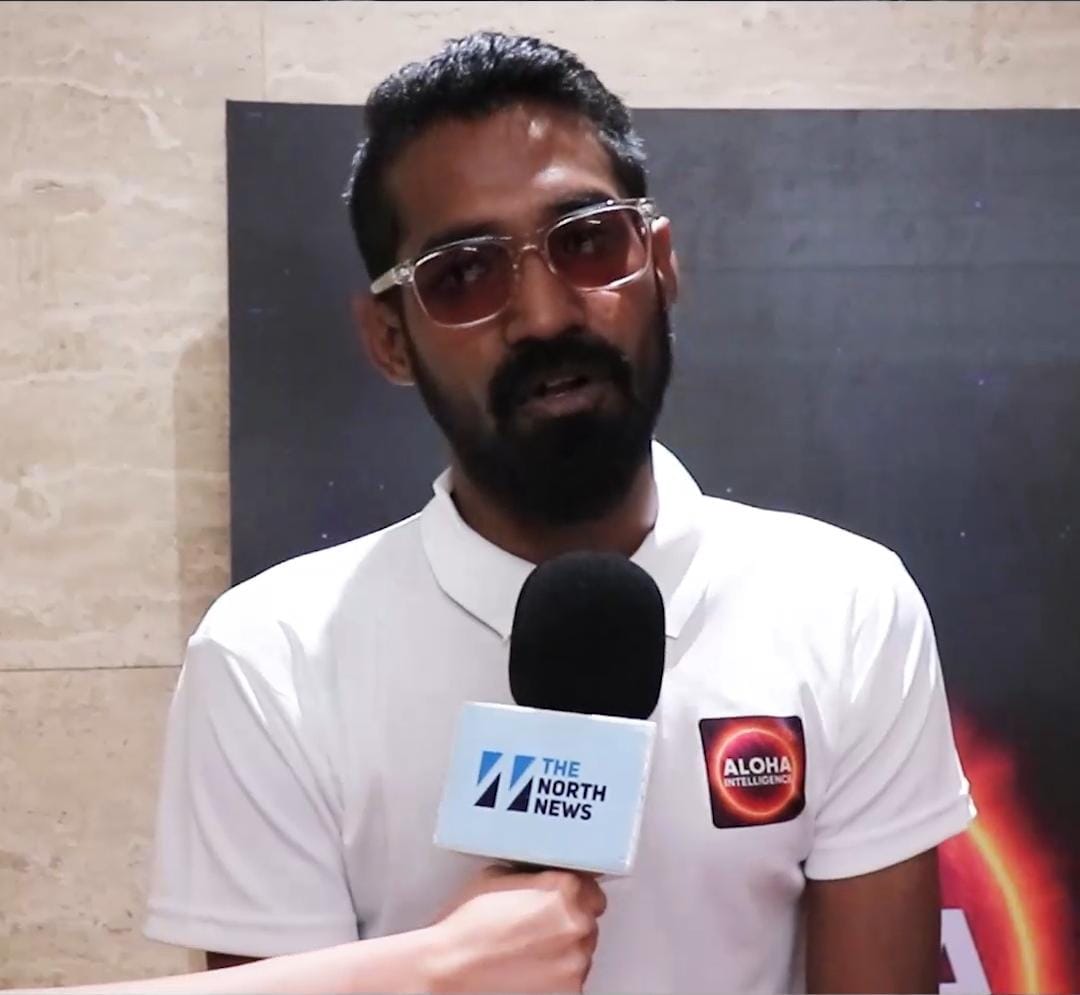
Sidhant Bansal never trained as a computer scientist. In fact, when he began his career in 2015, he held a Bachelor of Arts degree and little knowledge of software engineering. A decade on, however, he stands at the forefront of a quiet revolution in automation—one built not on artificial intelligence, but something he calls Natural Intelligence.
Bansal’s breakthrough came with the development of a tool that can automatically generate PDF documents without human intervention, designed to support overburdened students and professionals. The software, hailed by peers and clients as the first of its kind, marks a subtle but significant shift in how humans interact with technology—not through complex code or expensive platforms, but through intuitive design and accessibility.
At the heart of Bansal’s innovation is Aloha Intelligence, a platform he founded to democratize automation. For just ₹4–₹5, users can receive help with assignments. At ₹10, they can access professional services such as accounting and document automation—services typically out of reach for many small businesses and independent workers.
“Aloha Intelligence is about removing friction,” said Bansal told The North News . “Technology should serve people, not the other way around,” he added.
Bansal’s philosophy leans less on machine learning and more on empathetic design. It’s a people-first model, echoed by the work of Aloha Studio, a sister venture employing 127 specialists who ensure that human oversight complements technological assistance.
His approach has earned him awards and international recognition, but it is the impact on everyday users that Bansal values most. From students in rural towns to freelancers in urban India, his tools are quietly changing how people work, study, and access information.
In a digital age shaped by algorithms and high-cost software, Sidhant Bansal’s rise from arts graduate to automation innovator offers a rare reminder: sometimes, it’s not artificial intelligence, but natural intelligence, that reshapes the future.