







New Delhi, March 11
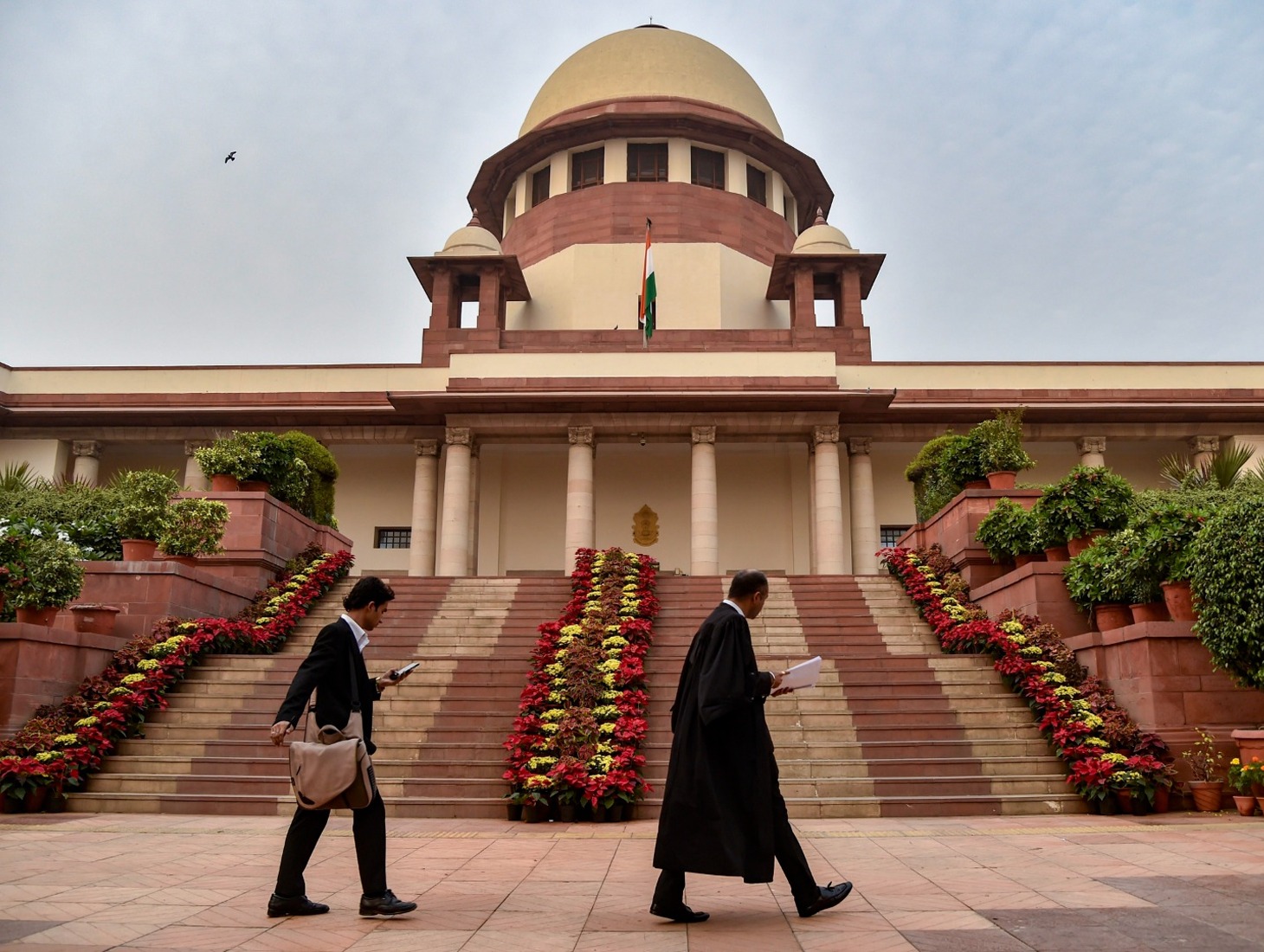
In a landmark order, the Supreme Court of India on Wednesday permitted the withdrawal of artificial life support for a 32-year-old man who has remained in a coma for more than 12 years, marking the court’s first such ruling allowing passive euthanasia in a specific case.
Passive euthanasia involves intentionally allowing a patient to die by withholding or withdrawing medical treatment or life-support systems required to keep them alive.
The patient, Harish Rana from Ghaziabad, was a student at Panjab University when he suffered severe head injuries after falling from the fourth floor of his paying guest accommodation in 2013. He has remained in a comatose state since the accident.
On Wednesday, a bench of Justices J B Pardiwala and K V Viswanathan directed AIIMS-Delhi to grant admission in palliative care to Rana so that the medical treatment can be withdrawn. It must be ensured that it is withdrawn with a tailored plan so that dignity is maintained, the bench said.
The order allowing passive euthanasia is in terms of its 2018 Common Cause judgment, which was modified in 2023, recognising the fundamental right to die with dignity.
In the 2018 judgement, a constitution bench had recognised passive euthanasia and the right to die with dignity as a fundamental right under Article 21. The court had held that passive euthanasia could be carried out using “Advance Medical Directives”.
On January 24, 2023, a five-judge Constitution Bench modified the 2018 Euthanasia Guidelines to ease the process of granting passive euthanasia to terminally ill patients.
Hearing the writ petition of Rana’s family, the top court had earlier expressed its desire to meet the parents of the 32-year-old man. It had perused a report on Rana’s medical history filed by a secondary medical board of doctors from the AIIMS-Delhi and remarked that it was a “sad” report.
The primary medical board, upon examining the patient’s condition, had stressed the negligible chance of his recovery.
The top court, on December 11, noted that according to the report of the primary medical board, the man is in a “pathetic condition”.
According to the guidelines issued by the apex court in 2023, a primary and a secondary medical board will have to be formed for an expert opinion on the withdrawal of artificial life support for a patient in a vegetative state.