








The North News
Chandigarh, December 16
Punjab’s law-and-order crisis is no longer a matter of perception or political sparring; it is a lived reality, written in blood across its streets. The killing of a 30-year-old kabaddi player in Mohali on Monday was not just another crime statistic — it was a chilling demonstration of how brazen, theatrical and unchecked gang violence in the state has become.
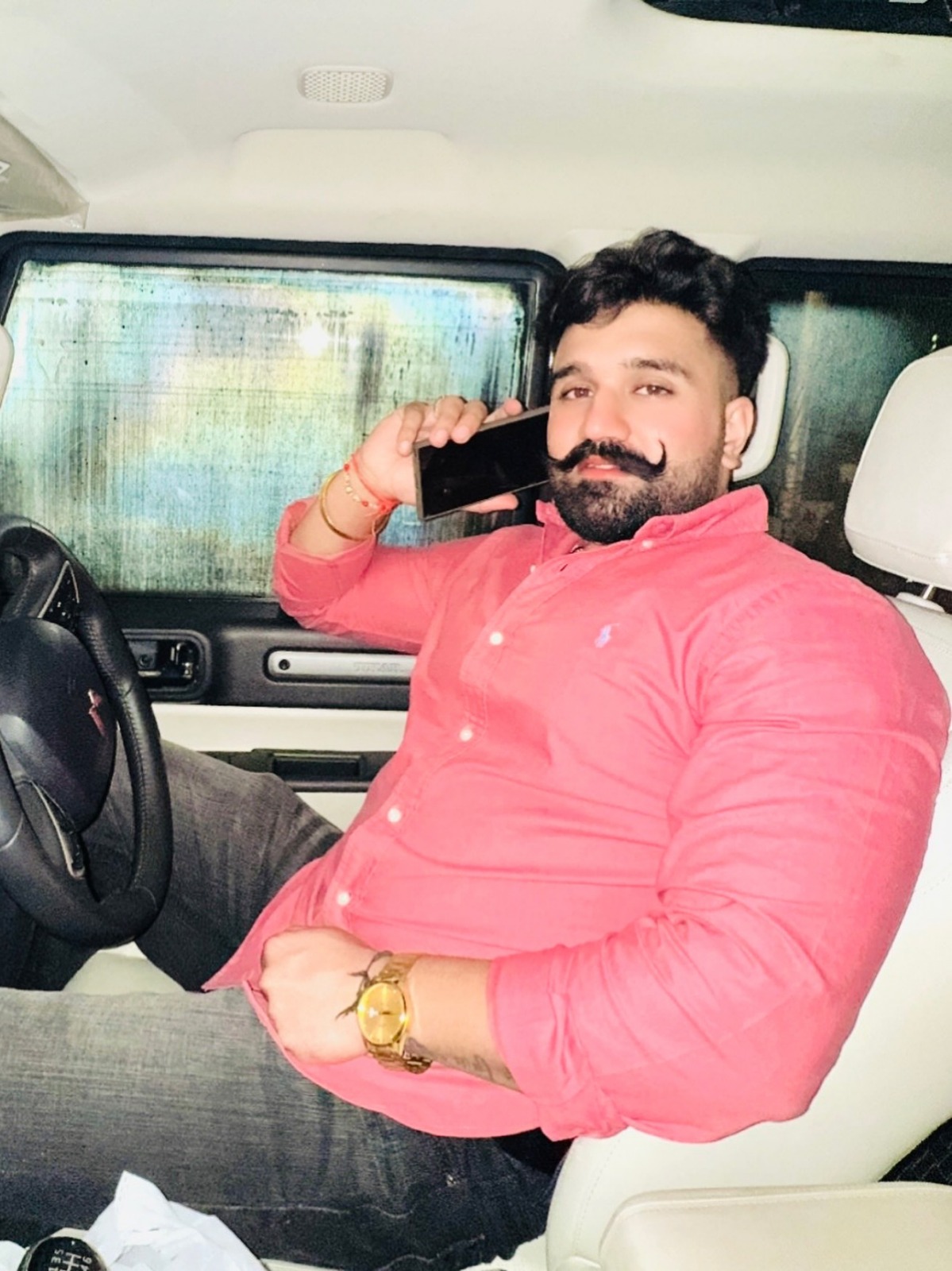
Kanwar Digvijay Singh, known as Rana Balachauria, was shot dead moments after posing for a selfie, as he walked out of a sporting venue with his team. The casual cruelty of the act — a bullet fired after a smile for the camera — exposes a deeper truth: gangs in Punjab are no longer hiding in the shadows. They are performing violence, confident that fear will travel faster than the police.
What followed was equally disturbing. A social media post, attributed to the Gopi Ghanshampur gang, claimed the murder as an act of “revenge” for the killing of Punjabi singer Sidhu Moosewala in 2022. Whether authentic or not, the post served its purpose. It turned murder into messaging, crime into content — and law enforcement into a reactive spectator. Police have said they are verifying the claim. No arrests have been made.
This was not an isolated incident. Only days earlier, a gangster allegedly linked to Goldy Brar was gunned down in a meticulously planned attack near Chandigarh’s Sector 26 timber market. Eleven bullets were fired, some from inside the car, others from outside — a professional hit carried out in a busy urban stretch. The victim, out on bail despite multiple cases, was dead before the system could catch up. Soon after, another video surfaced online, this time with counter-allegations and threats — yet again turning social media into a parallel crime scene.
These killings follow a grim pattern. The real power — the gang leaders — remains untouched, often operating from abroad. Pakistan, Canada, Australia, Malaysia: the geography of Punjab’s gang wars now stretches far beyond the state’s borders. From there, crime is coordinated with chilling ease, aided by encrypted platforms and contacts inside Indian jails.
This raises an uncomfortable question the state can no longer dodge: how do these networks function with such confidence, visibility and apparent immunity? Gangs issue open threats, claim murders publicly and fuel fear without consequence. The suspicion of political patronage — whispered for years — now demands serious scrutiny. In a functioning democracy, criminal organisations do not thrive so openly without protection, neglect or complicity.
Punjab Police’s repeated focus on foot soldiers and “associates” offers optics, not solutions. Arrests at the periphery cannot substitute for dismantling the command structure. The failure to neutralise gang leadership, disrupt overseas coordination, and break the nexus between crime, politics and prisons has allowed violence to metastasise.
The murder of a newly married sportsperson should have jolted the system. Instead, it has become another chapter in a growing catalogue of killings that signal a state losing control of its streets. Law and order is not merely about maintaining peace; it is about restoring public confidence. Right now, that confidence is bleeding away.
Punjab does not need more statements. It needs decisive action — intelligence-led policing, accountability within the system, and the political will to confront the uncomfortable truths behind the gangland surge. Until then, every gunshot will echo the same question: who really governs Punjab’s streets?