








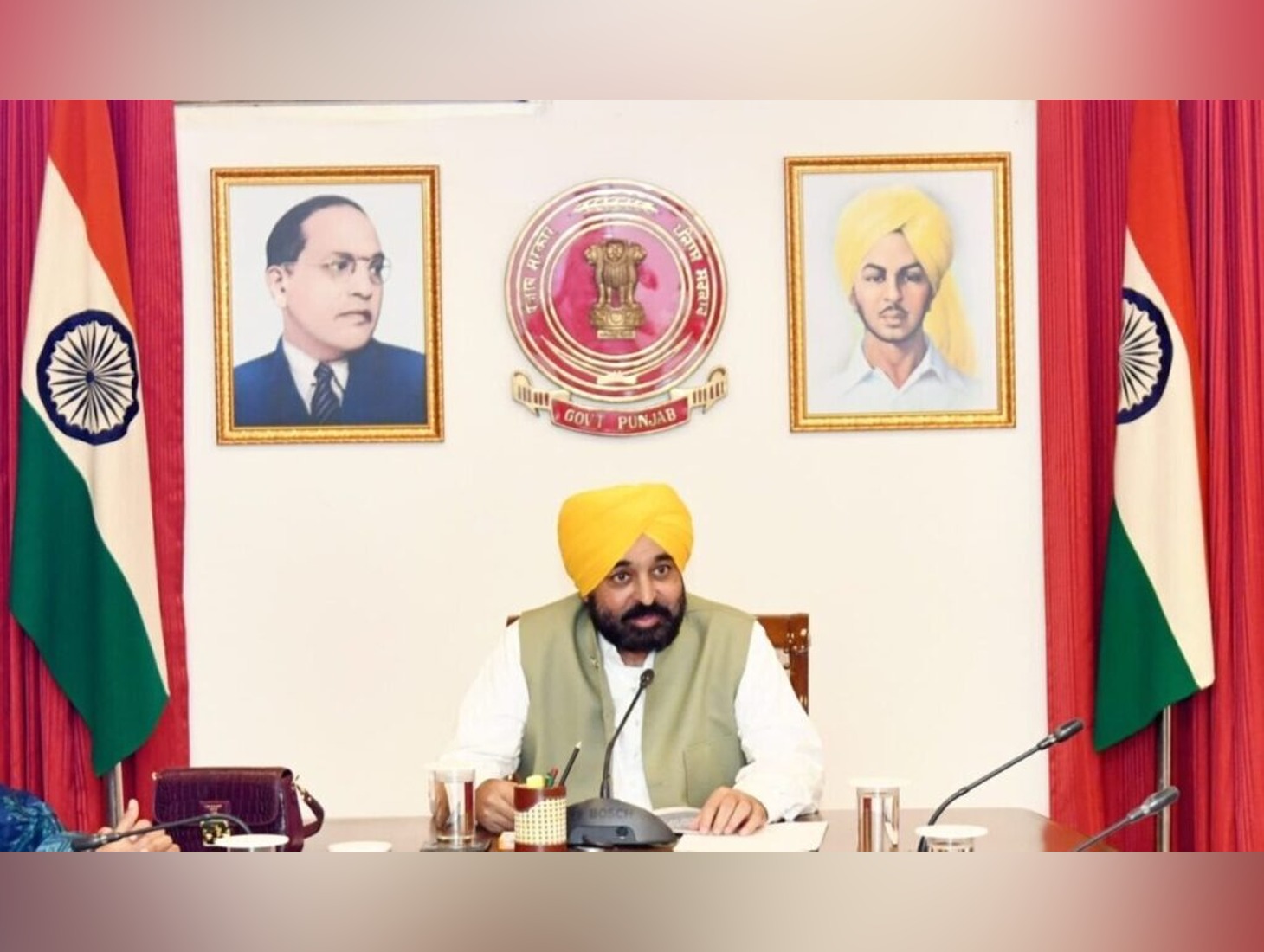
Chandigarh, April 4
The Punjab government formally notified the Mukhya Mantri Mawan Dhiyan Satkar Yojana on April 2 a scheme that will send monthly cash directly to eligible women across the state.
General beneficiaries will receive 1000 rupees every month. Women from Scheduled Caste communities will receive fifteen hundred. The money will land in Aadhaar-linked bank accounts, bypassing the local officials and intermediaries who have historically made such transfers unreliable.
The scheme was a central commitment of the Aam Aadmi Party going into the 2022 assembly elections. Three years later, the notification is finally in place.
The gap between promise and paperwork is a familiar story in Indian politics. What happens next — how fast registration moves, how quickly accounts are credited — will determine whether this scheme becomes a genuine lifeline or another well-intentioned policy that loses its way between announcement and implementation.
The eligibility criteria are deliberately broad. Any woman aged eighteen or above, registered as a voter in Punjab and holding a valid Aadhaar card, can apply. There is no cap on the number of women from a single household — sisters, mothers and daughters living under the same roof can each register independently.
Women who already receive state social security pensions will not have to choose. The scheme sits on top of existing support, not instead of it.
Registration is free. The government has been explicit on this point — no fee will be collected at any designated centre. In a country where unofficial charges have a way of appearing at precisely the moments they should not, that assurance will need active enforcement.
The exclusions are equally clear. Government employees — whether state, central or from public sector bodies — are not eligible. Neither are serving or former ministers, lawmakers or members of parliament, along with their spouses. Women who paid income tax in the previous financial year are also excluded.
The net, in other words, is cast wide for those who need it most and deliberately narrow for those who do not.
Administering a scheme of this scale across an entire state is not straightforward. The Department of Social Security and Women and Child Development will oversee operations. A high-level committee will decide the schedule and frequency of payments — details that matter enormously to a household that is counting on a specific date.
Any change to the payment mechanism requires the Chief Minister’s personal approval, a safeguard designed to prevent the kind of bureaucratic drift that quietly erodes welfare schemes over time.
Whether these structures hold under real-world pressure — of data errors, mismatched Aadhaar records, connectivity gaps in rural areas — is the question that every such scheme eventually faces.