









The North News
New Delhi, July 25
Agriculture-heavy states such as Punjab, Haryana, Jammu and Kashmir, and Uttarakhand — known for cultivating basmati rice, millets, and vegetables — are expected to emerge as the biggest beneficiaries of the India–UK Comprehensive Economic and Trade Agreement (CETA), with exporters in these regions likely to gain higher margins and improved access to British markets due to the elimination of trade barriers.
The deal, described by officials as historic, eliminates tariffs on 99% of Indian exports to Britain. It represents a strategic move by both countries to deepen economic ties and tap into complementary strengths — particularly in food production, textiles, and consumer goods.
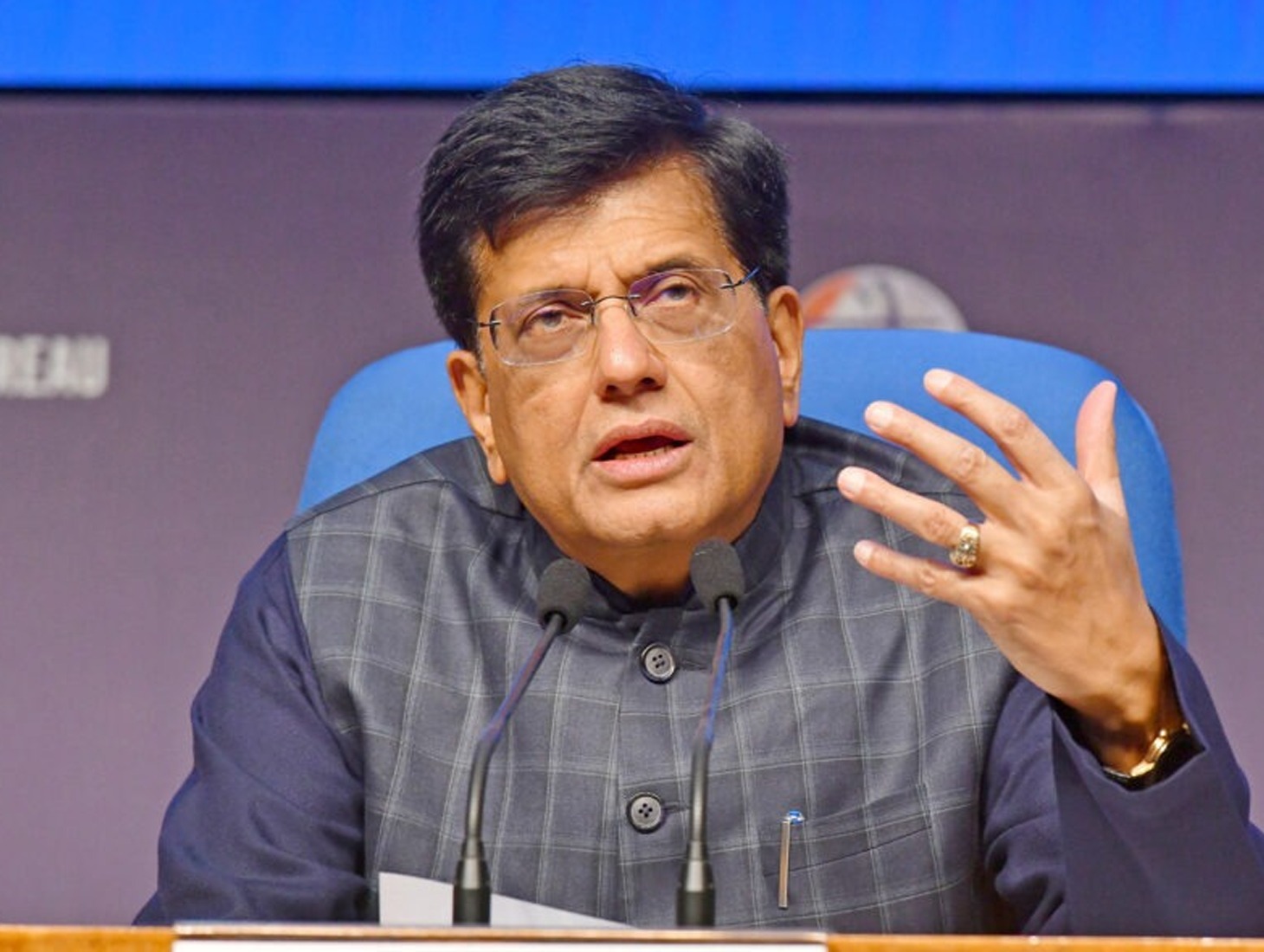
India and the United Kingdom have signed a landmark Comprehensive Economic and Trade Agreement (CETA), marking a significant advancement in bilateral economic relations on Thursday. The agreement was formally signed by Commerce and Industry Minister, Piyush Goyal, and the UK’s Secretary of State for Business and Trade, Jonathan Reynolds. The signing ceremony was witnessed by Indian Prime Minister Narendra Modi and UK Prime Minister Keir Starmer, underscoring the political commitment at the highest level.
Among the biggest winners are food processors and agribusinesses. Tariffs that once reached 70% on items like fruit juices, jams, sauces, canned fruits, processed vegetables, milk products, and non-alcoholic beverages have now been cut to zero. For India’s food processing sector, which has long sought easier market access in Europe, the agreement marks a major breakthrough.
India, the world’s largest consumer of Scotch whisky, is also expected to see cheaper imports from the UK. Over 192 million bottles of Scotch were imported by India in 2024, and with import duties now reduced, demand could surge further.
The textiles and garment industry — a cornerstone of India’s labour-intensive manufacturing — is also set to benefit significantly. British import duties of up to 12 percent on Indian apparel have been abolished, giving Indian exporters an edge over regional competitors such as Bangladesh and Vietnam.
The leather and footwear sectors, previously taxed at 16%, will now enjoy duty-free access to the UK. Industry hubs in northern India and Tamil Nadu stand to gain from the cost advantage and increased competitiveness. Jewellery, sports goods, and furniture, earlier subject to 4% duties, will now enter Britain duty-free — a move welcomed by India’s vast network of small manufacturers and artisans.
Additionally, processed meats, dairy, tea, coffee, spices, grains, edible oils, and marine products — previously taxed between 10% and 20% — will now face no tariffs. Industrial exports such as plastics, chemicals, and electrical components will also be covered under the zero-duty regime.
The agreement is expected to not only stimulate Indian exports and enhance MSME competitiveness but also deepen the UK’s engagement with a critical Indo-Pacific trading partner. As India positions itself as a global manufacturing and agricultural hub, the CETA deal could provide the momentum needed for sustainable, inclusive export-led growth.