








The North News
Chandigarh, March 30
Punjab’s Finance Minister Harpal Singh Cheema said on Monday that the state had uncovered an alleged tax evasion racket worth around ₹200 crore in the hospitality sector, as the government stepped up a data-driven crackdown on under-reporting by restaurants, dhabas and other food businesses.
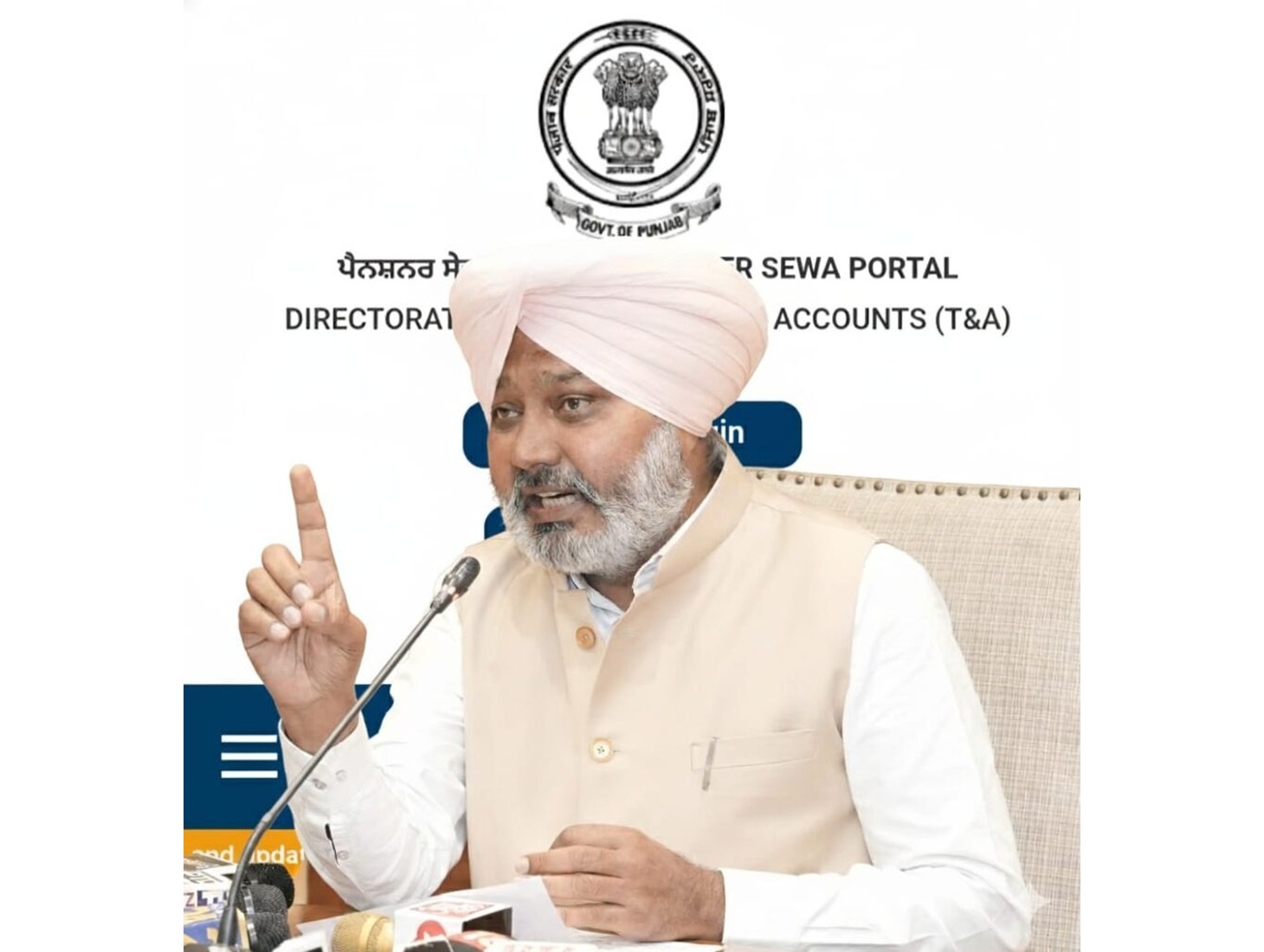
Addressing a press conference at Punjab Bhawan, Cheema said the Bhagwant Mann government had identified 882 establishments in a statewide enforcement exercise covering hotels, dhabas, bakeries, sweet shops, eateries, restaurants and catering services for the 2025–26 financial year.
He said the preliminary inquiry had so far examined 239 cases and detected turnover suppression of about ₹50 crore. According to the minister, this translated into a tax liability of ₹2.54 crore at the 5% rate, of which ₹2.02 crore had already been recovered.
Cheema said the scale of the suspected evasion could rise sharply as the investigation widens. He said with analysis of data from the 2023–24 and 2024–25 financial years, the total amount of evasion could increase to nearly ₹500 crore.
The minister said three taxpayers had allegedly suppressed turnover by more than ₹2 crore each, while six had discrepancies above ₹1 crore. He added that 18 cases involved suppression of more than ₹50 lakh, 26 exceeded ₹25 lakh, and 91 showed gaps above ₹5 lakh.
Cheema said dhabas accounted for around ₹10 crore of the detected suppression, followed by small eateries, coffee and tea bars at about ₹8 crore, and pizza and fast-food outlets at more than ₹6 crore.
He identified Mohali as the district with the highest detected suppression at ₹8.16 crore, followed by Jalandhar at ₹6.72 crore and Ludhiana at ₹5.48 crore. Patiala and Amritsar, he said, showed comparatively lower discrepancies.
Explaining the probe, Cheema said officials had used data analytics, risk parameters and comparisons with GST returns to identify possible under-reporting. He said the department had also sought transaction details from online billing platforms and would now deepen scrutiny using UPI data and other digital payment trails.
The minister credited the Tax Intelligence Unit, the State Investigation and Preventive Unit and the government’s “Bill Liyao, Inam Pao” scheme for helping detect the alleged evasion.
He said no discrepancies had been found in 52 establishments, describing it as evidence of “balanced enforcement” based on data-led verification.
Cheema said the remaining cases were still under active scrutiny and that the full exercise of verification and recovery was expected to be completed within a month.
Warning businesses against tax evasion, he said the Punjab government would use technology and coordinated enforcement to protect state revenue, adding that strict action would be taken against violators while compliant taxpayers would continue to be supported.